
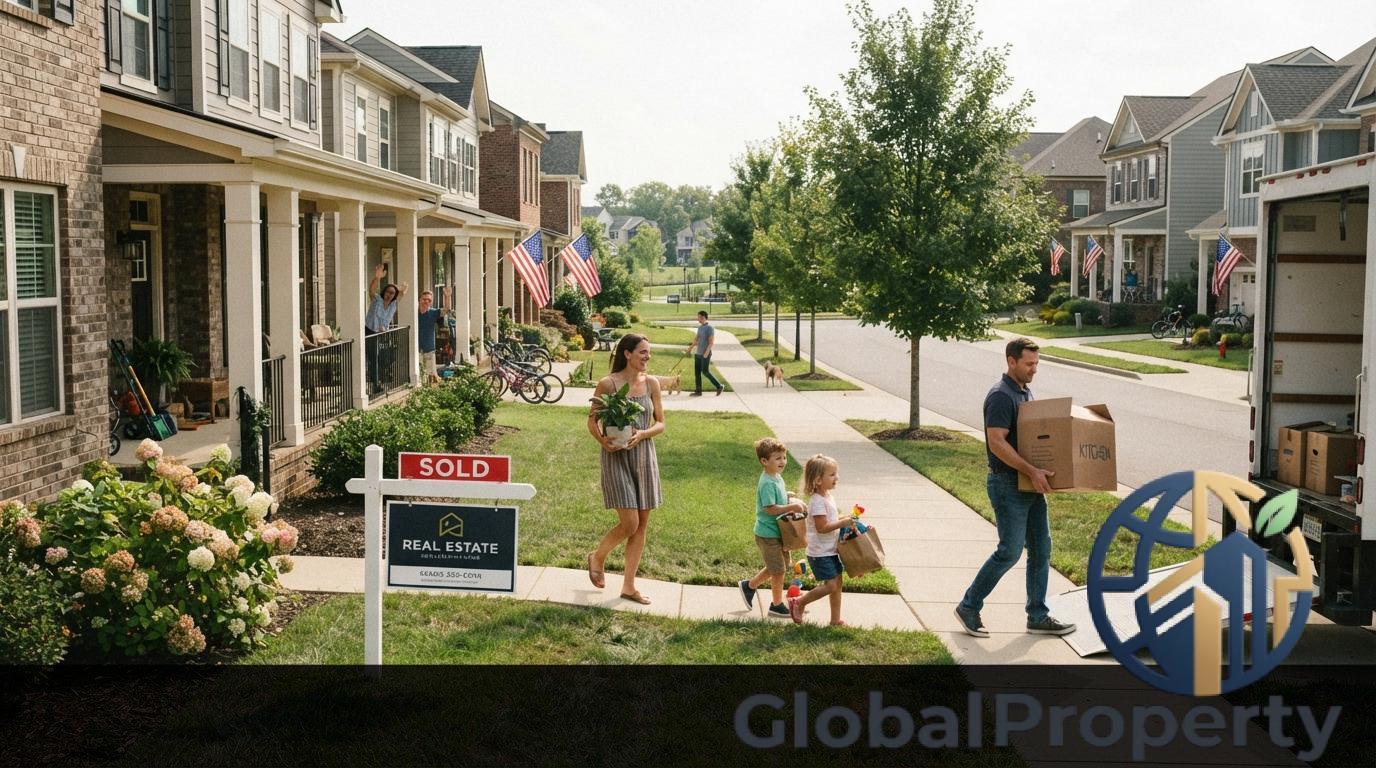
Are you feeling the urge to escape the confines of city living post-pandemic? The surge in suburban migration is reshaping residential preferences, prompting individuals and families to seek refuge in more spacious and serene environments. The core problem many face is the desire for a better quality of life, away from the hustle and bustle of urban centers, as they reevaluate their priorities and long-term goals.
Imagine the daily grind of city life weighing you down, with cramped living spaces, noisy neighbors, and limited access to nature taking a toll on your well-being. The frustration of not having enough room to breathe, relax, and unwind after a hectic day can lead to increased stress levels and a sense of disconnection from the environment around you. As the effects of the pandemic linger, the need for a change in scenery becomes more pressing than ever.
But fear not, as there is a solution on the horizon for those seeking a fresh start in the suburbs. Discover how embracing this shift in residential preferences can not only provide you with a peaceful sanctuary to call home but also offer a multitude of benefits for your physical and mental health. Join us on this insightful journey as we explore the reasons behind the suburban migration trend and uncover the key factors influencing this post-pandemic housing evolution. Let’s delve into the transformative power of choosing a lifestyle that prioritizes space, nature, and community, paving the way for a brighter and more fulfilling future.
Factors Influencing Suburban Migration
Population Density: One of the key factors influencing suburban migration is population density in urban areas. As cities become more crowded and congested, individuals and families often seek the spaciousness and tranquility that suburban living can offer. The desire for a quieter, more peaceful environment away from the hustle and bustle of city life is a significant driver of migration to the suburbs.
Housing Affordability: Affordability plays a crucial role in suburban migration trends. The rising cost of living in urban centers, including skyrocketing property prices and rental rates, pushes many people to look for more affordable housing options in the suburbs. Lower housing costs in suburban areas, coupled with the potential for larger living spaces, attract individuals and families seeking a better quality of life without breaking the bank.
Impact of the Pandemic on Residential Preferences
Remote Work: The shift to remote work brought about by the pandemic has significantly impacted residential preferences and contributed to the rise in suburban migration. With more people working from home, the need to be close to city centers for daily commutes has diminished. Suburban areas with more space, greenery, and a quieter atmosphere have become increasingly appealing as individuals prioritize home offices and outdoor living spaces.
Health and Safety Concerns: The pandemic has also heightened health and safety concerns, prompting individuals to seek residential environments that offer a greater sense of security and distance from densely populated areas. Suburbs, with their lower population densities and perceived lower risk of virus transmission, have become a preferred choice for those looking to prioritize their health and well-being in the wake of the pandemic.
Impact of the Pandemic on Residential Preferences
The COVID-19 pandemic has significantly altered residential preferences and accelerated suburban migration trends. With remote work becoming the new norm for many professionals, individuals and families are seeking larger, more affordable homes outside of crowded urban centers. The desire for more space, access to outdoor areas, and a sense of community has driven a surge in demand for suburban properties.
Shift towards Home Offices
One of the key impacts of the pandemic on residential preferences is the increased importance of home offices. As remote work continues to be prevalent, homebuyers are prioritizing properties that offer dedicated workspace. This has led to a rise in demand for homes with extra rooms or converted spaces that can be used as offices. Suburban areas are becoming attractive options for those looking to create a comfortable and productive work-from-home environment.

Case Studies of Suburban Migration Trends
Examining case studies of suburban migration trends provides valuable insights into the factors driving people to move from urban to suburban areas. By analyzing specific examples, we can identify common patterns and understand the motivations behind these migration trends. Case studies offer real-world examples of how demographic shifts, economic conditions, and lifestyle preferences influence individuals and families to choose suburban living over city life. These studies help urban planners, policymakers, and real estate developers anticipate future trends and tailor their strategies to meet the evolving needs of suburban populations.
Economic Implications of Suburban Migration
The economic implications of suburban migration are multifaceted and have far-reaching effects on local economies. As more people choose to move to suburban areas, there is a shift in demand for housing, infrastructure, and services. This influx of residents can stimulate economic growth in suburban communities, leading to increased job opportunities, higher property values, and expanded commercial development. On the other hand, suburban migration can also strain resources and infrastructure, requiring local governments to invest in transportation, schools, and utilities to support the growing population. Understanding the economic impact of suburban migration is crucial for policymakers and businesses to make informed decisions that promote sustainable growth and prosperity.
5. Economic Implications of Suburban Migration
Suburban migration carries significant economic implications that impact various sectors of the economy. As more people move to suburban areas, there is a surge in demand for housing, infrastructure development, and services. This increased demand can lead to economic growth in suburban regions as businesses expand to cater to the growing population. Additionally, property values in suburban areas may experience appreciation, providing homeowners with potential wealth accumulation.
On the flip side, urban areas may face challenges such as declining property values and a shrinking tax base as people migrate to the suburbs. Local governments may need to reassess their budget allocations and urban planning strategies to adapt to changing demographics. Understanding and analyzing the economic implications of suburban migration is crucial for policymakers, businesses, and residents to make informed decisions regarding investment, development, and sustainability.
6. Sustainability Considerations in Suburban Migration
Suburban migration presents both challenges and opportunities in terms of sustainability. As more people move to suburban areas, there is a growing need to ensure that development is done in an environmentally conscious manner. This includes considerations such as preserving green spaces, promoting energy-efficient building practices, and enhancing public transportation options to reduce reliance on cars.
Furthermore, sustainable suburban migration involves fostering a sense of community and connectivity to reduce urban sprawl and promote a more walkable and bike-friendly environment. Implementing sustainable practices in suburban areas not only benefits the environment but also enhances the quality of life for residents, making these communities more attractive and livable in the long run.
Conclusion
Suburban migration has been a prominent trend influenced by various factors, including changing residential preferences, economic conditions, and sustainability considerations. The impact of the pandemic has further accelerated this shift, leading to a reevaluation of urban living and a renewed interest in suburban areas. As individuals and families continue to seek affordability, space, and a sense of community, suburban migration is expected to remain a significant phenomenon in the coming years.
Understanding the economic implications and sustainability considerations of suburban migration will be crucial for policymakers, urban planners, and real estate developers. Balancing growth with environmental concerns and ensuring equitable access to resources and opportunities in suburban areas will be key challenges moving forward. By addressing these issues proactively, communities can harness the benefits of suburban migration while mitigating potential drawbacks, ultimately creating more livable and sustainable neighborhoods for all residents.