
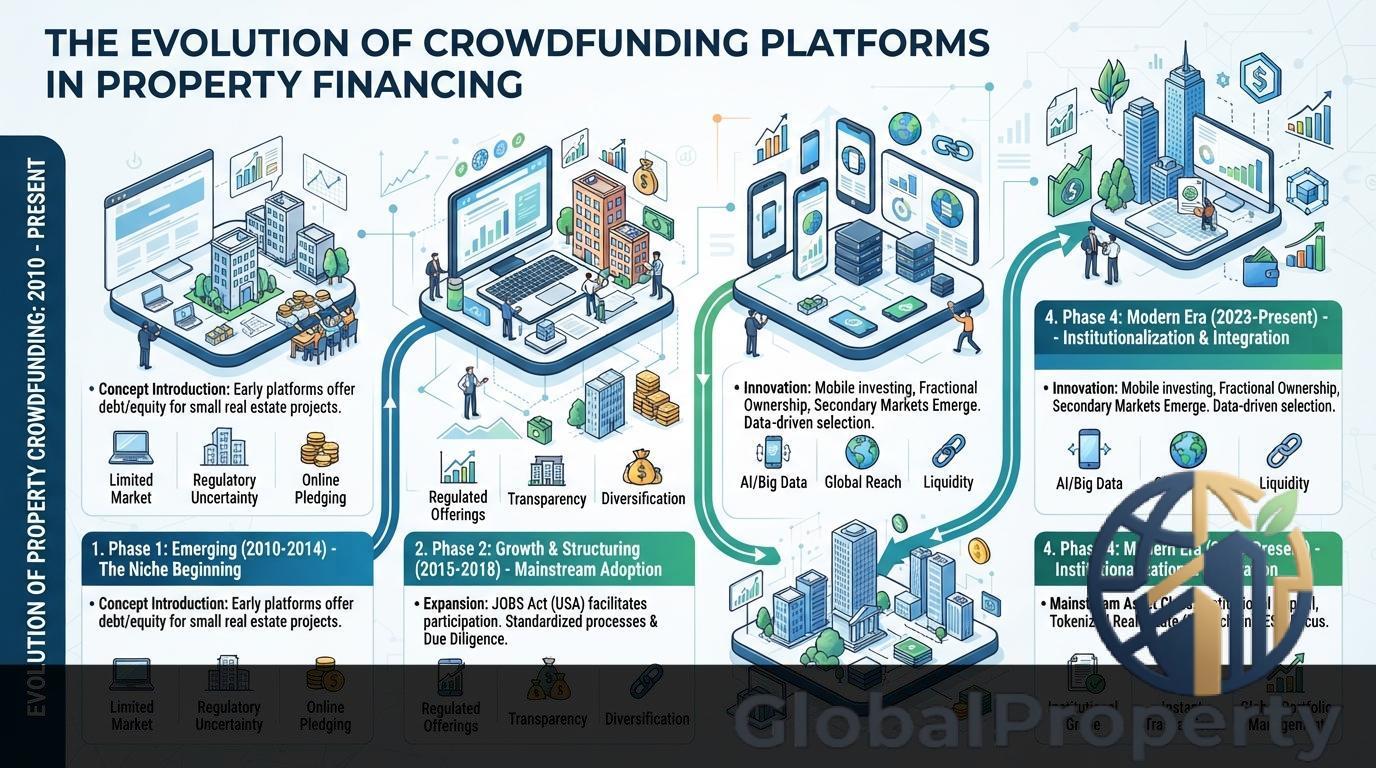
Are you tired of traditional financing methods limiting your investment opportunities in the real estate market? The evolving landscape of property financing has presented a new challenge for investors seeking innovative ways to fund their projects. Crowdfunding platforms have emerged as a game-changer, offering a fresh approach to raising capital for real estate ventures. However, navigating through the myriad of options and understanding the nuances of these platforms can be overwhelming for many individuals.
Imagine missing out on lucrative property investment deals simply because you were unaware of the potential offered by crowdfunding platforms. The frustration of being held back by conventional financing constraints while witnessing others capitalize on the dynamic opportunities in the market can be disheartening. The fear of not being able to diversify your investment portfolio or maximize returns due to lack of access to alternative funding sources looms large for many aspiring real estate investors.
But fear not, as we delve into the evolution of crowdfunding platforms in property financing, a world of possibilities unfolds before you. Discover how these platforms have revolutionized the way investors raise capital, find lucrative projects, and participate in the real estate market like never before. Uncover the secrets to leveraging crowdfunding to unlock your full investment potential and propel your financial growth. Join us on this journey of exploration and empowerment as we unravel the transformative impact of crowdfunding in property financing.
History of Crowdfunding
Crowdfunding has a rich history dating back centuries, with early examples found in the 17th century when authors sought financial support from the public for their publications. The concept evolved over time, gaining momentum in the early 2000s with platforms like ArtistShare and Indiegogo emerging as pioneers in the modern crowdfunding space. The term itself was coined by Michael Sullivan in 2006, highlighting the shift towards leveraging online platforms to connect creators with a global audience. Since then, crowdfunding has become a popular method for individuals and businesses to raise funds for various projects, ranging from creative endeavors to social causes and entrepreneurial ventures.
Evolution of Crowdfunding Platforms
As the demand for crowdfunding grew, platforms diversified to cater to different needs and preferences. Initially dominated by reward-based platforms like Kickstarter and donation-based platforms like GoFundMe, the landscape expanded to include equity crowdfunding platforms such as SeedInvest and real estate crowdfunding platforms like RealtyMogul. The evolution of crowdfunding platforms also saw the rise of peer-to-peer lending platforms such as LendingClub, providing alternative financing options for borrowers and investors. The continuous innovation and adaptation of these platforms have democratized access to capital, enabling a more inclusive and diverse funding ecosystem.
Types of Crowdfunding Platforms
Crowdfunding platforms are online portals that connect project creators with potential backers. There are various types of crowdfunding platforms, each catering to different needs and preferences. Reward-based platforms allow project creators to offer rewards or perks in exchange for financial contributions. These rewards can range from a simple thank you note to exclusive merchandise or experiences.
Equity crowdfunding platforms, on the other hand, enable backers to invest in a project in exchange for equity or ownership in the venture. This type of crowdfunding is popular among startups and businesses looking to raise funds without taking on traditional loans. Debt-based platforms allow project creators to borrow money from backers and repay it with interest over time, similar to a loan from a bank.
Property Financing in Crowdfunding
Crowdfunding has also revolutionized property financing, offering new opportunities for real estate developers and investors. Property crowdfunding platforms allow individuals to invest in real estate projects, from residential properties to commercial developments, with relatively small amounts of money. This democratization of real estate investment has opened up the market to a wider range of participants.
Investors can diversify their portfolios by spreading their investments across multiple properties through crowdfunding platforms, reducing risk and potentially increasing returns. Additionally, property crowdfunding provides developers with an alternative source of funding, bypassing traditional lenders and potentially reaching a larger pool of investors interested in real estate opportunities.

Property Financing in Crowdfunding
Crowdfunding platforms have expanded beyond traditional fundraising models to include property financing as a popular option for investors and developers alike. Property financing in crowdfunding allows individuals to pool their resources and invest in real estate projects, from residential properties to commercial developments. This model provides investors with opportunities to diversify their portfolios and participate in real estate ventures that were previously inaccessible to individual investors.
Property financing in crowdfunding has disrupted the real estate industry by democratizing access to investment opportunities and streamlining the funding process for developers. By leveraging crowdfunding platforms, developers can secure funding more efficiently, while investors can benefit from potential returns on real estate investments without the need for significant capital. This innovative approach to property financing is transforming the way real estate projects are funded and creating new avenues for both investors and developers to participate in the market.
Evolution of Crowdfunding Platforms
Crowdfunding platforms have undergone significant evolution since their inception. Initially used primarily for creative projects and charitable causes, these platforms have now expanded to encompass a wide range of funding needs. The evolution of crowdfunding platforms can be attributed to advancements in technology, changes in regulations, and shifting consumer preferences.
Modern crowdfunding platforms offer a diverse array of funding options, from donation-based crowdfunding to equity crowdfunding. They provide entrepreneurs, startups, and individuals with alternative sources of funding that were previously inaccessible. With the rise of digital marketing and social media, crowdfunding platforms have become powerful tools for raising capital and engaging with a global audience.
Case Studies
Successful Real Estate Crowdfunding Campaign
Property financing in crowdfunding has gained popularity in recent years, allowing investors to participate in real estate projects with varying investment amounts. One notable case study is the successful crowdfunding campaign for a commercial property development in downtown New York. The project raised over $1 million from a diverse group of investors, each contributing as little as $500.
Impact of Technology on Crowdfunding
The evolution of crowdfunding platforms has been closely intertwined with technological advancements. For instance, the introduction of blockchain technology has enabled greater transparency and security in crowdfunding transactions. Smart contracts have streamlined the investment process, reducing the need for intermediaries and lowering transaction costs.
Case Studies
Crowdfunding Case Study 1: In this case study, we analyze the successful crowdfunding campaign of a tech startup that raised over $1 million to launch their innovative product. Through strategic marketing efforts and engaging with backers, the startup was able to create a buzz around their project and attract a large number of supporters. The campaign not only provided the necessary funding but also helped build a community around the brand, leading to long-term success.
Crowdfunding Case Study 2: Another interesting case study focuses on a non-profit organization that used crowdfunding to fund a community project. By leveraging the power of social media and storytelling, the organization was able to connect with donors on a personal level and raise the required funds within a short period. This case study highlights the effectiveness of crowdfunding for social causes and how it can mobilize support from a diverse group of individuals.
Future Trends
The future of crowdfunding is expected to continue evolving with advancements in technology and changing consumer behaviors. As more industries embrace crowdfunding as a viable source of financing, we can anticipate a surge in niche platforms catering to specific sectors such as healthcare, sustainability, and education. Additionally, the integration of blockchain technology is poised to revolutionize crowdfunding by enhancing transparency, security, and efficiency in transactions.
Furthermore, personalization and customization are likely to become key trends in crowdfunding platforms, allowing donors and investors to have more control over where their funds are allocated. Artificial intelligence and machine learning are also expected to play a significant role in predicting campaign success rates and optimizing fundraising strategies. Overall, the future of crowdfunding presents a promising landscape of opportunities for both creators and backers alike.