
Have you ever stopped to ponder the environmental impact of the steel industry on our planet? The extraction of raw materials, high energy consumption, and greenhouse gas emissions are just a few of the critical issues that plague traditional steel production methods. As the demand for steel in modern construction continues to rise, it becomes imperative for us to seek sustainable alternatives that can mitigate these environmental concerns. This is where the concept of recycled steel comes into play, offering a promising solution to reduce the environmental footprint of the construction industry.
Imagine a world where our buildings and infrastructure not only serve their functional purposes but also contribute to a greener and more sustainable future. The consequences of overlooking the environmental impact of steel production are dire – escalating carbon emissions, depletion of natural resources, and exacerbation of climate change. With traditional steel production methods putting immense pressure on our ecosystems, it’s high time we explore innovative solutions that can revolutionize the construction industry while preserving our planet for future generations.
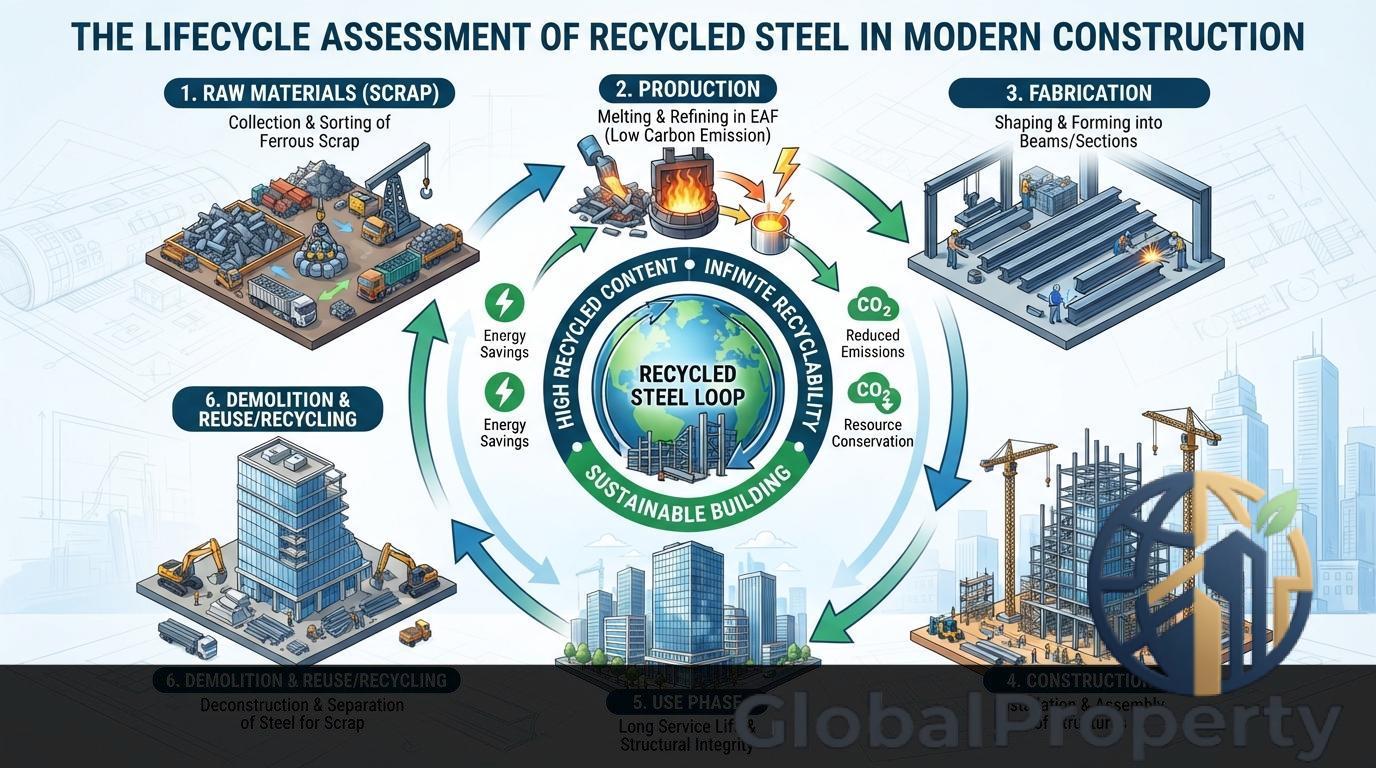
Enter the lifecycle assessment of recycled steel in modern construction. By harnessing the power of recycled steel, we can significantly reduce energy consumption, lower carbon emissions, and divert metal waste from landfills. This sustainable approach not only addresses the environmental challenges posed by traditional steel production but also offers a cost-effective and efficient solution for the construction sector. Join us on a journey to explore the transformative potential of recycled steel in modern construction and pave the way for a more sustainable built environment. Let’s build a future where progress and environmental stewardship go hand in hand.
Methodology
The methodology utilized in conducting a lifecycle assessment in construction projects is crucial for accurately evaluating the environmental impact of various materials and construction processes. To start, a comprehensive inventory of all resources and energy inputs involved in each phase of the construction project is compiled. This includes raw material extraction, transportation, manufacturing, construction, maintenance, and end-of-life disposal. Next, impact assessment methods are applied to quantify the environmental burdens associated with each input, such as greenhouse gas emissions, energy consumption, water usage, and waste generation. The results of the assessment provide valuable insights into the environmental performance of the construction project, helping stakeholders make informed decisions to minimize environmental impact and improve sustainability.
Importance of Lifecycle Assessment in Construction
The importance of conducting a lifecycle assessment in construction cannot be overstated in today’s environmentally conscious world. By evaluating the environmental impact of construction projects from cradle to grave, stakeholders can identify opportunities to reduce resource consumption, minimize waste generation, and lower carbon emissions. Lifecycle assessment enables informed decision-making throughout the project lifecycle, leading to the selection of materials and construction techniques that are not only cost-effective but also environmentally sustainable. Furthermore, lifecycle assessment helps in meeting regulatory requirements, achieving green building certifications, and enhancing the overall reputation of construction projects as environmentally responsible and socially conscious endeavors.
Importance of Lifecycle Assessment in Construction
Lifecycle assessment (LCA) is a crucial tool in the construction industry for evaluating the environmental impact of a building throughout its entire lifecycle, from material extraction to disposal. By conducting a thorough LCA, construction companies can identify opportunities to reduce energy consumption, minimize waste generation, and lower carbon emissions. This helps in making informed decisions to create more sustainable and eco-friendly buildings.
Implementing LCA in construction projects not only benefits the environment but also enhances the overall efficiency and cost-effectiveness of the building process. It allows stakeholders to assess the long-term environmental implications of various design choices and materials, leading to the development of greener and more resilient structures. Embracing LCA as a standard practice in the construction industry is essential for promoting sustainability and mitigating the environmental impact of urban development.
Environmental Impact of Recycled Steel
Utilizing recycled steel in construction projects can significantly reduce the environmental impact associated with steel production. The process of recycling steel requires less energy and resources compared to producing steel from raw materials, leading to lower carbon emissions and decreased waste generation. By incorporating recycled steel into building structures, construction companies can contribute to conserving natural resources and mitigating the carbon footprint of their projects.
Moreover, recycled steel maintains the same structural integrity and quality as virgin steel, making it a sustainable and cost-effective alternative for construction purposes. Embracing recycled steel not only supports the circular economy but also aligns with the principles of sustainable construction practices. By choosing recycled steel, construction projects can achieve their environmental goals without compromising on performance or durability.
Environmental Impact of Recycled Steel
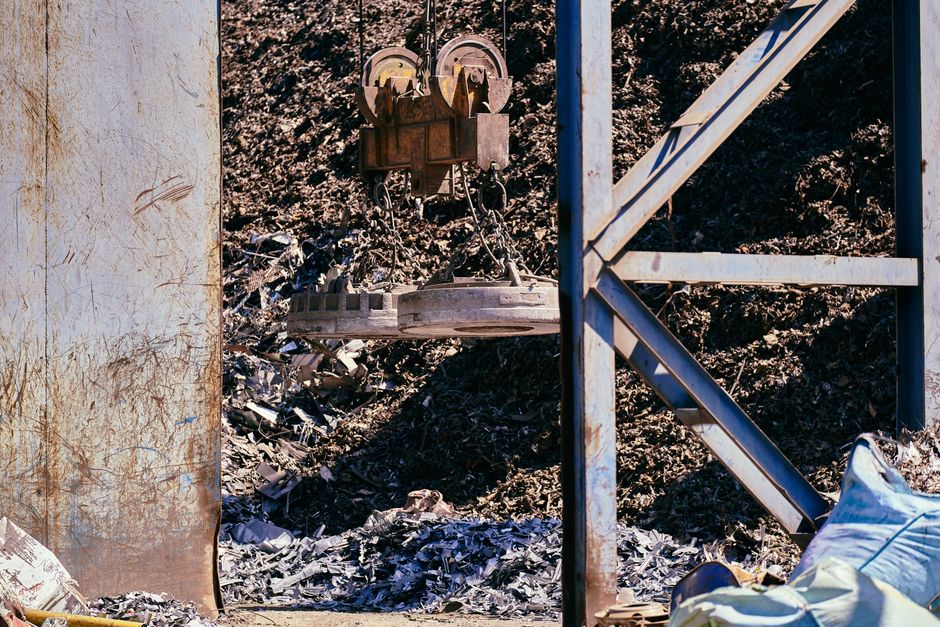
Recycled steel is a sustainable alternative that significantly reduces the environmental impact of traditional steel production. By using scrap steel in the manufacturing process, the energy consumption and emissions are greatly minimized. The production of recycled steel generates lower greenhouse gas emissions, reduces air and water pollution, and conserves natural resources.
Furthermore, recycled steel helps in diverting waste from landfills, contributing to a more circular economy. The process of recycling steel also consumes less water and requires fewer raw materials compared to producing steel from scratch. Overall, incorporating recycled steel in construction projects is a crucial step towards achieving environmental sustainability and reducing the carbon footprint of the construction industry.
Case Studies
Case studies showcase real-world examples of how lifecycle assessment and the use of recycled steel can positively impact construction projects. One such case study involves a commercial building project that incorporated recycled steel beams and columns, resulting in a significant reduction in carbon emissions compared to traditional steel production. The lifecycle assessment of the project revealed that the use of recycled steel not only reduced environmental impact but also saved costs in the long run.
Another case study focuses on a residential development that implemented lifecycle assessment practices from the design phase to construction. By choosing recycled steel for structural elements, the project achieved a high level of sustainability and energy efficiency. The detailed analysis of the project’s lifecycle highlighted the importance of considering environmental factors in construction decision-making processes.
Conclusion
The adoption of lifecycle assessment in construction projects is crucial for ensuring sustainable practices are implemented to minimize environmental impact. By evaluating the entire lifecycle of a building, from material extraction to construction and demolition, stakeholders can make informed decisions on resource use, energy consumption, and waste generation. This approach not only helps in reducing carbon emissions but also promotes the use of eco-friendly materials and technologies.
In conclusion, integrating lifecycle assessment into construction processes is a key step towards achieving a more sustainable built environment. It requires collaboration among architects, engineers, builders, and policymakers to prioritize environmental considerations throughout the project lifecycle. Through continuous monitoring, evaluation, and improvement, the construction industry can contribute significantly to mitigating climate change and preserving natural resources for future generations.
References
1. UNEP. (2011). Buildings and Climate Change: Status, Challenges, and Opportunities. United Nations Environment Programme.
2. Curran, M. A. (2013). Life Cycle Assessment Handbook: A Guide for Environmentally Sustainable Products. John Wiley & Sons.
Case Studies
Case Study 1: A construction company implemented the use of recycled steel in their building projects, resulting in a significant reduction in carbon emissions compared to traditional steel production. By conducting a lifecycle assessment, they were able to quantify the environmental benefits and showcase their commitment to sustainability.
Case Study 2: Another case study involved a large-scale infrastructure project that utilized recycled steel beams. Through careful monitoring and analysis, the project team discovered that the use of recycled steel not only reduced environmental impact but also saved costs in the long run. This success story highlights the importance of considering lifecycle assessment in construction projects for both environmental and economic benefits.