
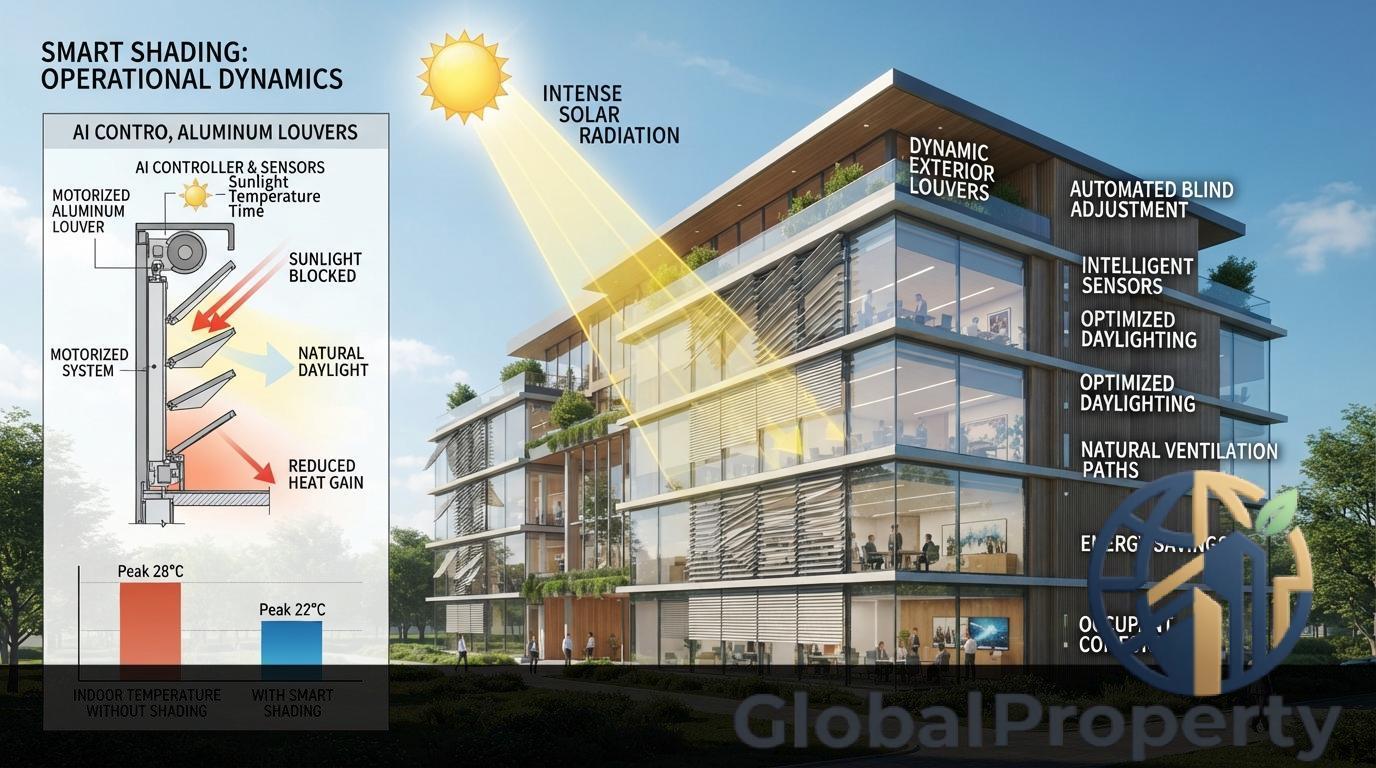
Do you find yourself struggling to keep your home cool during scorching summer days? The relentless heat from the sun beating down on your windows can turn your once comfortable living space into a sauna, leaving you feeling frustrated and uncomfortable. As much as you love natural light streaming through your windows, the accompanying solar heat gain can quickly become unbearable, leading to skyrocketing energy bills as you crank up the air conditioning in a desperate attempt to find relief.
Imagine coming home after a long day, only to be greeted by a stifling hot environment that zaps your energy and makes relaxation nearly impossible. The constant battle against solar heat gain not only impacts your comfort but also takes a toll on your wallet and the environment. Excessive air conditioning use contributes to higher energy consumption and increased carbon emissions, exacerbating the effects of climate change. It’s a vicious cycle that leaves you feeling trapped between sacrificing natural light and living in a sweltering space.
But what if there was a smart solution that could help you reduce solar heat gain naturally, allowing you to enjoy the benefits of sunlight without the drawbacks? Enter smart shading systems – a sophisticated yet simple way to manage sunlight and heat in your home efficiently. By harnessing the power of technology, these innovative systems offer a customizable and convenient way to control light and temperature, creating a more comfortable and sustainable living environment. Say goodbye to excessive heat, high energy bills, and environmental guilt – it’s time to embrace a smarter approach to shading and enhance your quality of life.
Understanding Solar Heat Gain
Solar heat gain refers to the increase in temperature inside a building due to sunlight entering through windows and other openings. It is a crucial factor to consider in building design as it can impact energy efficiency, indoor comfort, and overall sustainability. Understanding how solar heat gain works involves knowledge of factors such as orientation, glazing types, shading, and thermal mass. By managing solar heat gain effectively, building occupants can experience better thermal comfort, reduced energy consumption for cooling, and lower utility costs.
Importance of Smart Shading Systems
Smart shading systems play a vital role in controlling solar heat gain and optimizing natural light in buildings. These automated systems use sensors, timers, and smart algorithms to adjust shading elements such as blinds, shades, or louvers based on the sun’s position and intensity. By intelligently managing sunlight penetration, smart shading systems help regulate indoor temperatures, reduce glare, protect furnishings from UV damage, and enhance occupant comfort. Additionally, these systems contribute to energy savings by minimizing the need for artificial lighting and cooling, making them a sustainable solution for modern buildings.
Understanding Solar Heat Gain
Solar heat gain refers to the increase in temperature inside a building due to sunlight entering through windows and other openings. It is a crucial factor to consider in building design as it directly impacts energy consumption for cooling. By understanding solar heat gain, architects and engineers can implement strategies to optimize natural light while minimizing heat gain, leading to energy-efficient buildings.
Importance of Smart Shading Systems
Smart shading systems play a vital role in controlling solar heat gain by automatically adjusting window coverings based on external conditions like sunlight intensity and temperature. These systems not only enhance occupant comfort by reducing glare and heat, but also contribute to energy savings by decreasing the need for artificial cooling. The integration of smart shading systems in buildings reflects a commitment to sustainability and smart design practices.
Types of Smart Shading Systems
Motorized Blinds: Motorized blinds are a popular type of smart shading system that can be controlled remotely through a smartphone app or a smart home automation system. These blinds offer convenience and energy efficiency by allowing users to easily adjust the amount of natural light entering a room.
Smart Tinting Windows: Smart tinting windows use electrochromic technology to adjust the tint of the glass based on the amount of sunlight and heat entering a room. These windows can help regulate indoor temperature, reduce glare, and provide privacy without the need for traditional blinds or curtains.
Benefits of Using Smart Shading Systems
Energy Efficiency: Smart shading systems help reduce energy consumption by optimizing natural light and heat levels in a building. By automatically adjusting to external conditions, these systems can lower cooling and heating costs, making them environmentally friendly and cost-effective.
Enhanced Comfort: Smart shading systems provide a comfortable indoor environment by regulating brightness, reducing glare, and maintaining a consistent temperature throughout the day. This leads to improved well-being, productivity, and overall satisfaction for occupants of residential and commercial spaces.
Benefits of Using Smart Shading Systems
Smart shading systems offer a range of benefits that go beyond just controlling light levels in a space. By efficiently managing solar heat gain, these systems contribute to energy savings by reducing the need for excessive air conditioning. They also enhance occupant comfort by providing adjustable shading solutions that allow individuals to customize their environment according to their preferences. Moreover, smart shading systems can help protect interior furnishings and artwork from sun damage, extending their lifespan and preserving their aesthetic appeal. In addition to these practical advantages, the integration of smart shading systems can elevate the overall design and functionality of a space, adding a touch of modern sophistication and convenience.
Case Studies and Examples
Several real-world examples demonstrate the effectiveness and impact of smart shading systems in various settings. For instance, a commercial office building in a sunny climate successfully reduced its energy consumption and improved employee productivity by implementing automated shading solutions that adjusted throughout the day based on sunlight intensity. In residential settings, homeowners have reported significant savings on their energy bills after installing smart shading systems that regulate indoor temperatures and reduce the reliance on heating and cooling systems. These case studies underscore the practical benefits and tangible results that can be achieved through the strategic implementation of smart shading technologies.
Case Studies and Examples
In this section, we will explore real-life examples and case studies that demonstrate the effectiveness and impact of smart shading systems in various settings. These case studies will highlight how different organizations and individuals have successfully implemented smart shading solutions to optimize natural light, reduce energy consumption, and enhance comfort levels within their spaces.
By examining these case studies, readers will gain a deeper understanding of the practical applications of smart shading systems in both residential and commercial environments. From office buildings to residential homes, these examples will showcase the versatility and benefits of using smart shading technology to create more sustainable and efficient spaces.
Conclusion
Smart shading systems offer a sophisticated solution to managing solar heat gain in buildings, providing both energy efficiency and comfort benefits. By incorporating these intelligent systems, property owners can effectively control natural light and heat levels, resulting in reduced energy consumption and lower utility costs. The variety of smart shading options available in the market cater to different needs and preferences, ensuring that there is a suitable solution for every space.
With advancements in technology and design, smart shading systems continue to evolve, offering more automation and customization features. As the demand for sustainable building solutions grows, the adoption of smart shading systems is expected to increase, contributing to a more energy-efficient and environmentally friendly built environment. In conclusion, the integration of smart shading systems is a smart investment for any property looking to enhance its energy performance and occupant comfort.