
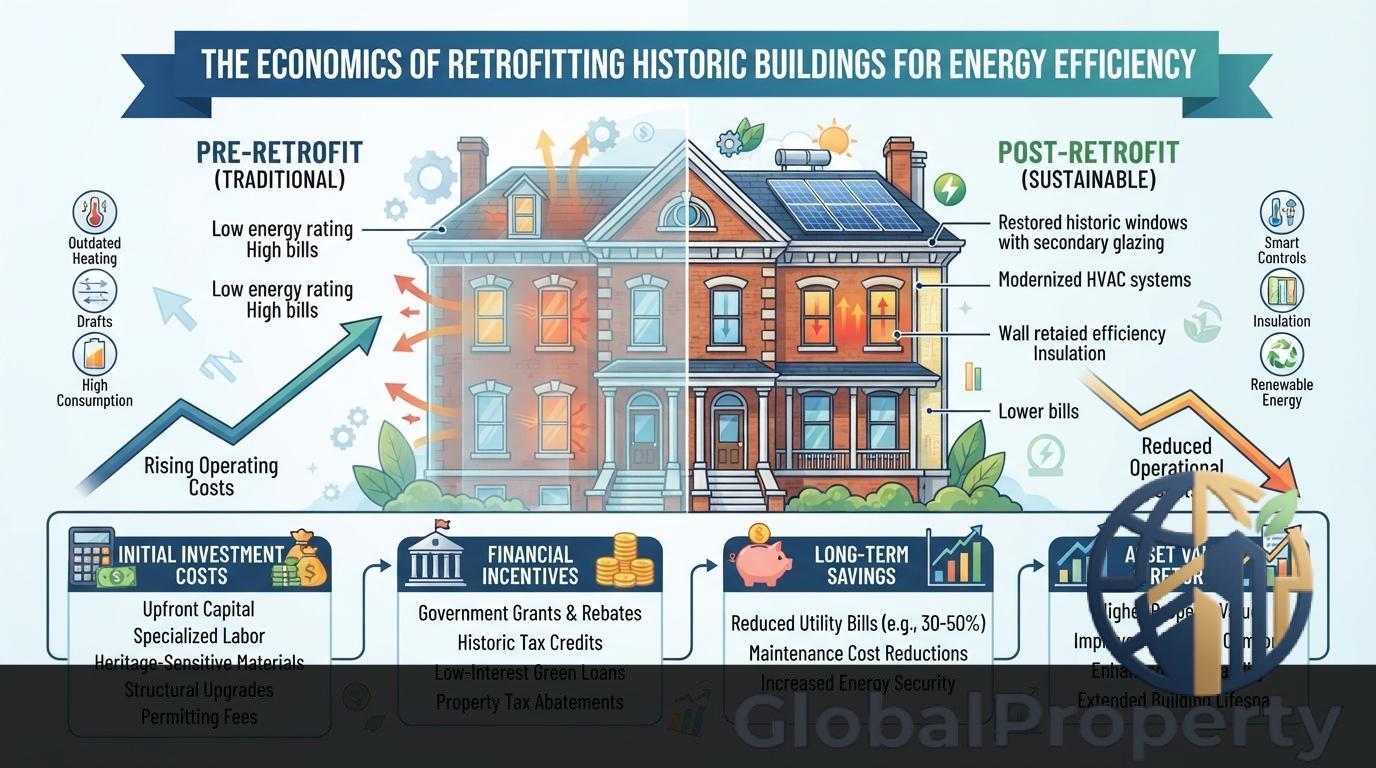
Are you ready to dive into the fascinating world where history meets modern sustainability? Imagine this: you own a beautiful historic building that exudes charm and character, but there’s a catch – it’s energy-inefficient. This is a common dilemma faced by many owners of historic buildings around the world. The charm of these architectural gems often comes at the cost of high energy consumption and a significant carbon footprint. So, what can be done to preserve the historical significance of these buildings while making them more environmentally friendly and cost-effective to operate?
Now, let’s turn up the heat on this issue. Picture the soaring energy bills, the constant maintenance required to keep your historic building comfortable, and the guilt of knowing that you’re contributing to environmental degradation. The frustration mounts as you realize that the status quo is simply unsustainable. The longer you delay taking action, the more you’re losing out on potential savings, not to mention the opportunity to reduce your carbon footprint and contribute positively to the environment.
But fret not, there is a beacon of hope on the horizon – retrofitting historic buildings for energy efficiency. This innovative solution allows you to preserve the historic charm of your building while upgrading it to meet modern energy efficiency standards. By implementing strategic changes such as insulation upgrades, energy-efficient windows, and HVAC systems, you can transform your historic building into a sustainable and eco-friendly space. So, buckle up as we embark on a journey to explore the transformative power of retrofitting historic buildings for energy efficiency. Let’s unlock the secrets to preserving the past while building a greener future!
Importance of Energy Efficiency in Historic Buildings
Energy efficiency in historic buildings is crucial for preserving these valuable structures for future generations while reducing their environmental impact. Historic buildings often have unique architectural features and materials that make them challenging to retrofit with modern energy-efficient systems. However, improving energy efficiency in these buildings not only helps to reduce energy consumption and lower utility bills but also enhances the overall comfort and usability of the space.
Challenges of Retrofitting Historic Buildings
Retrofitting historic buildings presents a range of challenges, including the need to balance preservation with energy efficiency goals. Many historic buildings are protected by preservation regulations, which can limit the type of alterations that can be made to improve energy efficiency. Additionally, the age and construction of historic buildings may require specialized knowledge and techniques to retrofit them without compromising their integrity. Overcoming these challenges often involves a careful balance of preserving the building’s historic character while implementing energy-efficient upgrades.
Challenges of Retrofitting Historic Buildings
When it comes to retrofitting historic buildings for energy efficiency, there are numerous challenges that need to be carefully addressed. One of the primary challenges is ensuring that any modifications or upgrades do not compromise the historical integrity or architectural significance of the building. This delicate balance between preserving the past and embracing modern energy-efficient technologies requires a thoughtful approach and expertise in both historic preservation and energy efficiency.
Additionally, historic buildings often present unique structural and technical challenges due to their age and construction materials. These challenges can include outdated HVAC systems, inefficient insulation, and the need for custom solutions to meet energy efficiency standards without damaging the building’s historical fabric. Overcoming these obstacles requires a deep understanding of the building’s history, construction methods, and the latest energy-efficient technologies available.
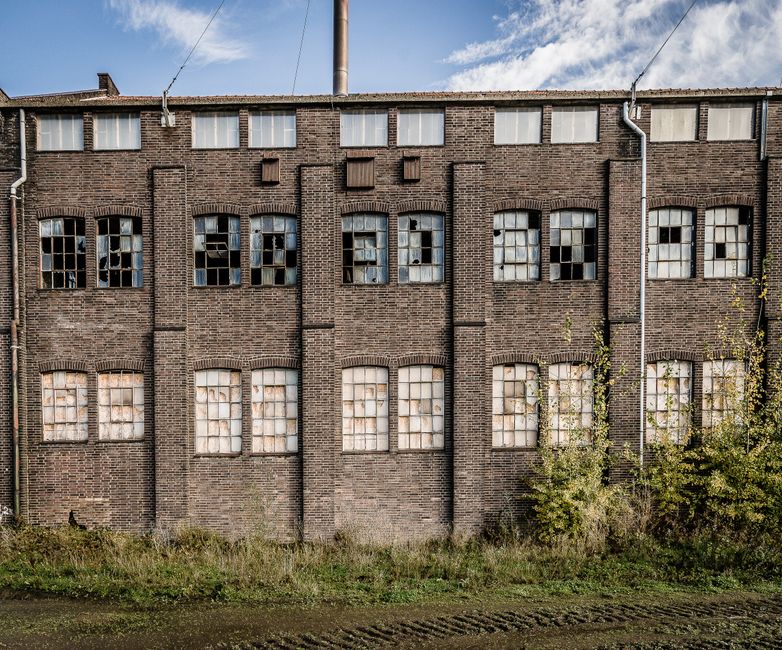
Importance of Energy Efficiency in Historic Buildings
Historic buildings are valuable assets that contribute to the cultural heritage of a community. Preserving these buildings while improving their energy efficiency is crucial for sustainability and cost savings. Energy-efficient retrofits can enhance the comfort of occupants, reduce energy consumption, and lower greenhouse gas emissions. By implementing energy-efficient measures in historic buildings, we can ensure their longevity and reduce their environmental impact.
Challenges of Retrofitting Historic Buildings
Retrofitting historic buildings for energy efficiency presents unique challenges due to their age, construction materials, and architectural significance. Balancing the need for modern energy-saving technologies with preservation requirements can be complex. Issues such as structural integrity, historic significance, and regulatory constraints must be carefully considered to ensure the success of retrofit projects. Overcoming these challenges requires a thoughtful approach that respects the historical integrity of the building while achieving energy efficiency goals.
Economic Benefits of Retrofitting Historic Buildings
Retrofitting historic buildings for energy efficiency can provide significant economic benefits in the long run. While the initial costs of retrofitting may be higher than for newer buildings, the potential for energy savings, reduced maintenance costs, and increased property value make it a worthwhile investment. Energy-efficient historic buildings can attract tenants, visitors, and investors, contributing to the economic revitalization of a community. Additionally, retrofit projects can create jobs in the construction and preservation sectors, further stimulating the local economy.
Case Studies of Successful Retrofits
Case studies of successful retrofits in historic buildings serve as shining examples of the potential impact of energy efficiency upgrades. These real-world examples showcase how thoughtful planning, innovative technologies, and skilled craftsmanship can transform aging structures into sustainable, energy-efficient spaces without compromising their historical integrity. By highlighting the challenges faced, the solutions implemented, and the measurable results achieved, these case studies provide valuable insights for future retrofit projects.
Best Practices for Energy Efficiency in Historic Buildings
Best practices for energy efficiency in historic buildings involve a delicate balance between preserving the architectural character of the structure and implementing modern energy-saving strategies. From conducting thorough energy audits and utilizing passive design principles to exploring renewable energy sources and selecting appropriate insulation materials, there are various approaches to improve energy performance while respecting the building’s historical significance. Collaboration between preservationists, architects, engineers, and contractors is essential to ensure that the retrofit process enhances both the sustainability and cultural value of historic buildings.
Best Practices for Energy Efficiency in Historic Buildings
Preserving the historical charm of a building while improving its energy efficiency is a delicate balance that requires careful planning and execution. One of the best practices is to conduct a thorough energy audit to identify areas of improvement without compromising the building’s integrity. This audit should include evaluating the building envelope, HVAC systems, lighting, and insulation to pinpoint where energy efficiency upgrades can be most effective.
Utilizing sustainable materials and techniques is another crucial aspect of improving energy efficiency in historic buildings. Choosing materials that are both environmentally friendly and in line with the building’s historical context can help reduce energy consumption while maintaining the building’s aesthetic appeal. Additionally, implementing energy-efficient technologies such as smart thermostats, LED lighting, and solar panels can further enhance the building’s energy performance without sacrificing its historical character.
Conclusion
Energy efficiency in historic buildings is not only crucial for environmental sustainability but also for preserving our cultural heritage for future generations. By retrofitting these buildings with modern technologies and sustainable practices, we can ensure their longevity while significantly reducing energy consumption and carbon emissions. It is essential for policymakers, building owners, and preservationists to work together to find innovative solutions that balance the need for conservation with the demands of energy efficiency.
As we continue to face the challenges of climate change, retrofitting historic buildings for energy efficiency will play a vital role in creating a more sustainable future. Through careful planning, thoughtful design, and a commitment to best practices, we can transform these architectural treasures into beacons of sustainability and resilience. By celebrating the past while embracing the future, we can ensure that historic buildings remain vibrant and relevant in the modern world.