
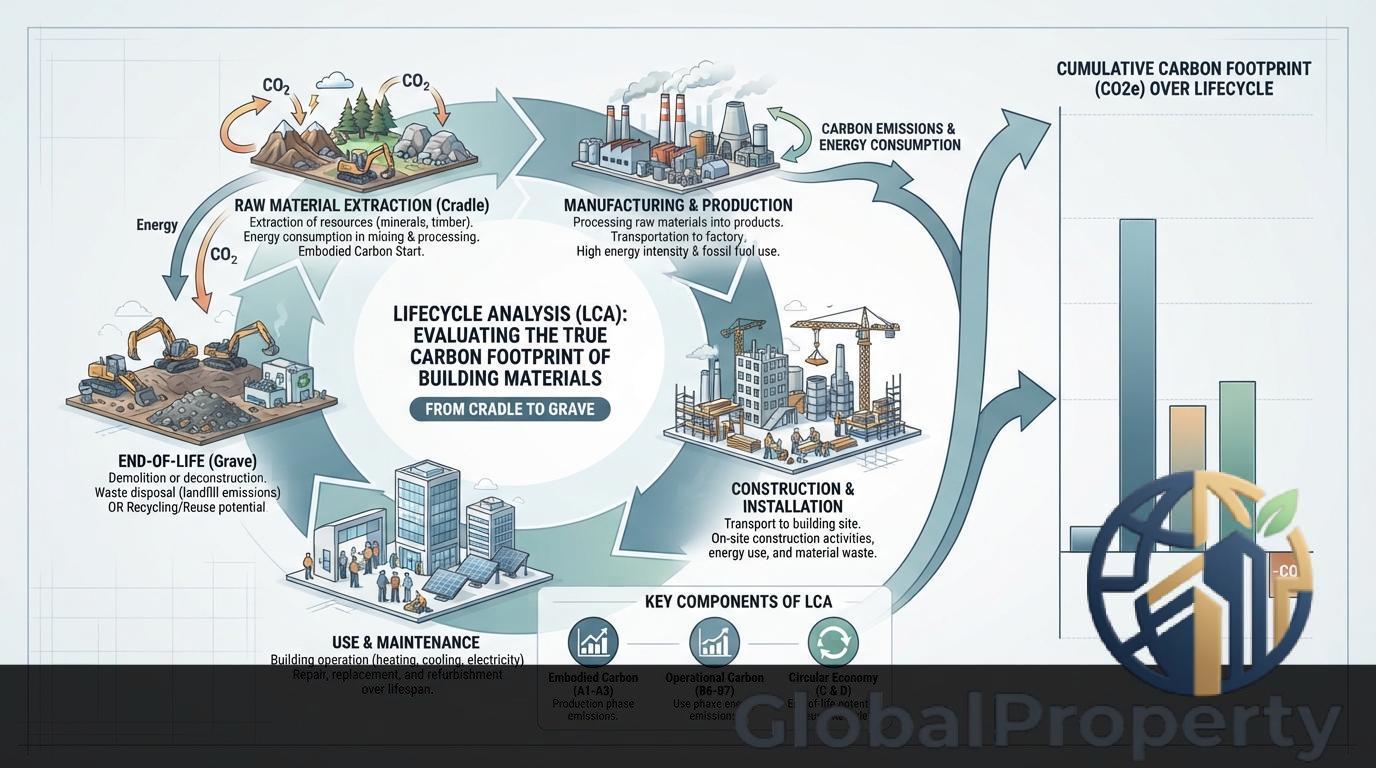
Have you ever stopped to consider the environmental impact of the buildings that surround us? From towering skyscrapers to humble homes, the construction industry plays a significant role in global carbon emissions. However, the true carbon footprint of building materials goes beyond what meets the eye. This is where lifecycle analysis comes into play, shedding light on the complete environmental impact of construction materials from extraction to disposal.
Imagine living in a world where the buildings we inhabit contribute significantly to climate change without us even realizing it. The frustration of not knowing the full extent of the carbon footprint of building materials can be disheartening. From the extraction of raw materials to the manufacturing process and transportation, each stage adds to the environmental burden we unknowingly carry.
But fear not, for there is a solution that can empower us to make more informed decisions when it comes to sustainable construction practices. By delving into the realm of lifecycle analysis, we can evaluate the true environmental impact of building materials and make conscious choices that benefit both our planet and future generations. Join us on a journey to uncover the hidden truths behind the construction industry’s carbon footprint and learn how we can make a positive difference starting today.
Carbon Footprint Evaluation in Building Materials
Building materials play a crucial role in determining the carbon footprint of construction projects. Assessing the carbon footprint of building materials involves analyzing the greenhouse gas emissions associated with their production, transportation, use, and disposal. Factors such as energy consumption, raw material extraction, manufacturing processes, and end-of-life disposal all contribute to the overall carbon footprint. By evaluating the carbon footprint of building materials, construction companies can make informed decisions to reduce their environmental impact and work towards sustainable building practices.
Key Considerations in Carbon Footprint Evaluation:
1. Life Cycle Assessment (LCA): LCA is a systematic methodology for evaluating the environmental impacts of a product or process throughout its entire life cycle. It provides a comprehensive view of the environmental performance of building materials and helps identify areas for improvement.
2. Embodied Carbon: Embodied carbon refers to the total greenhouse gas emissions associated with the production and transportation of building materials. It is a key metric in evaluating the carbon footprint of construction projects and promoting the use of low-carbon materials.
Carbon Footprint Evaluation in Building Materials
Carbon footprint evaluation in building materials is crucial for assessing the environmental impact of construction projects. By analyzing the amount of greenhouse gas emissions produced throughout the lifecycle of materials, builders and designers can make informed decisions to reduce environmental harm. Factors such as raw material extraction, manufacturing processes, transportation, installation, and end-of-life disposal all contribute to the carbon footprint of building materials.
Through detailed evaluation and comparison of different materials, construction professionals can identify opportunities to select more sustainable options that minimize carbon emissions. This evaluation process is essential for promoting eco-friendly practices in the construction industry and achieving overall sustainability goals.
Methods for Conducting Lifecycle Analysis
Methods for conducting lifecycle analysis encompass a range of approaches to evaluate the environmental impact of products or processes throughout their entire lifecycle. This analysis typically involves assessing resource consumption, energy use, emissions, and waste generation at each stage of a product’s life cycle, from raw material extraction to disposal.
Common methods include Life Cycle Assessment (LCA), which quantifies the environmental impacts of a product or process, and Environmental Product Declarations (EPDs), which provide transparent information on a product’s environmental performance. By employing these methods, companies can make informed decisions to improve the sustainability of their products and operations, contributing to a more environmentally conscious industry.

Importance of Sustainability in Construction
Sustainability in construction is a critical aspect that is gaining increased attention in the industry due to its long-lasting impacts on the environment and society. By focusing on sustainable practices, construction companies can reduce their carbon footprint, minimize waste, and promote the efficient use of resources. Embracing sustainability not only benefits the environment but also enhances the overall reputation and competitiveness of a construction project.
Future Trends in Building Material Sustainability
Future trends in building material sustainability are moving towards the development and use of eco-friendly materials that have minimal environmental impact throughout their lifecycle. This includes materials that are recyclable, energy-efficient, and sourced responsibly. Additionally, advancements in technology are enabling the creation of innovative materials that are durable, cost-effective, and sustainable. As the construction industry continues to evolve, these trends will play a crucial role in shaping the buildings of tomorrow.
5. Case Studies on Carbon Footprint Reduction
Case Study 1: Green Building Certification Project
This case study focuses on a construction project that achieved LEED certification by implementing sustainable building materials and practices. By using recycled materials, optimizing energy efficiency, and reducing waste generation, the project significantly lowered its carbon footprint. The lifecycle analysis of the materials used showcased a substantial reduction in greenhouse gas emissions compared to traditional construction methods.
Case Study 2: Net-Zero Energy Building Retrofit
In this case study, a commercial building underwent a retrofit to become a net-zero energy structure. By incorporating innovative building materials such as solar panels, energy-efficient insulation, and smart HVAC systems, the carbon footprint of the building was drastically reduced. The lifecycle analysis revealed a significant decrease in energy consumption and greenhouse gas emissions, demonstrating the feasibility and benefits of sustainable construction practices.
Future Trends in Building Material Sustainability
The future of building material sustainability is moving towards innovative solutions that prioritize environmental impact reduction and resource efficiency. With advancements in technology and research, the construction industry is increasingly focusing on developing materials that have lower carbon footprints and are more durable. One emerging trend is the use of recycled and renewable materials in construction, such as reclaimed wood, bamboo, and recycled plastics. These materials not only help reduce waste but also contribute to a more sustainable building industry.
Conclusion and Recommendations
In conclusion, lifecycle analysis and carbon footprint evaluation are crucial tools for assessing the environmental impact of building materials and construction practices. Sustainability in construction is not only important for reducing carbon emissions but also for promoting a healthier environment and conserving natural resources. To promote sustainability in construction, it is recommended that industry stakeholders continue to prioritize research and innovation in developing eco-friendly building materials and practices. Collaboration between architects, engineers, manufacturers, and policymakers is key to driving positive change towards a more sustainable future.
Conclusion and Recommendations
Conclusion: Lifecycle analysis is a crucial tool in assessing the environmental impact of building materials throughout their entire lifespan. By evaluating factors such as carbon footprint, energy consumption, and waste generation, construction professionals can make informed decisions to promote sustainability in the industry. It is evident that more sustainable practices are necessary to mitigate the negative effects of construction on the environment.
Recommendations: To enhance sustainability in construction, it is recommended that stakeholders prioritize the use of eco-friendly building materials, adopt efficient waste management strategies, and invest in renewable energy sources. Collaboration between architects, engineers, suppliers, and policymakers is essential to implement sustainable practices effectively. Furthermore, ongoing research and development in innovative building materials and technologies are crucial to driving future sustainability in the construction industry.