
Do you ever find yourself worried about water scarcity or rising utility bills? Imagine a world where you have the power to reduce your dependence on traditional water sources while simultaneously saving money. The core problem many households face today is the unsustainable use of water resources, leading to increased costs and environmental impact. This is where rainwater harvesting systems come into play, offering a sustainable solution that not only addresses water scarcity but also provides numerous benefits for households.
Now, picture the frustration of seeing your precious rainwater go to waste every time it pours down from the sky. Without a proper system in place to capture and utilize this free resource, you are missing out on a valuable opportunity to reduce your environmental footprint and cut down on water expenses. The consequences of not implementing a rainwater harvesting system are not just limited to financial losses but also contribute to the overall strain on existing water sources, exacerbating the global water crisis we are facing today.
But fear not, as there is a solution that can transform the way you view water usage in your household. By understanding the design principles of rainwater harvesting systems and implementing them effectively, you can take a proactive step towards sustainability and self-sufficiency. Imagine having a constant supply of water for your garden, laundry, and even for drinking, all sourced from the heavens above. Join us on a journey to explore the world of rainwater harvesting systems, where innovation meets conservation, and households reap the benefits of a greener tomorrow.
Types of Rainwater Harvesting Systems
Rainwater harvesting systems can be categorized into two main types: above-ground systems and below-ground systems. Above-ground systems include rain barrels, which are simple containers placed under downspouts to collect rainwater from the roof. These barrels usually have a spigot for easy access to the collected water. Another type of above-ground system is the rainwater tank, which is a larger storage container that can hold a significant amount of rainwater for later use.
Below-ground systems, on the other hand, involve the use of underground tanks or cisterns to store rainwater. These systems are more discreet as they are hidden underground, making them ideal for properties with limited space or aesthetic concerns. Below-ground systems often require more extensive installation due to excavation requirements, but they offer the benefit of storing larger volumes of rainwater.
Household Applications of Rainwater Harvesting
Rainwater harvesting systems can be utilized in various household applications to reduce reliance on municipal water sources and lower water bills. One common household application is using harvested rainwater for irrigation purposes, such as watering gardens, lawns, and indoor plants. This not only conserves potable water but also provides plants with natural, untreated water that can promote healthier growth.
Additionally, harvested rainwater can be used for non-potable indoor uses like flushing toilets, doing laundry, and cleaning. By incorporating rainwater harvesting into household systems, homeowners can contribute to sustainable water management practices while enjoying cost savings and environmental benefits.
Design Principles for Rainwater Harvesting
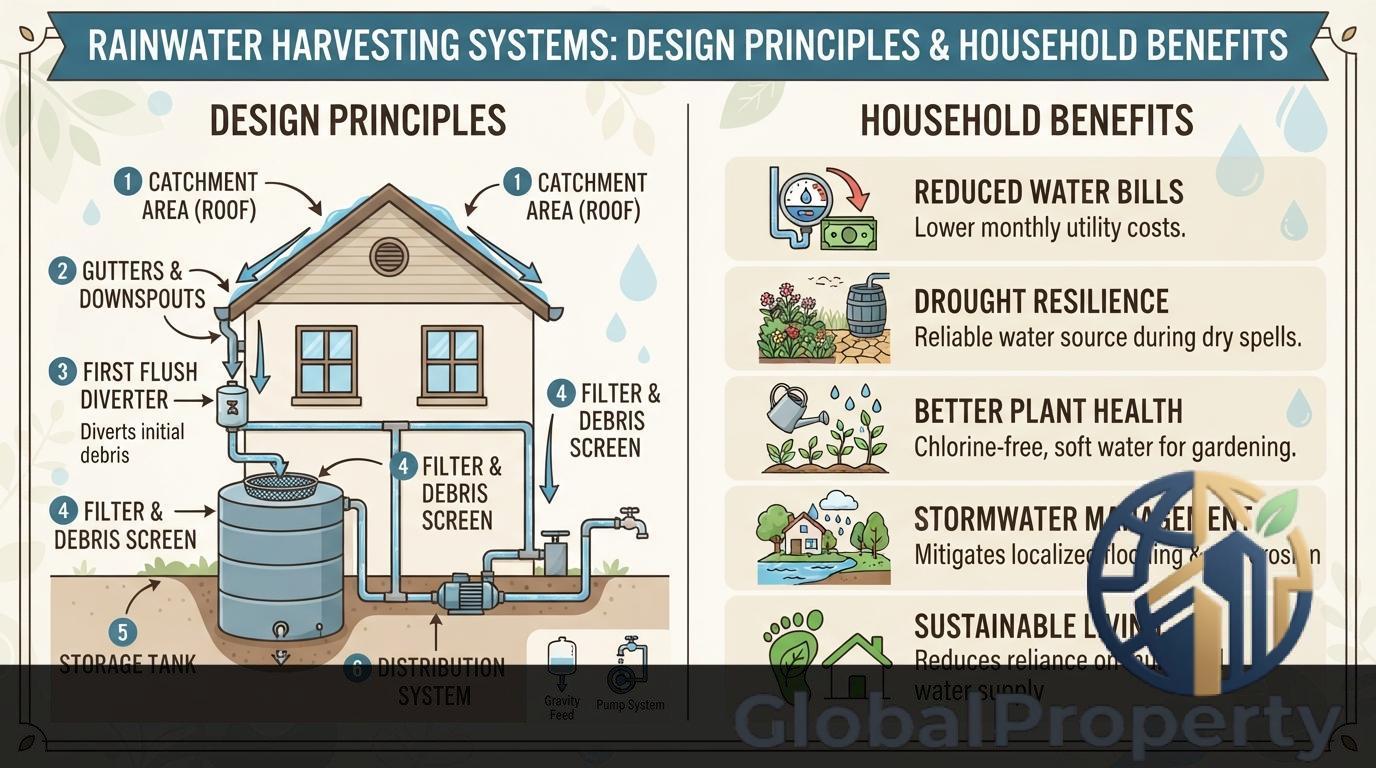
Proper design principles are crucial for the effective implementation of rainwater harvesting systems. When designing a system, factors such as the size of the catchment area, climate conditions, and water usage requirements must be carefully considered. The system should be designed to efficiently collect, store, and distribute rainwater, ensuring optimal utilization without wastage. Proper filtration and treatment mechanisms should also be incorporated to maintain water quality and prevent contamination.
Benefits of Rainwater Harvesting Systems
Rainwater harvesting systems offer a multitude of benefits for both individuals and the environment. By reducing reliance on municipal water sources, these systems help conserve water resources and reduce utility costs. Additionally, harvested rainwater can be used for various non-potable applications such as irrigation, toilet flushing, and laundry, further contributing to water conservation efforts. Implementing rainwater harvesting systems also helps mitigate stormwater runoff, reducing the risk of flooding and soil erosion in urban areas.
Benefits of Rainwater Harvesting Systems
Rainwater harvesting systems offer numerous benefits for both the environment and homeowners. By collecting rainwater, these systems help reduce the demand on traditional water sources, such as groundwater and municipal water supplies. This can lead to lower water bills and decreased strain on local water systems.
One of the main advantages of rainwater harvesting is its environmental impact. By capturing rainwater, homeowners can reduce runoff that carries pollutants into rivers and lakes. Additionally, using rainwater for tasks like irrigation and flushing toilets can help conserve freshwater resources, especially in regions facing water scarcity.
Household Applications of Rainwater Harvesting
Rainwater harvested from rooftops can be used for various household applications, making it a versatile water source for homeowners. Common uses include watering gardens, washing cars, and even flushing toilets. Some homeowners also use collected rainwater for laundry and bathing, depending on the quality of the water and the system in place.
Implementing rainwater harvesting systems at the household level can not only reduce water bills but also contribute to a more sustainable water management approach. By utilizing rainwater for everyday tasks, homeowners can lessen their reliance on traditional water sources and play a role in conserving water resources for future generations.
Household Applications of Rainwater Harvesting
Rainwater harvesting systems can be utilized in various household applications to reduce dependency on municipal water sources and lower water bills. One common household application is using harvested rainwater for irrigation purposes, such as watering gardens, lawns, and indoor plants. This not only conserves potable water but also provides plants with natural, untreated water, which can lead to healthier and more vibrant vegetation.
Another practical application is using harvested rainwater for non-potable indoor uses, such as flushing toilets, doing laundry, and cleaning. By incorporating rainwater harvesting systems into households, individuals can significantly reduce their overall water consumption, contribute to water conservation efforts, and promote sustainability in their daily lives.
6. Maintenance Tips for Rainwater Harvesting Systems
To ensure the efficiency and longevity of your rainwater harvesting system, regular maintenance is essential. Start by inspecting your system at least twice a year, checking for any leaks, blockages, or damage to pipes, gutters, and storage tanks. Clean out debris such as leaves, twigs, and sediment that may have accumulated to prevent clogs and contamination.
Additionally, monitor the water quality periodically and treat it if necessary to prevent algae growth or bacterial buildup. Properly maintain filters, screens, and other components to keep the system running smoothly. Lastly, consider investing in a professional inspection annually to address any potential issues before they escalate, ensuring your rainwater harvesting system continues to provide sustainable water for your needs.
Conclusion: Sustainable Water Management with Rainwater Harvesting
Rainwater harvesting is a crucial practice for sustainable water management that offers a range of benefits for both the environment and individuals. By capturing and storing rainwater, households and communities can reduce their reliance on traditional water sources, leading to decreased strain on local water supplies. This method also helps to mitigate flooding and erosion by diverting excess rainwater away from sensitive areas.
Implementing rainwater harvesting systems is a proactive step towards water conservation and self-sufficiency. It promotes a culture of environmental responsibility and resourcefulness, encouraging individuals to be mindful of their water usage and impact on the ecosystem. As we face increasing water scarcity and climate challenges, embracing rainwater harvesting is a practical and effective solution for ensuring a sustainable water future.