

Imagine searching for your dream home in a bustling urban area, eager to find the perfect balance of convenience, amenities, and affordability. You come across various neighborhoods, each promising a unique lifestyle experience. However, amidst the sea of options, how do you discern which neighborhood offers the best value for your investment? This is where the concept of walkability scores comes into play, shedding light on how neighborhood design can significantly impact urban real estate value.
As you envision settling into a new neighborhood, the frustration of not fully understanding the implications of walkability scores begins to surface. Picture this: you unknowingly purchase a property in a neighborhood with poor walkability, only to realize later the implications on your daily life. Long commutes, limited access to essential services, and a lack of vibrant community spaces can all contribute to a diminished quality of life and property value. The consequences of neglecting the importance of walkability in urban real estate decisions can be far-reaching and impactful.
But fear not, as there is a solution that can empower you to make informed decisions when navigating the urban real estate market. By delving into the relationship between neighborhood design and walkability scores, you can gain valuable insights into how these factors influence property values. Understanding the nuances of walkability can not only help you make sound investment choices but also enhance your overall living experience. So, let’s embark on a journey to explore how neighborhood design shapes urban real estate value, and uncover the key to finding your ideal home in a walkable community.
Importance of Walkability Scores
Walkability scores are crucial indicators of the convenience and desirability of a neighborhood. These scores measure how easily residents can access amenities, services, and recreational areas on foot. High walkability scores often correlate with increased property values, as they signify a pedestrian-friendly environment that promotes physical activity, social interaction, and overall well-being. Homebuyers and renters are increasingly prioritizing walkability when choosing a place to live, recognizing the benefits of reduced reliance on cars, improved health outcomes, and a stronger sense of community.
Impact of Walkability on Property Values
The impact of walkability on property values cannot be overstated. Studies consistently show that neighborhoods with higher walkability scores command premium prices for real estate. Walkable communities are attractive not only for their convenience but also for their sustainability and vibrancy. Properties in walkable neighborhoods tend to appreciate at a higher rate, making them desirable investments for homeowners and developers alike. The correlation between walkability and property values underscores the economic value of creating and maintaining pedestrian-friendly environments in urban areas.
Importance of Walkability Scores
Walkability scores are a crucial factor in determining the desirability and value of urban real estate properties. These scores provide valuable insights into the convenience and accessibility of a neighborhood on foot, which is a key consideration for many homebuyers and renters. Areas with high walkability scores are often associated with vibrant communities, access to amenities, reduced reliance on cars, and a healthier lifestyle for residents. As such, real estate developers, city planners, and investors closely monitor walkability scores to gauge the potential attractiveness and marketability of a property.
Factors Influencing Walkability Scores
Several factors contribute to the calculation of walkability scores, including proximity to public transportation, availability of sidewalks and pedestrian-friendly infrastructure, access to shops, restaurants, parks, and schools, as well as overall neighborhood safety. The presence of mixed land uses, well-connected street networks, and pedestrian-friendly design elements also play a significant role in determining a neighborhood’s walkability. Factors such as street design, traffic flow, presence of green spaces, and walkable destinations all influence the overall walkability score of an area, impacting the quality of life for its residents and the attractiveness of real estate properties within the neighborhood.
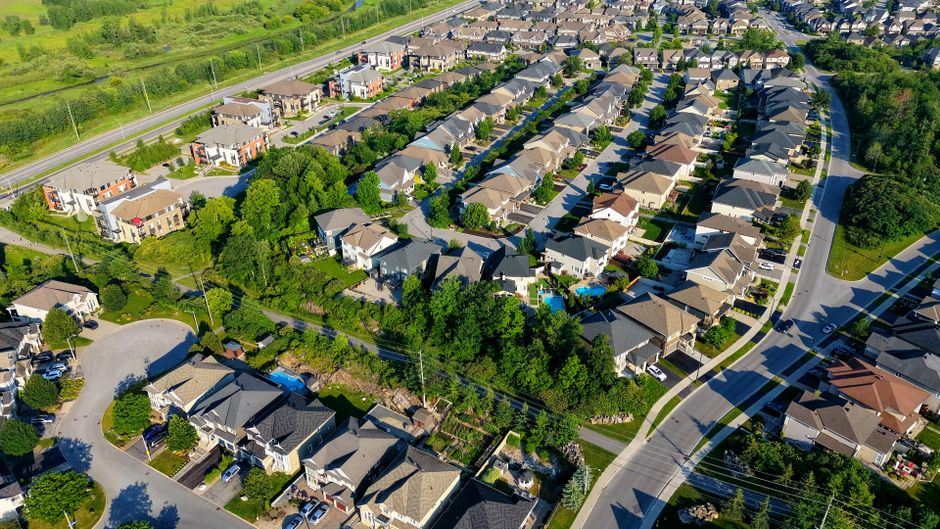
Importance of Walkability Scores
Walkability scores play a crucial role in urban planning and real estate development. These scores measure the ease and convenience of walking in a particular area by considering factors such as proximity to amenities, safety, and pedestrian infrastructure. A high walkability score indicates a pedestrian-friendly environment that promotes physical activity, reduces reliance on cars, and fosters a sense of community. Real estate developers and city planners use walkability scores to attract residents, enhance property values, and create vibrant, sustainable neighborhoods.
Case Studies on Urban Real Estate Value
Urban real estate values are directly influenced by walkability scores. Case studies have shown that properties located in highly walkable neighborhoods command higher prices and experience increased demand compared to those in car-dependent areas. The presence of walkable amenities such as parks, shops, restaurants, and public transit stations enhances the desirability of urban properties, leading to a positive impact on real estate values. Investors and homeowners alike recognize the financial benefits of investing in walkable communities, where accessibility and quality of life are key drivers of property value appreciation.
Strategies for Improving Walkability
Enhancing walkability in urban areas is crucial for fostering a vibrant community and increasing property values. One effective strategy is to invest in pedestrian-friendly infrastructure such as wider sidewalks, well-maintained crosswalks, and designated bike lanes. Implementing traffic calming measures like speed bumps and raised crosswalks can also encourage safer and more pleasant walking experiences. Furthermore, creating mixed-use developments that integrate residential, commercial, and recreational spaces within walking distance can further promote walkability.
Engaging the community through participatory planning processes can help identify specific areas for improvement and ensure that proposed changes align with residents’ needs and preferences. Collaborating with local businesses to establish amenities like cafes, shops, and green spaces can also enhance the overall walkability of a neighborhood. By prioritizing pedestrian infrastructure and fostering a pedestrian-friendly environment, cities can not only improve the quality of life for residents but also attract potential real estate investors looking for walkable urban properties.
Impact of Walkability on Property Values
Walkability has a significant impact on property values in urban areas. Properties located in walkable neighborhoods tend to command higher prices due to the convenience and accessibility they offer to residents. Walkable neighborhoods are often characterized by proximity to amenities such as parks, schools, grocery stores, and public transportation, which make daily tasks more convenient and decrease the reliance on cars.
Furthermore, walkability is closely linked to improved quality of life, as residents can easily walk or bike to various destinations, leading to a more active and healthier lifestyle. Studies have shown that properties with high walkability scores not only have higher resale values but also tend to appreciate at a faster rate compared to properties in less walkable areas. As urban populations continue to grow, the demand for walkable neighborhoods is expected to increase, further driving up property values in these areas.
Strategies for Improving Walkability
Walkability is a key factor in urban planning and real estate development. In order to enhance walkability in a community, several strategies can be implemented. One effective approach is to create mixed-use developments that integrate residential, commercial, and recreational spaces within close proximity. This not only reduces the need for long commutes but also encourages residents to walk to nearby amenities. Additionally, improving infrastructure such as sidewalks, crosswalks, and bike lanes can make walking safer and more convenient. By investing in public transportation options and designing pedestrian-friendly streetscapes, cities can further promote walkability and create vibrant, livable neighborhoods.
Impact of Walkability on Property Values
The walkability of a neighborhood has a significant impact on property values. Studies have shown that homes located in walkable areas command higher prices and tend to appreciate faster than those in car-dependent communities. Walkability is a desirable feature for homebuyers as it not only offers convenience but also contributes to a higher quality of life. Properties in walkable neighborhoods are often in high demand, attracting a diverse range of residents and businesses. As cities continue to prioritize walkability and sustainable urban development, the connection between walkability and property values is expected to become even more pronounced in the future.