
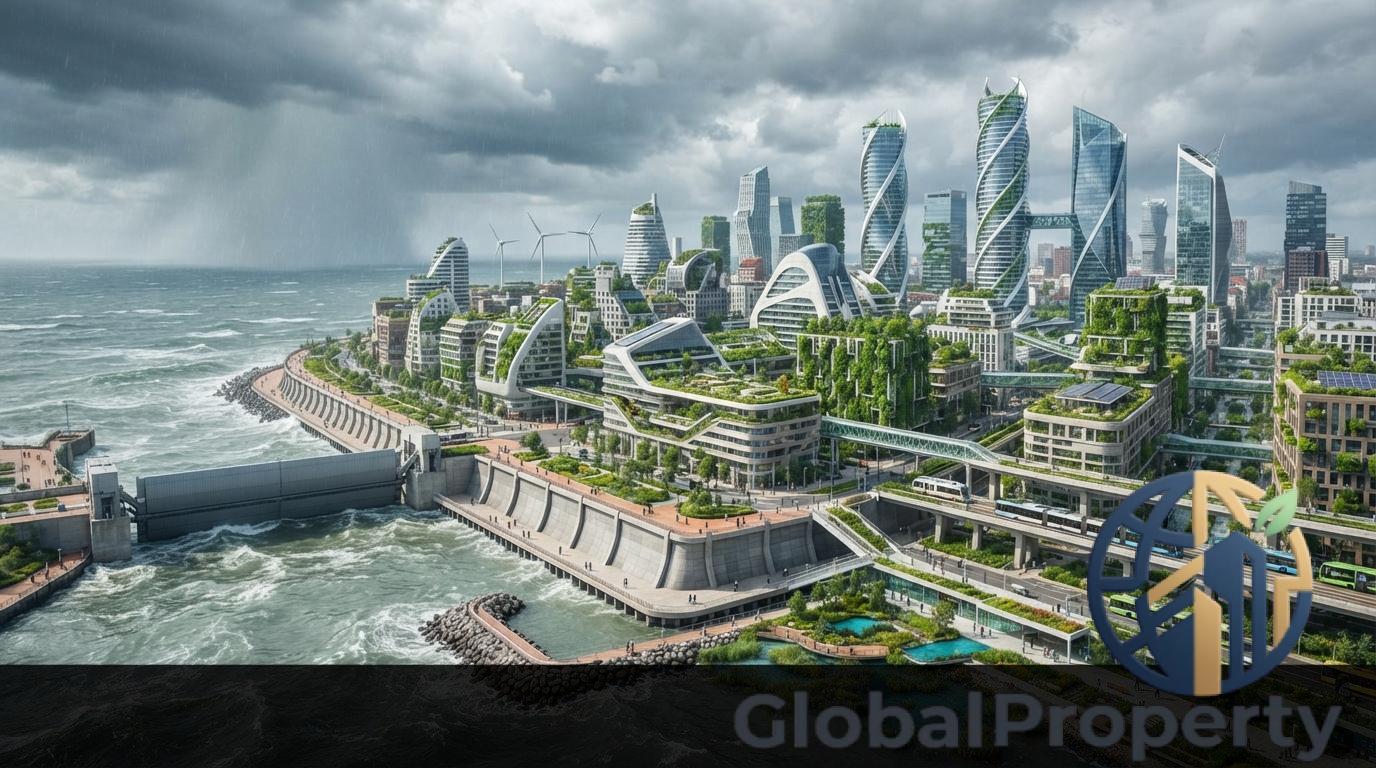
Are our cities truly prepared to face the growing threats of extreme weather events? This pressing question lies at the heart of urban development in the 21st century. As climate change accelerates, cities around the world are increasingly vulnerable to hurricanes, floods, heatwaves, and other natural disasters. The architectural landscape must adapt to ensure the safety and well-being of urban populations. The problem we face is clear: how can we design cities that are resilient enough to withstand these extreme weather conditions?
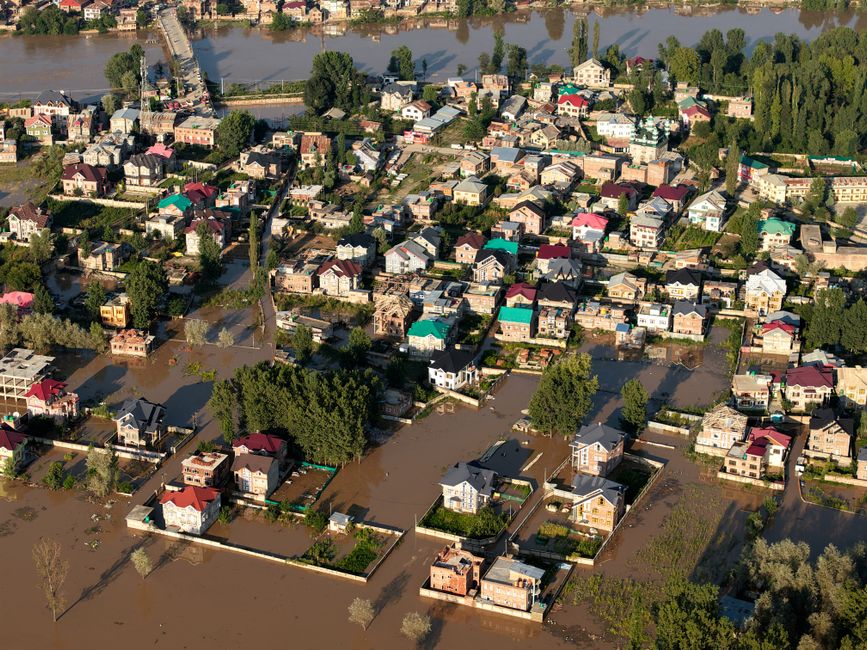
Imagine the chaos that ensues when a city is unprepared for a major weather event. Homes destroyed, infrastructure damaged, lives lost – the consequences of inadequate resilience planning are devastating. The economic toll of rebuilding after such disasters is astronomical, not to mention the emotional toll on affected communities. The frustration of witnessing preventable destruction can be overwhelming. It’s time to confront the harsh reality that our current urban design practices are not equipped to handle the increasing frequency and intensity of extreme weather events.
The solution lies in reimagining the architecture of our cities through a lens of resilience. By integrating innovative design principles, sustainable materials, and strategic urban planning, we can create cities that are not just able to withstand extreme weather but thrive in the face of adversity. Embracing a holistic approach to urban resilience is key to securing a sustainable future for generations to come. Let’s delve into the transformative power of designing cities to withstand extreme weather and explore how this architectural shift can pave the way for a more resilient and sustainable urban environment.
The Architecture of Resilience
Resilient architecture is essential in creating sustainable and adaptable structures that can withstand the challenges posed by extreme weather events. Architects and urban planners must prioritize designing buildings that are not only aesthetically pleasing but also durable and resilient. This involves incorporating innovative materials, efficient energy systems, and smart design principles to enhance the overall resilience of a structure. By integrating resilient architecture practices, cities can better prepare for and mitigate the impacts of climate change and extreme weather events.
Designing Cities to Withstand Extreme Weather
Designing cities to withstand extreme weather requires a holistic approach that considers the interconnectedness of urban infrastructure, architecture, and natural systems. By implementing green infrastructure, such as green roofs and permeable pavements, cities can improve water management and reduce the risk of flooding during heavy rainfall. Additionally, incorporating sustainable urban planning strategies, such as mixed land use development and pedestrian-friendly design, can enhance the overall resilience of cities to extreme weather events. Through thoughtful design and strategic planning, cities can become more resilient and better equipped to adapt to the changing climate.
The Architecture of Resilience
Resilient architecture is at the core of building cities that can withstand the challenges posed by extreme weather events. It involves designing structures with the ability to adapt and bounce back in the face of disasters such as hurricanes, floods, and heatwaves. Incorporating sustainable materials, energy-efficient systems, and flexible designs are key elements of resilience in architecture. By integrating innovative technologies and smart building practices, architects can create structures that not only survive extreme weather but also contribute to a more sustainable urban environment.
Resilient City Planning for Extreme Weather Events
City planning plays a crucial role in enhancing resilience to extreme weather events. Resilient city planning involves zoning regulations, land use policies, and infrastructure development that are designed to minimize the impact of disasters and protect the well-being of urban populations. By strategically locating critical infrastructure, creating green spaces, and implementing early warning systems, cities can better prepare for and respond to extreme weather events. Collaboration between urban planners, architects, policymakers, and community stakeholders is essential to develop comprehensive resilience plans that ensure cities can bounce back stronger after a disaster.
The Architecture of Resilience
The Architecture of Resilience focuses on creating structures that can withstand and adapt to extreme weather events. It involves incorporating innovative design techniques, materials, and technologies to ensure the longevity and durability of buildings in the face of challenges like hurricanes, floods, and heatwaves. By integrating resilient architecture principles, cities can reduce the impact of natural disasters and enhance the safety and well-being of their residents.
Urban Design Strategies for Climate Resilience
Urban Design Strategies for Climate Resilience encompass a holistic approach to city planning that addresses the challenges posed by climate change. It involves designing sustainable and adaptable urban spaces that can mitigate the effects of extreme weather events while promoting environmental sustainability and community well-being. By implementing green infrastructure, sustainable transportation systems, and resilient building practices, cities can enhance their resilience to climate change and create more livable and vibrant urban environments.
The Architecture of Resilience
Resilient architecture focuses on creating structures that can withstand various environmental challenges, such as extreme weather events and natural disasters. By incorporating innovative design elements and materials, architects aim to build structures that can adapt and recover quickly in the face of adversity. This approach not only enhances the safety and longevity of buildings but also contributes to the overall resilience of communities.
Designing Cities to Withstand Extreme Weather
When designing cities to withstand extreme weather, urban planners and architects need to consider a range of factors, including climate change projections and historical weather patterns. By implementing green infrastructure, such as permeable surfaces and green roofs, cities can better manage stormwater and reduce the impact of flooding. Additionally, incorporating resilient building codes and practices can help ensure that structures can withstand high winds, heavy rainfall, and other extreme weather conditions.
Resilient City Planning for Extreme Weather Events
Resilient city planning involves creating comprehensive strategies to prepare for and respond to extreme weather events. This includes identifying vulnerable areas, developing emergency response plans, and implementing measures to enhance community resilience. By integrating climate data and risk assessments into city planning processes, urban areas can better anticipate and mitigate the impact of extreme weather events on infrastructure and residents.
Urban Design Strategies for Climate Resilience
Urban design strategies for climate resilience focus on creating sustainable and adaptable urban environments that can withstand the challenges posed by a changing climate. This includes promoting compact, mixed-use development, enhancing green spaces, and prioritizing energy-efficient infrastructure. By incorporating climate-resilient design principles into urban planning, cities can reduce their carbon footprint, enhance biodiversity, and improve the overall quality of life for residents.
Building Resilient Infrastructure in Cities
Building resilient infrastructure in cities is essential for ensuring the long-term sustainability and functionality of urban areas. This involves investing in infrastructure that can withstand extreme weather events, such as reinforced bridges, flood-resistant buildings, and resilient transportation systems. By prioritizing the development of robust and adaptable infrastructure, cities can better protect residents, businesses, and critical services from the impacts of climate change and other environmental threats.
6. Climate-Resilient Architecture and Urban Planning
Climate-resilient architecture and urban planning are crucial components in creating sustainable and adaptable cities. By incorporating design elements that can withstand extreme weather events and mitigate climate change impacts, cities can better prepare for the challenges ahead. This approach involves utilizing materials and construction techniques that enhance durability and energy efficiency, as well as integrating green spaces and natural features to promote biodiversity and enhance urban resilience.
Furthermore, climate-resilient architecture focuses on creating buildings that are not only aesthetically pleasing but also environmentally friendly and able to withstand the changing climate patterns. Through innovative design strategies such as passive solar heating, natural ventilation systems, and green roofs, architects and urban planners can contribute to the development of sustainable and resilient cities that can thrive in the face of climate-related challenges.
Enhancing City Resilience through Sustainable Design
Sustainable design plays a crucial role in enhancing the resilience of cities against the impacts of climate change and extreme weather events. By integrating sustainable practices into urban planning and architecture, cities can reduce their environmental footprint, improve resource efficiency, and create healthier living environments for residents. Sustainable design principles focus on utilizing renewable energy sources, promoting green infrastructure, and minimizing carbon emissions.
Furthermore, sustainable design fosters long-term resilience by considering the interconnectedness of social, economic, and environmental factors. Through innovative approaches such as green building materials, energy-efficient technologies, and nature-based solutions, cities can adapt to changing climate conditions while mitigating risks posed by natural disasters. By prioritizing sustainability in city planning and infrastructure development, communities can build a more resilient future for generations to come.