
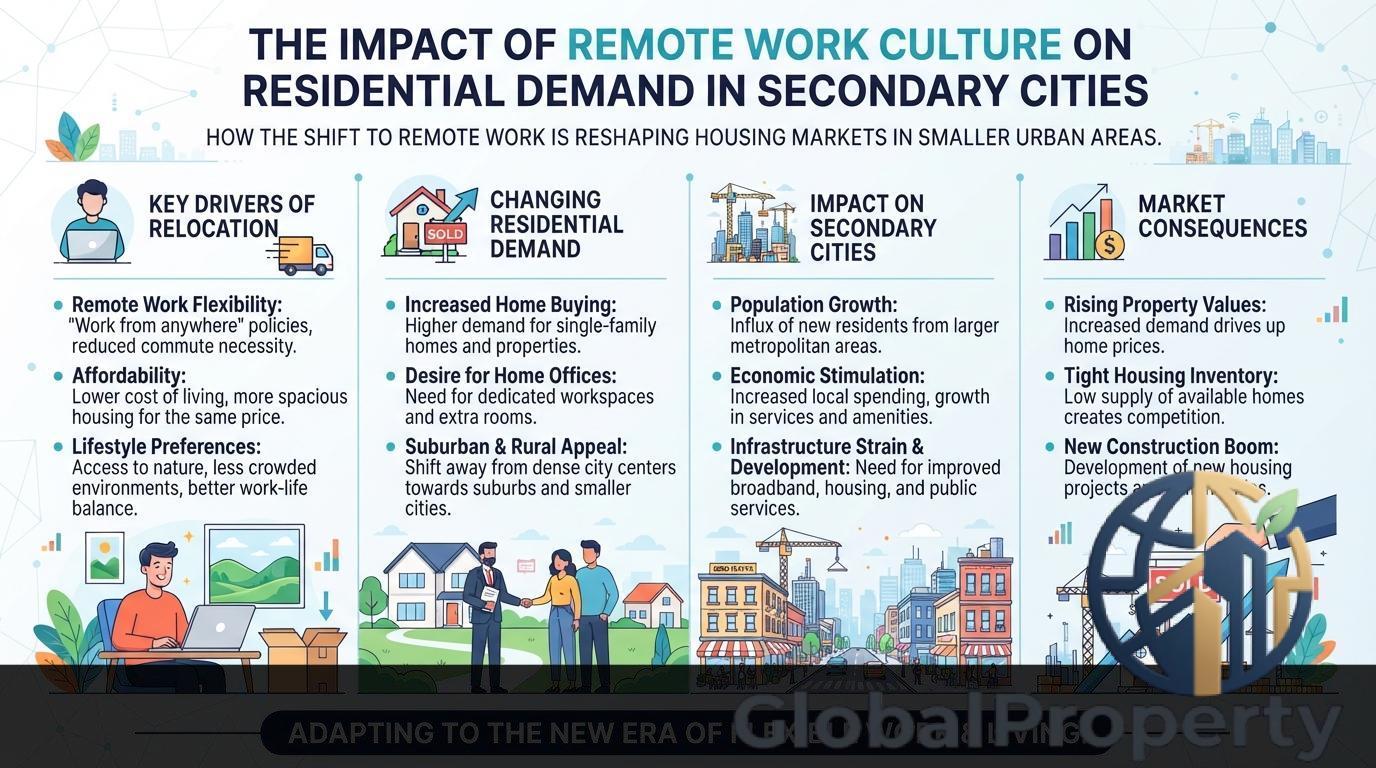
Have you ever found yourself dreaming of a perfect work-life balance, only to be faced with the harsh reality of a long commute and limited time for personal pursuits? The rise of remote work culture has promised to revolutionize the way we work, offering flexibility and freedom previously unimaginable. However, as more companies embrace this new paradigm, a pressing issue has emerged – the impact of remote work on residential demand in secondary cities. This shift is reshaping the real estate landscape and raising important questions about the future of urban planning and community development.
Imagine the frustration of being stuck in a cramped apartment in a bustling metropolis, paying exorbitant rent for a space that no longer meets your needs. The consequences of not addressing the changing dynamics of remote work culture are dire – overcrowded cities, soaring housing prices, and diminished quality of life for residents. As professionals increasingly opt for remote work arrangements, the demand for more spacious and affordable housing options in secondary cities is on the rise. This trend is not just a passing fad but a fundamental shift that requires careful consideration and strategic planning.
The solution to this complex problem lies in understanding the intricate relationship between remote work culture and residential demand in secondary cities. By exploring the key drivers behind this phenomenon and examining successful case studies, we can unlock valuable insights into how urban planners, policymakers, and real estate developers can adapt to this new reality. Join us on a journey through the evolving landscape of remote work and its impact on residential demand in secondary cities, as we uncover innovative solutions and opportunities for creating vibrant, sustainable communities that meet the needs of the modern workforce. Get ready to discover a new way of living and working that promises to transform the way we think about where we call home.
Remote Work Culture: Definition and Trends
Remote work culture refers to the work environment and practices that support employees working from locations outside of a traditional office setting. This trend has gained significant traction in recent years due to advancements in technology and changing attitudes towards work-life balance. With the rise of digital communication tools and cloud-based systems, employees can now collaborate effectively from different locations, leading to increased productivity and flexibility.
One of the key trends in remote work culture is the shift towards a more flexible work schedule, allowing employees to choose when and where they work best. This trend has been accelerated by the global pandemic, forcing many organizations to quickly adopt remote work policies. As companies realize the benefits of remote work, such as cost savings on office space and access to a wider talent pool, this trend is expected to continue growing in the future.
Residential Demand in Secondary Cities: Overview
Residential demand in secondary cities is on the rise as more people seek affordable housing options outside major metropolitan areas. Secondary cities offer a lower cost of living, less congestion, and often a better quality of life compared to larger cities. This trend is fueled by the increasing acceptance of remote work, allowing individuals to live further away from their workplace.
In recent years, secondary cities have seen a surge in demand for housing, leading to rising property prices and new development projects. Real estate developers are taking notice of this trend and are investing in residential projects in these cities to meet the growing demand. As more companies embrace remote work culture, the demand for housing in secondary cities is expected to continue increasing, making them attractive markets for real estate developers.
Remote Work Culture: Definition and Trends
Remote work culture refers to the practices, norms, and values that shape the way employees and employers interact in a virtual work environment. With the rise of technology and the increasing acceptance of telecommuting, remote work culture has seen significant growth in recent years. Companies are now embracing flexible work arrangements to attract top talent, increase productivity, and reduce overhead costs.
The trends in remote work culture include the adoption of digital communication tools, emphasis on work-life balance, and the shift towards outcome-based performance evaluation. As more businesses realize the benefits of remote work, we can expect to see continued evolution in how teams collaborate, communicate, and engage with each other in a virtual setting.
Residential Demand in Secondary Cities: Overview
Secondary cities are experiencing a surge in residential demand as people seek alternatives to high-priced urban centers. These cities offer a more affordable cost of living, better quality of life, and a sense of community that is often lacking in larger metropolitan areas. As remote work becomes more prevalent, individuals and families are choosing to relocate to secondary cities to enjoy a better work-life balance.
The growing residential demand in secondary cities is driving real estate development and investment in these areas. Developers are recognizing the potential for growth and are creating new housing options to accommodate the influx of residents. This trend is reshaping the real estate market and presenting opportunities for both developers and homebuyers looking for a change of scenery.
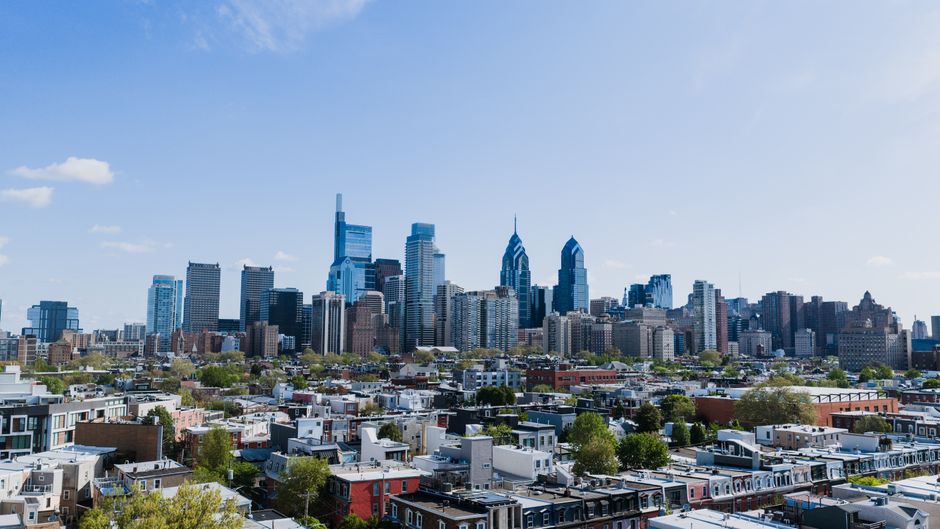
Factors Affecting Residential Demand in Secondary Cities
Location: The primary factor influencing residential demand in secondary cities is the location. Accessibility to major transportation hubs, proximity to urban amenities, and scenic surroundings play a crucial role in attracting homebuyers. Secondary cities with good connectivity to larger urban centers tend to experience higher demand due to the convenience they offer.
Economic Opportunities: The availability of job opportunities and economic growth potential are key determinants of residential demand in secondary cities. Areas with thriving industries, diverse employment options, and a business-friendly environment tend to attract more residents seeking stable employment and career advancement.
Housing Affordability: Affordability is a significant factor that drives residential demand in secondary cities. Compared to major metropolitan areas, secondary cities often offer more affordable housing options, making them attractive to first-time homebuyers, young professionals, and families looking for a better quality of life without the high cost of living.
Quality of Life: Factors such as safety, schools, healthcare facilities, recreational opportunities, and overall quality of life also influence residential demand in secondary cities. Cities that prioritize community well-being, sustainability, and cultural amenities tend to appeal to a wide range of homebuyers seeking a balanced lifestyle outside of the hustle and bustle of major urban centers.
Case Studies of Secondary Cities
Case Study 1: Austin, Texas
Overview: Austin has experienced a surge in residential demand due to its vibrant tech scene and cultural attractions. The city’s affordable cost of living and high quality of life have made it a popular choice for remote workers seeking a balance between work and leisure.
Impact on Real Estate: The residential market in Austin has seen a significant increase in property values and rental rates, with developers focusing on creating mixed-use developments to cater to the growing demand for live-work-play environments.
Case Study 2: Nashville, Tennessee
Overview: Nashville has emerged as a secondary city hotspot, attracting a diverse population seeking a dynamic urban lifestyle without the high costs of major metropolitan areas. The city’s music and entertainment scene, along with its strong job market, have fueled residential demand.
Real Estate Development: Developers in Nashville are focusing on revitalizing historic neighborhoods and creating modern, amenity-rich residential communities to meet the needs of remote workers and young professionals looking for affordable yet vibrant urban living options.
Implications for Real Estate Developers
Real estate developers in secondary cities need to acknowledge the growing demand for residential properties due to factors like remote work culture and lifestyle preferences. Understanding the unique characteristics of these cities and their appeal to a diverse demographic is crucial for developers to strategize their projects effectively. Adapting to changing trends in housing preferences and offering innovative solutions that cater to the needs of remote workers and families looking to relocate will be key to success.
Real estate developers must also consider the infrastructure development necessary to support the influx of residents in secondary cities. Investing in sustainable and inclusive urban planning can enhance the overall livability of these cities and attract more buyers. By aligning their projects with the evolving demands of the market and embracing digital technologies for efficient operations, developers can capitalize on the opportunities presented by the rise in residential demand in secondary cities.
Conclusion
In conclusion, the real estate market is undergoing significant shifts due to the rise of remote work culture and the increasing demand for residential properties in secondary cities. Developers must adapt to these changing trends by understanding the factors influencing residential demand in these areas and leveraging case studies to inform their strategies. By recognizing the implications of these trends, real estate developers can position themselves for success in a dynamic and evolving market.