
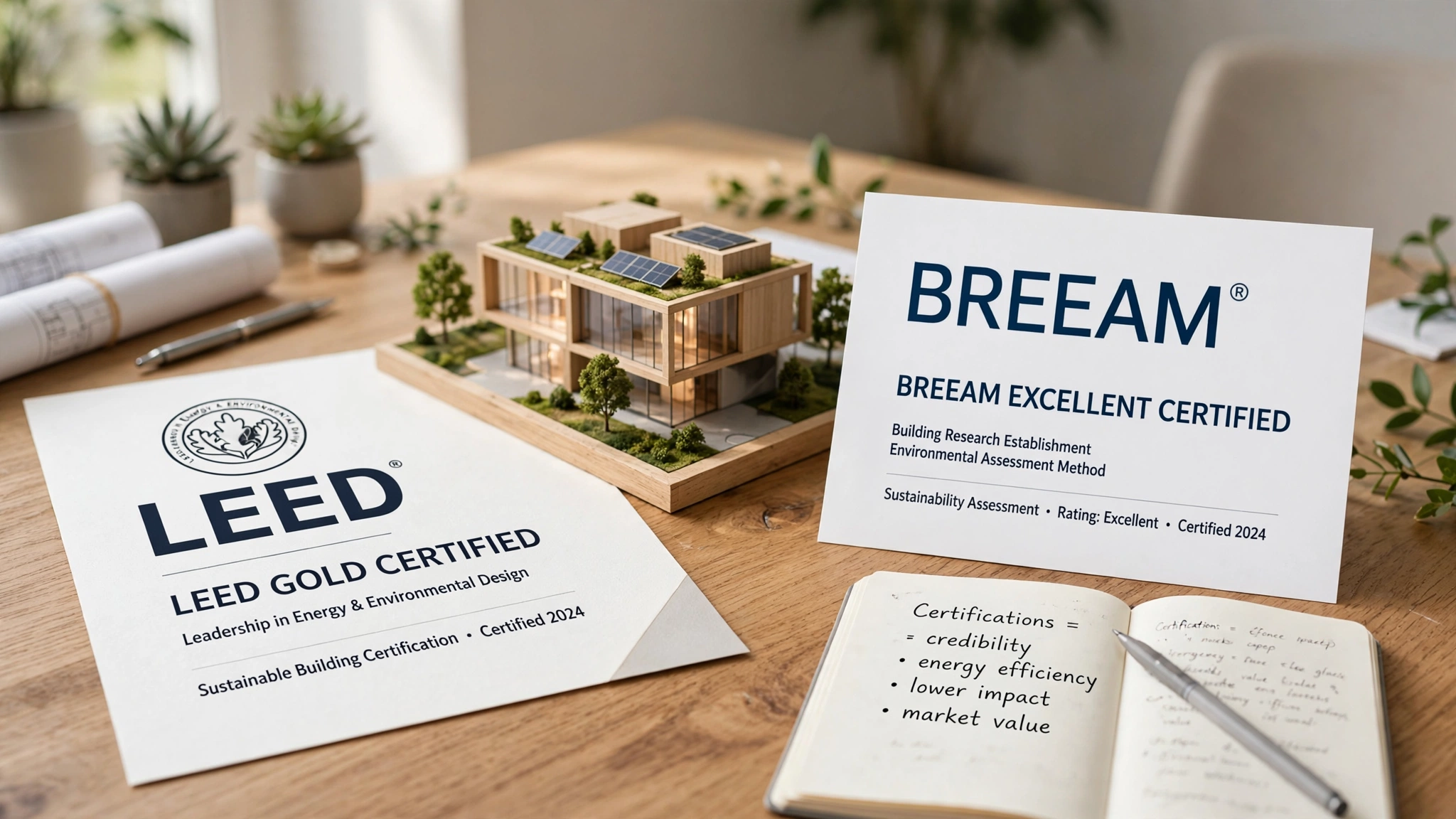
Are you passionate about sustainable architecture but feeling overwhelmed by the ever-evolving industry standards and certifications? As a professional navigating the realm of green building design, you likely understand the importance of certifications such as LEED (Leadership in Energy and Environmental Design) and BREEAM (Building Research Establishment Environmental Assessment Method). However, the complexity and array of options available can leave you questioning which certification is the right fit for your projects. This dilemma can hinder your progress in creating environmentally friendly and efficient structures that meet the highest sustainability standards.
Imagine the frustration of investing time, effort, and resources into sustainable architecture projects only to realize that they do not meet the rigorous standards set by industry certifications. The consequences of not choosing the most suitable certification can result in missed opportunities for recognition, financial incentives, and environmental impact reduction. Furthermore, without the proper certification, you may struggle to showcase the sustainability credentials of your projects to clients, investors, and the public, ultimately hindering your professional growth and project success.
Fear not, as we delve into the pivotal role that certifications like LEED and BREEAM play in sustainable architecture. By understanding the unique benefits, requirements, and implications of each certification, you can make informed decisions that align with your sustainability goals and project aspirations. Join us on this enlightening journey to discover how certifications can elevate your sustainable architecture endeavors, distinguish your projects in the market, and contribute to a greener, more sustainable future. Let’s unlock the potential of certifications in sustainable architecture together!
Understanding LEED Certification in Sustainable Architecture
LEED Certification is a widely recognized rating system that promotes sustainable building and development practices. It stands for Leadership in Energy and Environmental Design and is administered by the U.S. Green Building Council. Buildings that achieve LEED certification are evaluated based on criteria such as energy efficiency, water conservation, materials selection, and indoor environmental quality. LEED certification not only signifies a commitment to sustainability but also provides tangible benefits such as cost savings, increased property value, and improved occupant health and productivity.
Key Features of LEED Certification:
LEED certification offers different levels of recognition, ranging from Certified to Platinum, based on the number of points a project earns across various sustainability categories. Projects pursuing LEED certification must meet specific prerequisites and earn points through sustainable design and construction practices. LEED-certified buildings are designed to reduce environmental impact, enhance occupant comfort, and contribute positively to the community. By following the LEED guidelines, architects and developers can create buildings that are not only environmentally friendly but also economically viable in the long run.
Understanding LEED Certification in Sustainable Architecture
LEED Certification is one of the most widely recognized and respected green building certification programs globally. It stands for Leadership in Energy and Environmental Design and is administered by the U.S. Green Building Council (USGBC). LEED certification provides a framework for designing, constructing, operating, and maintaining environmentally friendly and resource-efficient buildings. Projects pursuing LEED certification must meet specific criteria across various categories, including sustainable site development, water efficiency, energy performance, materials selection, and indoor environmental quality.
LEED certification not only helps in reducing the environmental impact of buildings but also offers numerous benefits to project owners, occupants, and the environment. By following LEED guidelines, architects, designers, and developers can create healthier spaces, lower operating costs, increase property value, and contribute to a more sustainable future. Understanding the intricacies of LEED certification is crucial for professionals in the sustainable architecture industry to leverage its potential in creating high-performance and environmentally responsible buildings.
Exploring BREEAM Certification for Sustainable Buildings
BREEAM Certification stands for Building Research Establishment Environmental Assessment Method and is a leading sustainability assessment method for masterplanning projects, infrastructure, and buildings. Developed by the Building Research Establishment (BRE) in the United Kingdom, BREEAM certification evaluates the sustainability performance of developments across various criteria, such as energy efficiency, water usage, materials selection, and ecological impact. BREEAM assesses not only the design and construction phase but also the operational and post-occupancy stages of a building’s life cycle.
Exploring BREEAM certification for sustainable buildings provides a comprehensive understanding of how to enhance the environmental performance and sustainability of developments. By achieving BREEAM certification, project teams can demonstrate their commitment to sustainable practices, improve the overall quality of buildings, and enhance the well-being of occupants. BREEAM certification serves as a valuable tool for driving innovation in sustainable building design and construction, ultimately leading to a more sustainable built environment.

Benefits of Certifications in Sustainable Architecture
Obtaining certifications in sustainable architecture can bring a multitude of benefits to both professionals and organizations in the construction industry. These certifications serve as a stamp of approval that signifies a commitment to environmental responsibility and sustainable practices. They provide a structured framework for implementing green building strategies, ensuring that projects adhere to specific sustainability criteria.
Moreover, certifications can enhance a company’s reputation and credibility in the market, attracting environmentally conscious clients and partners. They also contribute to cost savings through energy efficiency and waste reduction measures. By fostering a culture of sustainability, certifications in sustainable architecture help drive innovation and long-term value creation for all stakeholders involved.
Implementing Sustainable Practices through Certifications
When it comes to implementing sustainable practices in architecture, certifications play a crucial role in guiding professionals towards environmentally friendly design and construction methods. These certifications provide a set of standards and best practices that promote the use of renewable resources, energy efficiency, and waste reduction.
By adhering to the requirements of certifications, architects and builders can create healthier and more sustainable buildings that have a reduced impact on the environment. This not only benefits the planet but also contributes to the well-being of occupants by providing a comfortable and eco-friendly living or working space. Through certifications, sustainable practices become ingrained in the industry, paving the way for a more sustainable future in architecture and construction.
Comparison of LEED and BREEAM in Sustainable Architecture
LEED (Leadership in Energy and Environmental Design) and BREEAM (Building Research Establishment Environmental Assessment Method) are two prominent certifications in sustainable architecture, each with its unique approach and criteria. LEED, developed by the U.S. Green Building Council, focuses on energy efficiency, water savings, materials selection, and indoor environmental quality. On the other hand, BREEAM, originating from the UK, assesses a building’s sustainability based on categories like energy, health and well-being, materials, management, pollution, transport, waste, and water.
When comparing LEED and BREEAM, it’s essential to consider their regional popularity and applicability. LEED is more widely recognized in the United States and some international markets, while BREEAM is predominant in Europe and parts of Asia. Organizations aiming for global sustainability standards may choose to pursue both certifications to demonstrate their commitment to environmental responsibility and meet diverse market requirements.
Implementing Sustainable Practices through Certifications
Sustainable architecture certifications play a crucial role in implementing sustainable practices within the construction industry. By adhering to certification standards such as LEED and BREEAM, architects and developers are guided towards utilizing eco-friendly materials, energy-efficient designs, and sustainable construction techniques. These certifications provide a framework for incorporating green building principles into every stage of a project, from planning to completion.
Moreover, sustainable architecture certifications help ensure that buildings are not only environmentally friendly but also promote the health and well-being of occupants. By focusing on aspects such as indoor air quality, natural lighting, and efficient use of resources, certified sustainable buildings offer a healthier and more comfortable environment for people to live and work in. Implementing sustainable practices through certifications is not just a trend but a necessity in creating a more sustainable and resilient built environment for the future.
Future Trends in Sustainable Architecture Certifications
As the world moves towards a more sustainable future, the role of certifications in sustainable architecture is becoming increasingly important. Future trends in sustainable architecture certifications are focused on incorporating advanced technologies, promoting circular economy principles, and enhancing resilience in buildings. One key trend is the integration of smart technologies that optimize energy usage, monitor indoor air quality, and promote overall sustainability. Another emerging trend is the emphasis on circular economy practices, which encourage the reuse of materials and resources to minimize waste and environmental impact. Additionally, future certifications are likely to place a greater emphasis on building resilience to climate change impacts, such as extreme weather events and rising sea levels, ensuring that structures are not only sustainable but also adaptable to changing environmental conditions.
Implementing Sustainable Practices through Certifications
Implementing LEED and BREEAM Certifications
Implementing sustainable practices through certifications such as LEED and BREEAM is a strategic approach to ensuring environmentally conscious construction and design. LEED certification focuses on energy efficiency, water conservation, and sustainable materials, offering a comprehensive framework for sustainable building practices. BREEAM certification, on the other hand, emphasizes a holistic approach to sustainability, considering factors such as ecology, pollution, and health and well-being. By implementing these certifications, architects and builders can demonstrate their commitment to sustainable practices, reduce environmental impact, and create healthier, more efficient buildings. Moreover, achieving LEED or BREEAM certification can enhance a project’s marketability, attract environmentally conscious clients, and contribute to a more sustainable built environment.