
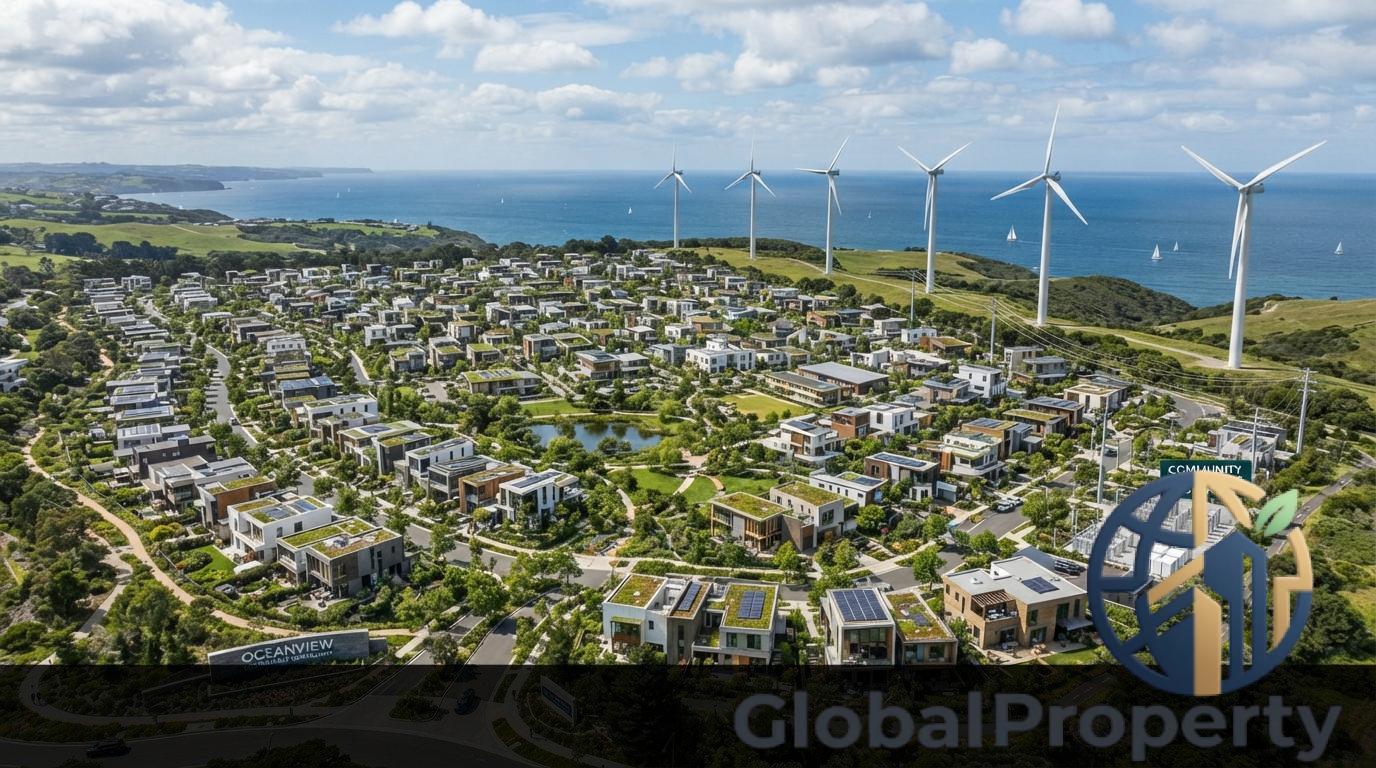
Do you ever find yourself pondering the sustainability of our energy sources, especially in the context of large-scale residential developments? The core problem we face today is the increasing demand for energy in these communities, coupled with the urgent need to shift towards renewable sources. Imagine a world where traditional energy grids struggle to keep up with the rising consumption, leading to higher costs, environmental degradation, and overall inefficiency. This scenario paints a grim reality for the future of residential developments worldwide.
Now, let’s delve deeper into the repercussions of not addressing this pressing issue. Picture a neighborhood where power outages are frequent, energy bills skyrocket, and carbon emissions continue to escalate, contributing to the global climate crisis. The reliance on non-renewable energy sources not only drains financial resources but also hampers our efforts to combat climate change effectively. The consequences of inaction are dire, affecting not only the residents of these communities but also the environment we all share.
But fret not, there is a beacon of hope on the horizon – wind energy integration for large-scale residential developments. By harnessing the power of wind, we can create a sustainable, cost-effective, and environmentally friendly solution to our energy needs. Imagine communities powered by clean, renewable energy, where residents enjoy stable electricity supply, reduced energy costs, and a sense of pride in contributing to a greener future. The potential for wind energy integration in residential developments is vast, offering a beacon of hope in our quest for sustainable living. Join us on this journey towards a brighter, cleaner future powered by the wind.
Benefits of Wind Energy for Large-Scale Residential Developments
Wind energy presents a multitude of benefits for large-scale residential developments. One of the key advantages is the potential for significant cost savings on electricity bills, as wind power is a renewable energy source that can help reduce reliance on traditional fossil fuels. This can lead to long-term financial benefits for both residents and property developers. Additionally, incorporating wind energy into residential developments can help reduce carbon emissions and promote sustainability, aligning with the growing global focus on environmentally friendly practices. By harnessing the power of wind, residential communities can contribute to a greener future and demonstrate a commitment to clean energy solutions.
Furthermore, the installation of wind turbines in residential areas can also provide a sense of energy independence, as residents have the opportunity to generate their own power. This not only enhances the resilience of the community in the face of potential energy disruptions but also fosters a sense of empowerment among residents. Overall, the benefits of integrating wind energy into large-scale residential developments extend beyond financial savings to encompass environmental stewardship, energy security, and community engagement.
Challenges of Integrating Wind Energy in Residential Settings
Integrating wind energy in residential settings presents various challenges that need to be carefully addressed to ensure successful implementation. One major challenge is the intermittency of wind power, as wind speed is variable and not always consistent. This inconsistency can lead to fluctuations in energy generation, requiring effective energy storage solutions to ensure a stable power supply. Additionally, the visual impact of wind turbines in residential areas can be a concern for some residents, necessitating careful planning and community engagement to address aesthetic considerations. Furthermore, the noise generated by wind turbines and potential impact on wildlife are important factors to consider when integrating wind energy in residential settings.
Case Studies of Successful Wind Energy Integration Projects
Several successful case studies demonstrate the effective integration of wind energy in residential developments, showcasing the benefits and feasibility of this renewable energy source. For example, the Block Island Wind Farm off the coast of Rhode Island in the United States has provided clean energy to the local community, reducing reliance on fossil fuels and lowering carbon emissions. The London Array in the UK is another notable project that demonstrates large-scale wind energy integration in a residential setting, powering thousands of homes with clean electricity. These case studies highlight the importance of strategic planning, technological innovation, and community support in achieving successful wind energy integration projects.
Case Studies of Successful Wind Energy Integration Projects
Several notable projects have successfully integrated wind energy into residential developments, showcasing the viability and benefits of this renewable energy source. One such project is the Texas Wind Energy Clearinghouse, which implemented a community-based wind energy program that significantly reduced electricity costs for residents while promoting sustainability. Another successful case is the Block Island Wind Farm off the coast of Rhode Island, the first offshore wind farm in the United States. This project not only provides clean energy for thousands of homes but also serves as a model for future offshore wind developments.
Technologies for Efficient Wind Energy Harvesting
Advancements in wind energy technologies have greatly improved the efficiency of harvesting wind power for residential use. Innovations such as advanced turbine designs, smart grid integration, and energy storage solutions have made wind energy more reliable and cost-effective. Additionally, the development of micro wind turbines and vertical axis wind turbines has enabled homeowners to harness wind energy on a smaller scale, making it more accessible for residential use. These technologies play a crucial role in maximizing the potential of wind energy integration in residential settings.
Technologies for Efficient Wind Energy Harvesting
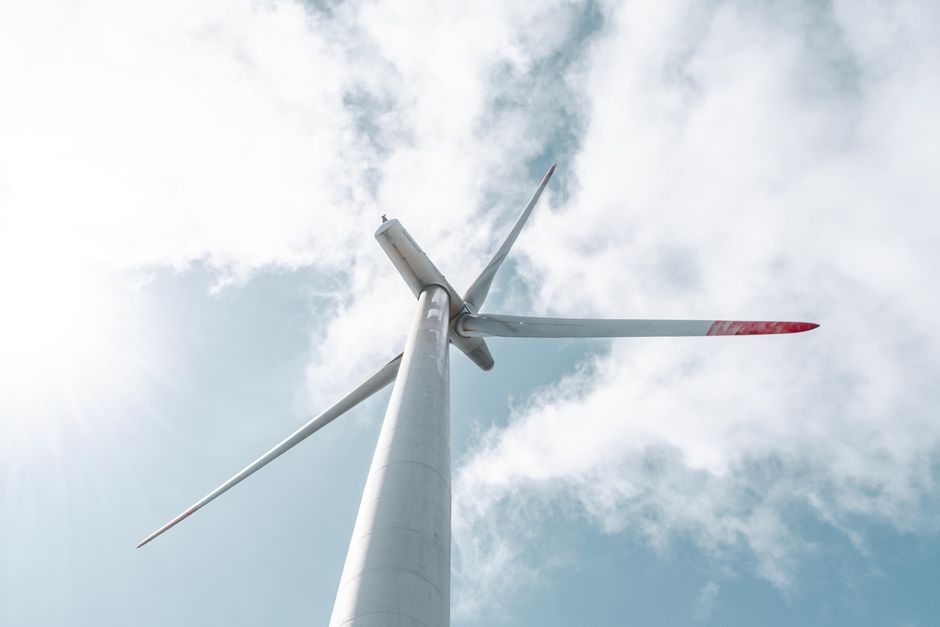
Wind Turbines: Wind turbines are the most common technology used for harvesting wind energy. These structures convert the kinetic energy of the wind into mechanical power, which can then be used to generate electricity. Modern wind turbines are equipped with advanced technology such as aerodynamic blades and efficient generators to maximize energy production.
Energy Storage Systems: To address the intermittent nature of wind energy, energy storage systems play a crucial role in storing excess energy generated during windy periods for use during calm periods. Technologies such as batteries, flywheels, and pumped hydro storage are utilized to store and release energy as needed, ensuring a reliable energy supply.
Economic Considerations in Wind Energy Integration
Initial Investment: One of the main economic considerations in wind energy integration is the initial investment required to set up wind energy systems. While the upfront costs can be significant, the long-term benefits in terms of reduced energy bills and potential revenue from excess energy production can outweigh the initial expenses.
Return on Investment (ROI): Calculating the ROI of wind energy integration involves analyzing the cost savings and revenue generation over the lifespan of the system. Factors such as maintenance costs, energy prices, and government incentives can impact the ROI of wind energy projects, making it essential to conduct a thorough economic analysis before implementation.
Technologies for Efficient Wind Energy Harvesting
Wind turbines: Wind turbines are the most common technology used for harvesting wind energy. These structures convert the kinetic energy of the wind into mechanical power, which is then converted into electricity. Various types of wind turbines exist, including horizontal-axis and vertical-axis turbines.
Smart grids: Smart grids play a crucial role in efficiently integrating wind energy into the existing power grid. These advanced systems enable real-time monitoring and control of energy distribution, allowing for optimal utilization of renewable energy sources like wind power.
Economic Considerations in Wind Energy Integration
Economic considerations play a significant role in the successful integration of wind energy in residential settings. Initial setup costs, maintenance expenses, and return on investment are key factors that need to be carefully evaluated. Incentives such as tax credits and subsidies can help offset some of the costs associated with wind energy integration, making it a more attractive option for developers and homeowners alike.
Furthermore, the long-term economic benefits of harnessing wind energy, such as reduced energy bills and potential revenue from selling excess electricity back to the grid, make it a financially viable and sustainable choice for large-scale residential developments looking to adopt renewable energy solutions.
Future Trends in Wind Energy for Residential Developments
Future trends in wind energy for residential developments are focused on improving efficiency, reducing costs, and increasing sustainability. One key trend is the development of advanced storage technologies to store excess wind energy for later use, ensuring a stable and reliable energy supply. Another trend is the integration of smart grid technologies to optimize energy distribution and consumption, allowing homeowners to better manage their energy usage and reduce waste.
Furthermore, advancements in turbine design and materials are leading to more efficient and quieter wind energy systems, making them more suitable for residential areas. Innovations in digital monitoring and control systems are also emerging, enabling real-time monitoring and optimization of wind energy production. Overall, the future of wind energy in residential developments looks promising, with continued advancements driving greater adoption and sustainability.