
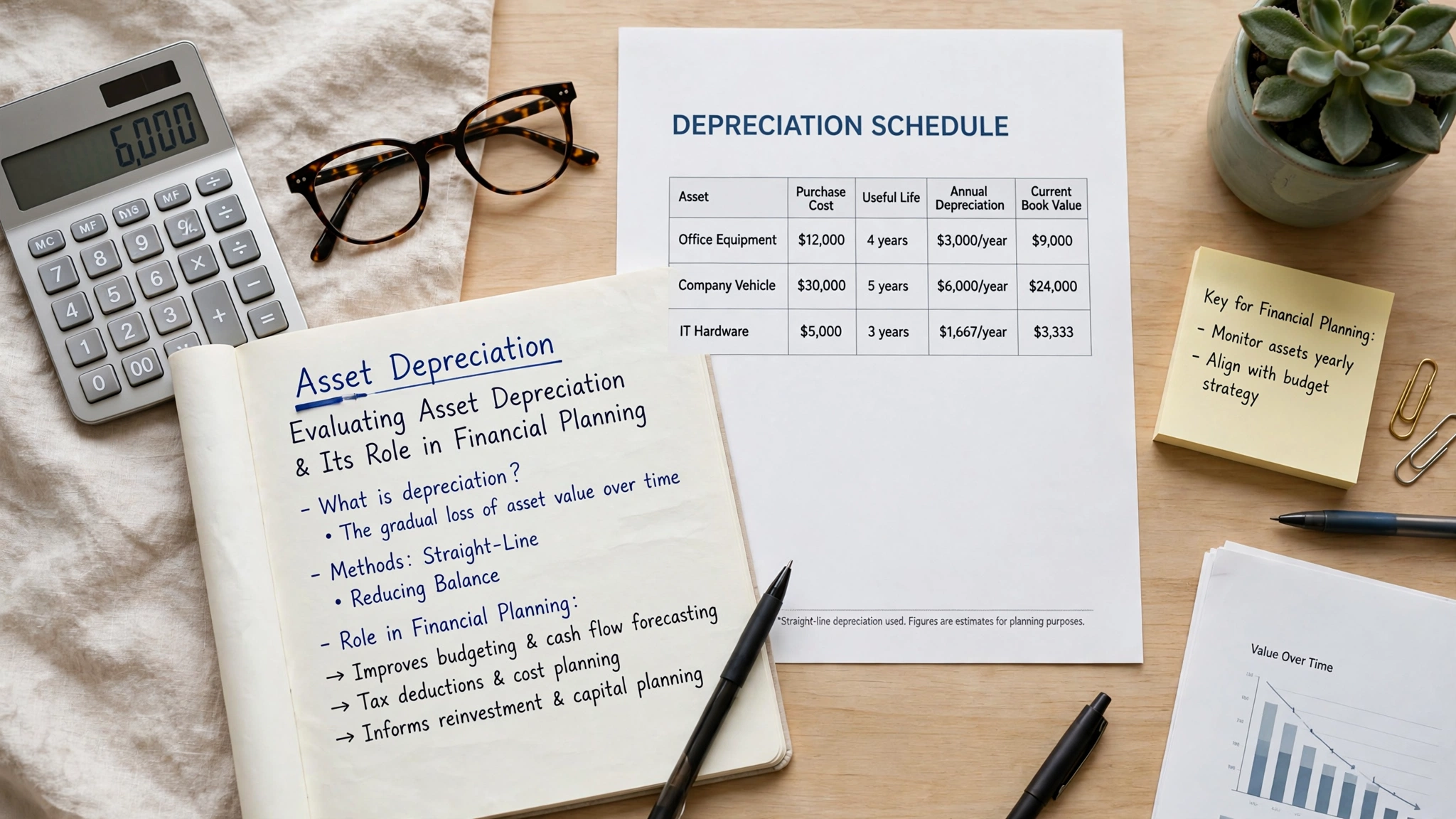
Are you struggling to understand how asset depreciation impacts your financial planning? It’s a common challenge that many individuals and businesses face when trying to manage their resources effectively. Asset depreciation, the decrease in value of tangible assets over time, plays a crucial role in determining the true financial health of an entity. Without a clear understanding of this concept, you may find yourself making inaccurate financial projections or underestimating the impact on your bottom line.
Imagine the frustration of not being able to accurately assess the value of your assets due to depreciation. This lack of insight can lead to poor decision-making, potentially resulting in financial losses or missed opportunities for growth. Moreover, ignoring the effects of asset depreciation can lead to tax implications and compliance issues that could have been easily avoided with proper planning and evaluation.
But fear not, there is a solution to demystify asset depreciation and empower you to make informed financial decisions. By gaining a comprehensive understanding of how asset depreciation works and its implications for financial planning, you can proactively strategize to maximize your resources and optimize your financial performance. Let’s dive deep into the world of asset depreciation and equip ourselves with the knowledge and tools needed to navigate the complex terrain of financial planning with confidence and precision.
2. Understanding Asset Depreciation
Asset depreciation refers to the gradual decrease in the value of a tangible asset over time due to factors such as wear and tear, obsolescence, or usage. Understanding asset depreciation is crucial for businesses as it impacts financial statements, tax calculations, and overall financial health. By recognizing and accounting for asset depreciation, companies can accurately reflect the true value of their assets on their balance sheets.
6. Importance of Asset Depreciation in Financial Planning
The importance of asset depreciation in financial planning cannot be overstated. By estimating and accounting for asset depreciation, businesses can make informed decisions regarding capital investments, budgeting, and forecasting. Properly managing asset depreciation allows companies to allocate resources efficiently, plan for future asset replacements, and ensure accurate financial reporting. In essence, asset depreciation plays a vital role in maintaining the financial stability and sustainability of an organization.
Understanding Asset Depreciation
Asset depreciation is a crucial concept in accounting and finance that refers to the decrease in value of a tangible asset over time. This decline in value occurs due to factors such as wear and tear, obsolescence, or usage. Understanding asset depreciation is essential for businesses to accurately reflect the true value of their assets on their financial statements.
Methods of Calculating Asset Depreciation
There are several methods of calculating asset depreciation that businesses can utilize, including straight-line depreciation, double-declining balance depreciation, units of production depreciation, and sum-of-the-years’ digits depreciation. Each method has its own advantages and considerations, and the choice of method can impact financial statements and tax obligations.

Understanding Asset Depreciation
Asset depreciation refers to the decrease in the value of a tangible asset over time due to factors such as wear and tear, obsolescence, or deterioration. Understanding asset depreciation is crucial for businesses as it impacts the financial health and reporting accuracy. By recognizing the depreciation of assets, businesses can accurately reflect their true value in financial statements, which is essential for making informed decisions regarding asset management and replacement.
Methods of Calculating Asset Depreciation
There are several methods of calculating asset depreciation, including straight-line depreciation, declining balance depreciation, units of production depreciation, and sum-of-the-years-digits depreciation. Each method has its own advantages and applications, depending on the nature of the asset and the organization’s accounting policies. Properly determining the most appropriate depreciation method is crucial for accurately reflecting the asset’s value over its useful life.
Impact of Asset Depreciation on Financial Statements
The impact of asset depreciation on financial statements is significant as it directly affects a company’s profitability, balance sheet, and cash flow. Depreciation expense reduces the net income reported on the income statement, which in turn affects the company’s tax liability. On the balance sheet, accumulated depreciation reduces the carrying value of assets, providing a more accurate representation of their current value. Understanding and properly accounting for asset depreciation is essential for maintaining financial transparency and compliance.
Strategies for Managing Asset Depreciation
Implementing strategies for managing asset depreciation is crucial for optimizing asset utilization and minimizing financial impact. Businesses can consider techniques such as regular maintenance, asset upgrades, timely replacement, and strategic planning to extend the useful life of assets and reduce depreciation expenses. By proactively managing asset depreciation, organizations can enhance operational efficiency, improve financial performance, and ensure sustainable growth.
Strategies for Managing Asset Depreciation
Effective management of asset depreciation is crucial for maintaining the financial health of a business. One strategy is to regularly review and update depreciation methods to ensure accuracy and compliance with accounting standards. Utilizing technology such as asset management software can streamline the process and provide better insights into depreciation trends.
Proper maintenance and timely repairs of assets can also help prolong their useful life and reduce depreciation expenses. Additionally, implementing a proactive asset replacement plan can help mitigate the impact of depreciation on financial statements by ensuring that outdated or obsolete assets are replaced in a timely manner.
Importance of Asset Depreciation in Financial Planning
Asset depreciation plays a crucial role in financial planning for businesses of all sizes. By accurately accounting for the decrease in value of assets over time, organizations can make informed decisions regarding budgeting, forecasting, and overall financial health. Understanding how assets depreciate allows companies to allocate resources effectively, plan for future capital expenditures, and assess the true cost of ownership. Additionally, proper management of asset depreciation can lead to tax benefits and improved cash flow management.
Conclusion
In conclusion, asset depreciation is a fundamental concept in financial management that impacts various aspects of a company’s operations. By comprehensively grasping the methods of calculating depreciation, analyzing its impact on financial statements, and implementing strategies to manage it effectively, businesses can enhance their financial planning processes and ensure long-term sustainability. Recognizing the importance of asset depreciation is essential for making sound financial decisions and maintaining a competitive edge in today’s dynamic business environment.
Strategies for Managing Asset Depreciation
Effective management of asset depreciation is crucial for maintaining financial health and maximizing profitability. One key strategy is to regularly review and update depreciation schedules to reflect the actual wear and tear of assets. By accurately calculating depreciation expenses, businesses can better allocate resources and make informed decisions regarding asset maintenance, repair, or replacement. Additionally, implementing preventive maintenance programs can help extend the useful life of assets, reducing the rate of depreciation over time. Another important strategy is to consider alternative depreciation methods, such as the straight-line method or the double-declining balance method, to optimize tax benefits and financial reporting.
Importance of Asset Depreciation in Financial Planning
Asset depreciation plays a vital role in financial planning by providing insights into the true value of assets over their useful life. Understanding depreciation helps businesses forecast future expenses, set realistic budgets, and assess the overall financial health of the organization. By incorporating depreciation into financial plans, companies can make informed decisions regarding investments, expansion, and cost-saving measures. Furthermore, accurate depreciation calculations aid in determining the fair market value of assets, which is essential for financial reporting and compliance with accounting standards. Ultimately, integrating asset depreciation into financial planning processes enhances transparency, efficiency, and long-term sustainability.