
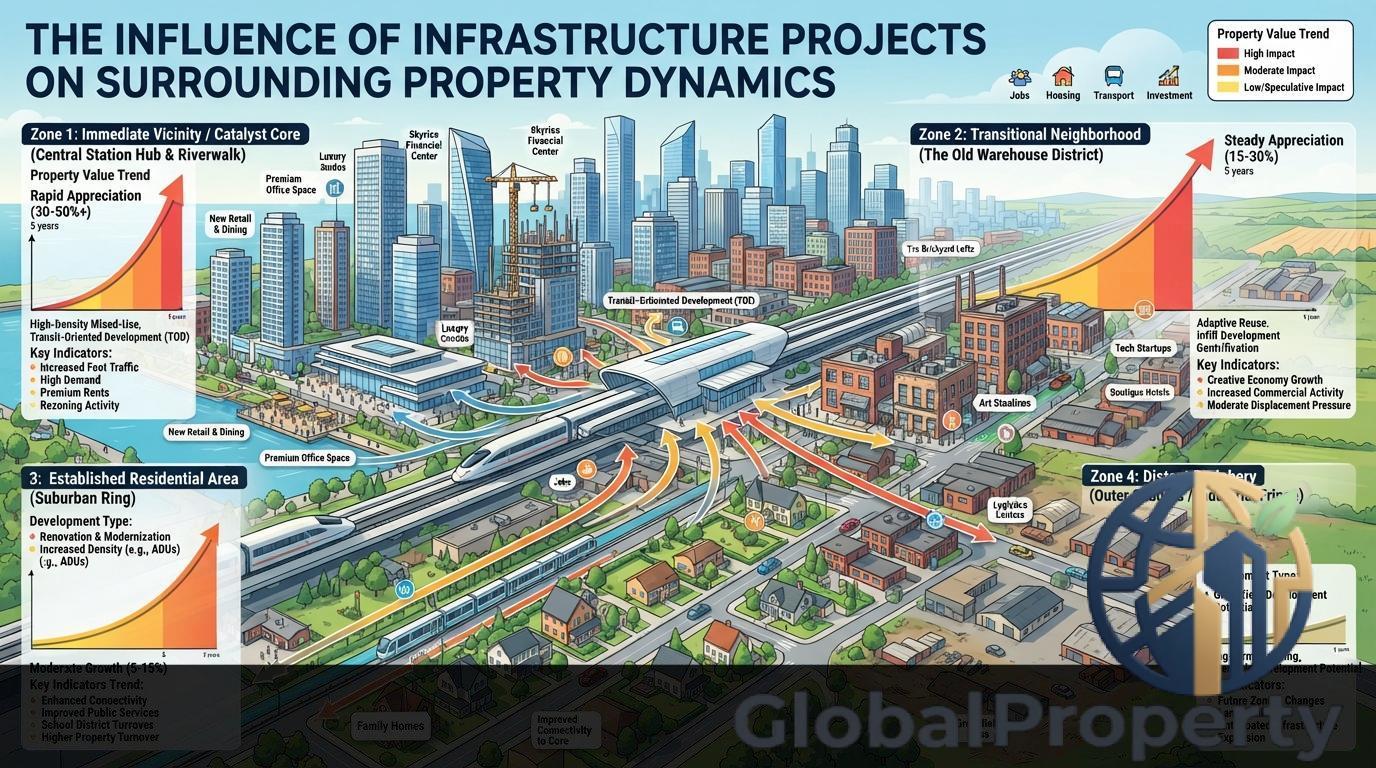
Imagine living in a neighborhood where the landscape is constantly changing due to ongoing infrastructure projects. The noise, dust, and disruption to daily life can be overwhelming. But have you ever stopped to consider how these projects impact the property dynamics in the area? From plummeting property values to unforeseen opportunities for growth, the influence of infrastructure projects on surrounding properties is a topic worthy of exploration.
As you navigate the streets lined with construction cones and detour signs, you may find yourself wondering about the long-term effects on your property value. The uncertainty surrounding the future of your investment can lead to sleepless nights and mounting stress. Will your once-desirable location become less attractive to potential buyers or renters? The fear of financial loss looms large as the bulldozers continue their work, reshaping the very fabric of your community.
But fret not, for amidst the chaos lies a glimmer of hope and opportunity. Understanding the intricate relationship between infrastructure projects and property dynamics can empower you to make informed decisions that could potentially turn the tide in your favor. By unraveling the complexities of this symbiotic connection, you can not only protect your investment but also position yourself to capitalize on the transformations taking place around you. Join us on a journey of discovery as we delve into the fascinating world where construction meets real estate, and unlock the secrets to thriving in the midst of change.
Urban Development and Property Appreciation
Urban development plays a crucial role in property appreciation, as it involves the planning and execution of projects that enhance the quality of life in a city. Infrastructure upgrades such as new transportation systems, parks, shopping centers, and schools can significantly boost property values in surrounding areas. As cities grow and evolve, the demand for real estate in well-developed urban areas tends to increase, leading to higher property prices. Developers often focus on urban areas with strong infrastructure and amenities, as these locations are more attractive to potential buyers and tenants.
Infrastructure Projects and Property Investment Opportunities
Infrastructure projects present lucrative investment opportunities for property investors looking to capitalize on the potential for property appreciation. Investing in real estate in areas undergoing infrastructure development can yield significant returns, as property values tend to increase as a result of improved accessibility, amenities, and overall quality of life. As cities expand and modernize their infrastructure, investors can strategically acquire properties in up-and-coming neighborhoods to benefit from the anticipated growth in property values. Understanding the relationship between infrastructure projects and property investment is key to identifying profitable opportunities in the real estate market.
Infrastructure Upgrades and Real Estate Market Trends
Infrastructure upgrades play a crucial role in shaping real estate market trends. When infrastructure projects are initiated or completed in a certain area, property values tend to increase due to improved accessibility, connectivity, and overall quality of life. For example, the construction of new highways, bridges, or public transportation systems can make a neighborhood more desirable for potential buyers or investors. This increased demand often leads to a rise in property prices and a boost in real estate activity in the area.
Furthermore, infrastructure upgrades can also attract commercial developments such as shopping centers, office buildings, or recreational facilities, further enhancing the overall appeal of the neighborhood. Real estate investors and developers are keenly aware of the impact of infrastructure upgrades on property values and are often quick to capitalize on these opportunities to maximize their returns on investment.
Property Market Response to Infrastructure Improvements
Infrastructure improvements have a direct and immediate impact on the property market, influencing both supply and demand dynamics. When infrastructure projects such as new roads, bridges, or public utilities are introduced or enhanced, the value of surrounding properties tends to appreciate as the area becomes more attractive for potential buyers or tenants. This increased demand can lead to a competitive market environment, with properties selling or renting at higher prices.
Moreover, infrastructure improvements can also spur further development and investment in the area, creating a ripple effect that benefits the entire real estate market. As the quality of infrastructure improves, property owners may see higher returns on their investments, while buyers and renters may find better housing options in well-connected and developed neighborhoods. Overall, infrastructure improvements play a key role in driving the property market response and shaping the future growth of real estate markets.
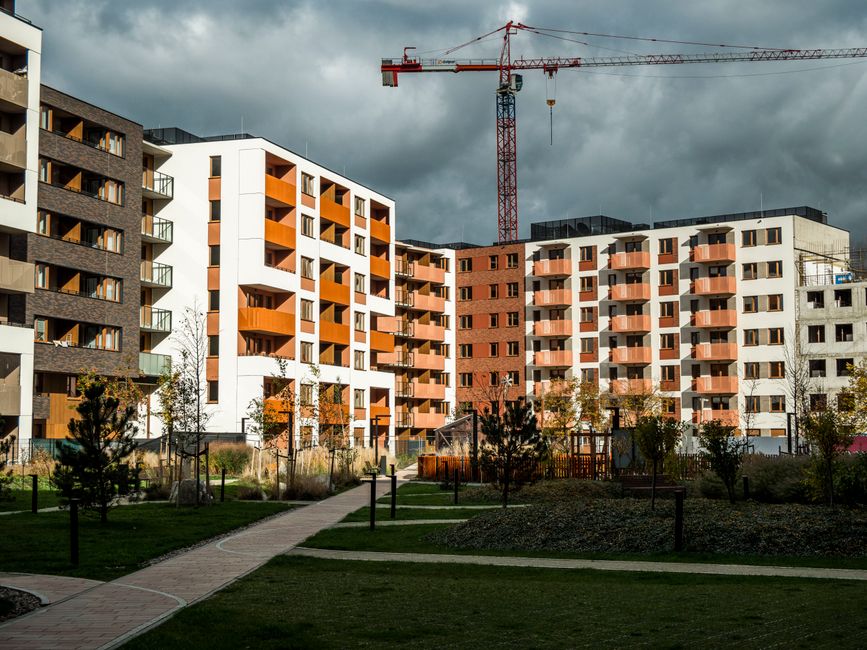
Relationship Between Infrastructure Investments and Property Prices
Infrastructure investments play a crucial role in shaping property prices and values. When governments or private entities make significant investments in infrastructure projects such as transportation networks, utilities, or public amenities, nearby properties often experience a boost in value. The proximity to well-maintained infrastructure can make an area more desirable for potential buyers or tenants, leading to increased demand and subsequently higher property prices. Additionally, infrastructure projects can improve accessibility, connectivity, and overall quality of living in an area, further driving up property prices.
Economic Effects of Infrastructure Development on Real Estate
Real estate markets are intricately linked to infrastructure development, with positive economic effects stemming from well-planned infrastructure projects. As infrastructure improves, businesses are more likely to invest in the area, leading to job creation and economic growth. This, in turn, can drive up property values as demand for housing and commercial spaces increases. Moreover, improved infrastructure can attract more tourists or visitors, boosting the hospitality sector and creating additional opportunities for property investment.
5. Economic Effects of Infrastructure Development on Real Estate
Infrastructure development plays a crucial role in shaping the economic landscape of real estate markets. When governments invest in improving transportation, utilities, and public amenities, it often leads to increased property values and market demand. Improved infrastructure can attract businesses, residents, and investors to an area, driving up real estate prices and creating a ripple effect of economic growth. Additionally, infrastructure projects can enhance the overall quality of life in a region, making it more desirable for potential buyers or tenants.
6. Infrastructure Projects and Property Investment Opportunities
Infrastructure projects present unique investment opportunities for savvy real estate investors. As infrastructure developments take shape, property values in surrounding areas tend to appreciate, offering potential for significant returns on investment. Investors can strategically target properties located near planned infrastructure projects to capitalize on the anticipated growth and demand. Moreover, properties situated in areas with upgraded infrastructure often experience increased rental yields and long-term appreciation, making them attractive assets for those looking to diversify their real estate portfolios.
Infrastructure Projects and Property Investment Opportunities
Infrastructure projects can have a significant impact on property investment opportunities. As cities and regions invest in improving their infrastructure, such as building new roads, bridges, or public transportation systems, property values in those areas tend to increase. This creates opportunities for real estate investors to capitalize on the potential appreciation of properties located near these infrastructure projects.
Investing in properties near upcoming infrastructure developments can be a strategic move to benefit from the anticipated rise in property values. Additionally, properties in areas with improved infrastructure often attract more buyers and tenants, leading to higher rental yields and potential capital gains for investors. Keeping an eye on planned infrastructure projects and understanding their potential impact on property values can help investors make informed decisions and maximize their returns in the real estate market.
Property Market Response to Infrastructure Improvements
When it comes to infrastructure improvements, the property market tends to respond positively. Upgrades in infrastructure, such as the development of new public amenities, transportation networks, or utility services, can enhance the overall appeal and livability of a location. As a result, property values in areas with improved infrastructure may experience appreciation as demand for housing in those areas increases.
Real estate developers and investors often closely monitor infrastructure improvements as they can significantly influence property prices and market trends. Understanding how infrastructure upgrades impact the local property market dynamics is crucial for making informed investment decisions and identifying opportunities for profitable real estate ventures. By staying informed about infrastructure developments and their effects on property values, investors can position themselves strategically in the real estate market.
Property Market Response to Infrastructure Improvements
Infrastructure improvements play a crucial role in shaping property market dynamics. When infrastructure projects, such as new roads, public transportation systems, or utility upgrades, are implemented in a certain area, it often leads to a positive response from the property market. These improvements can enhance the overall attractiveness of a location, resulting in increased demand for properties in the vicinity.
Investors and homebuyers alike are drawn to areas with improved infrastructure due to the convenience, accessibility, and potential for future growth that such developments bring. As a result, property values in these areas tend to appreciate over time, making them potentially lucrative investment opportunities. Understanding the impact of infrastructure improvements on the property market is essential for real estate professionals and investors looking to capitalize on emerging trends and maximize their returns.