
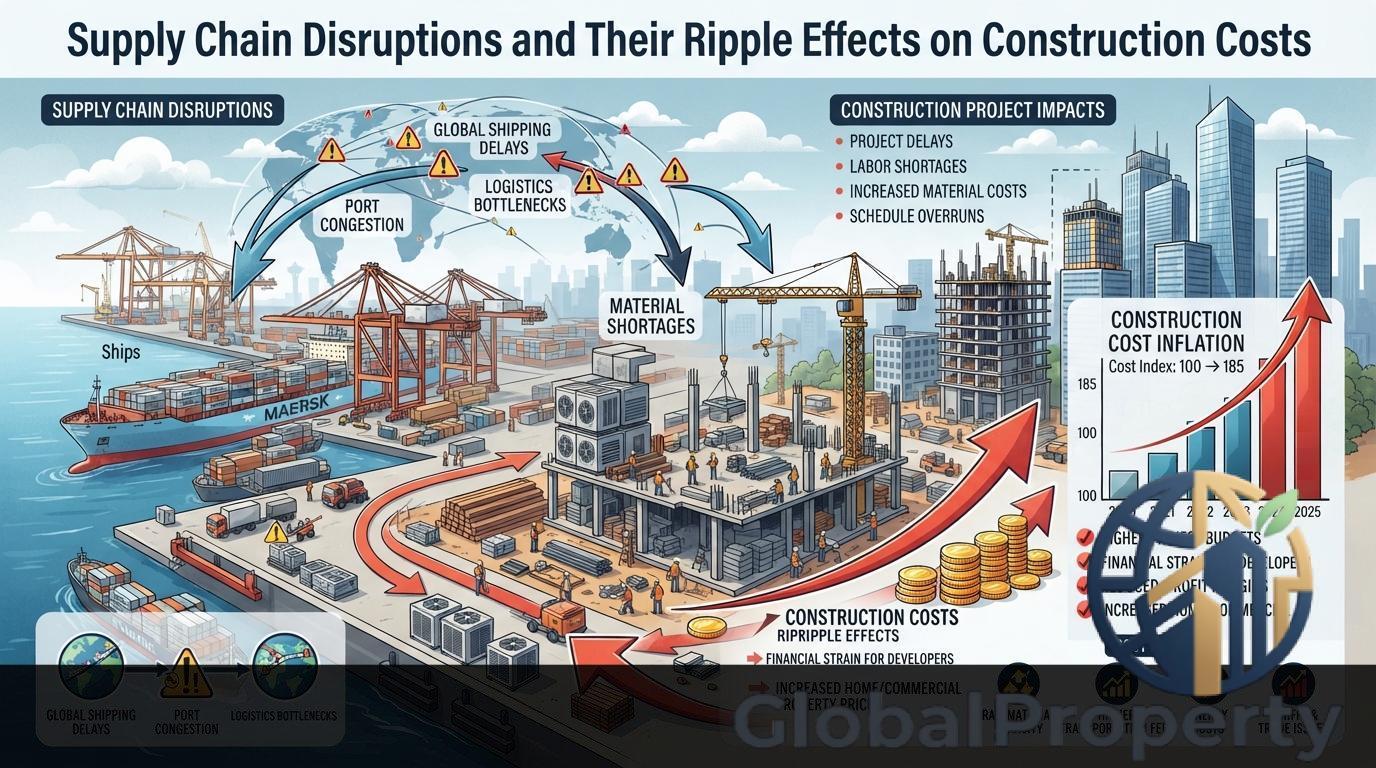
Have you ever wondered why construction costs seem to be constantly fluctuating? The answer lies in the intricate web of global supply chains that support the construction industry. Supply chain disruptions can send shockwaves through the entire construction process, leading to delays, increased costs, and frustrated stakeholders. In today’s blog post, we delve into the far-reaching effects of supply chain disruptions on construction costs and explore how industry players can navigate these challenges.
Imagine you’re in the middle of a construction project, everything is going smoothly, and then suddenly, a key material is delayed due to a supply chain disruption. The domino effect begins – delayed timelines, increased costs for alternative materials, and strained relationships with clients and subcontractors. These ripple effects can have a significant impact on your bottom line and reputation in the industry. The frustration and stress that come with these disruptions can be overwhelming, leaving you scrambling to find solutions to mitigate the damage.
But fear not, there is a way to proactively address and minimize the impact of supply chain disruptions on construction costs. By implementing robust risk management strategies, fostering strong relationships with suppliers, and leveraging technology to enhance supply chain visibility, construction companies can build resilience in the face of uncertainties. Join us as we uncover practical tips and insights to help you navigate the complex landscape of supply chain disruptions in the construction industry, and stay ahead of the curve in managing costs effectively. Get ready to revolutionize your approach to construction project management!
Impact of Supply Chain Disruptions on Construction Projects
Supply chain disruptions can have significant impacts on construction projects, leading to delays, cost overruns, and quality issues. When key materials or components are not available as expected, construction schedules can be thrown off course, causing ripple effects throughout the project. This can result in missed deadlines, contractual penalties, and damage to the reputation of the construction company.
Moreover, supply chain disruptions can also affect the overall productivity and efficiency of construction projects. Without a reliable and well-managed supply chain, construction firms may struggle to maintain consistent workflow, leading to inefficiencies and increased project costs. Therefore, it is crucial for construction companies to proactively address and mitigate supply chain disruptions to ensure successful project delivery.
Strategies for Mitigating Supply Chain Disruptions in Construction
To mitigate the impact of supply chain disruptions in construction projects, companies can implement various strategies. One effective approach is to diversify the supplier base to reduce dependency on a single source. By working with multiple suppliers, construction firms can better navigate disruptions in the supply chain and ensure a more stable flow of materials.
Additionally, leveraging technology such as supply chain management systems and real-time tracking tools can help construction companies monitor and manage their supply chains more effectively. By improving visibility and communication across the supply chain, firms can identify potential disruptions early on and take proactive measures to address them. Collaborating closely with suppliers, establishing contingency plans, and building resilience into the supply chain are also key strategies for mitigating supply chain disruptions in construction.
Common Causes of Supply Chain Disruptions in the Construction Industry
Supply chain disruptions in the construction industry can arise due to various factors that hinder the seamless flow of materials, equipment, and labor to construction sites. One common cause is poor weather conditions, which can delay shipments and construction activities, leading to project setbacks. Additionally, unforeseen events such as natural disasters or pandemics can severely impact the availability of resources and disrupt the supply chain.
Another significant factor contributing to disruptions is inefficient inventory management, where inaccurate forecasting or poor communication between suppliers and contractors can result in delays or shortages of essential materials. Moreover, geopolitical issues and trade disputes can also disrupt the construction supply chain by affecting the availability and cost of imported materials, further complicating project timelines and budgets.
Strategies for Mitigating Supply Chain Disruptions in Construction
Implementing robust risk management practices is essential for mitigating supply chain disruptions in the construction industry. This includes conducting thorough risk assessments, developing contingency plans, and establishing clear communication channels with suppliers and subcontractors. Diversifying the supplier base and maintaining alternative sourcing options can help reduce dependency on a single supplier, thereby increasing resilience to disruptions.
Furthermore, leveraging technology such as supply chain management software and real-time tracking systems can enhance visibility and transparency across the supply chain. By monitoring inventory levels, transportation schedules, and potential risks proactively, construction companies can identify and address disruptions more effectively, minimizing their impact on project schedules and costs.

Strategies for Mitigating Supply Chain Disruptions in Construction
Effective strategies for mitigating supply chain disruptions in construction involve proactive planning and collaboration among project stakeholders. One key approach is to diversify suppliers and establish strong relationships with multiple vendors to reduce dependency on a single source. Additionally, implementing inventory management systems and monitoring supply chain performance can help identify potential risks early on. Investing in technology such as supply chain tracking tools and data analytics can also enhance visibility and enable quick decision-making when disruptions occur. Moreover, creating contingency plans and conducting regular risk assessments can improve overall resilience to supply chain disturbances.
Case Studies: Supply Chain Disruptions in Construction Projects
Examining real-world case studies of supply chain disruptions in construction projects can provide valuable insights into the impact of such events and the effectiveness of mitigation strategies. By analyzing past experiences, project managers can learn from mistakes and successes to better prepare for future challenges. Case studies may include examples of delays caused by material shortages, transportation issues, or unexpected supplier bankruptcies. Understanding the specific circumstances and consequences of supply chain disruptions in different projects can inform decision-making and help organizations develop more robust risk management practices.
Case Studies: Supply Chain Disruptions in Construction Projects
Case Study 1: In a large-scale construction project, a sudden disruption in the supply chain occurred when a key supplier faced financial difficulties and could not deliver crucial materials on time. This led to delays in the project timeline and increased costs due to the need for alternative sourcing. The construction company had to quickly assess the situation, identify alternative suppliers, and negotiate new contracts to ensure minimal impact on the project.
Case Study 2: Another construction project experienced a supply chain disruption when a natural disaster struck a region where a major supplier was located, causing production facilities to shut down. This unexpected event resulted in a shortage of materials, halting construction activities and causing a significant delay in project completion. The construction team had to implement emergency measures, such as sourcing materials from different regions and adjusting project schedules to mitigate the impact of the disruption.
Future Trends in Supply Chain Resilience for the Construction Industry
As the construction industry evolves, so do the challenges and opportunities related to supply chain resilience. One key trend is the increasing adoption of digital technologies such as IoT, AI, and blockchain to enhance supply chain visibility and efficiency. These technologies enable real-time monitoring of inventory, predictive maintenance of equipment, and secure tracking of materials throughout the supply chain.
Another emerging trend is the focus on sustainability and ethical sourcing practices. Construction companies are recognizing the importance of reducing their environmental impact and ensuring fair labor practices within their supply chains. This shift towards sustainable sourcing not only helps mitigate risks related to disruptions but also enhances brand reputation and stakeholder trust in the long term.
Future Trends in Supply Chain Resilience for the Construction Industry
As the construction industry continues to evolve, so do the challenges and opportunities related to supply chain resilience. One of the key future trends in this sector is the increasing adoption of digital technologies to enhance visibility and transparency throughout the supply chain. By leveraging data analytics, artificial intelligence, and Internet of Things (IoT) devices, construction companies can better track materials, monitor inventory levels, and predict potential disruptions.
Another emerging trend is the focus on sustainability and ethical sourcing practices within the construction supply chain. With growing concerns about environmental impact and social responsibility, construction firms are starting to prioritize suppliers that adhere to eco-friendly standards and fair labor practices. By integrating sustainability criteria into supplier selection processes, companies can build more resilient and responsible supply chains for the future.
Conclusion
In conclusion, supply chain disruptions pose significant challenges to construction projects, impacting timelines, costs, and overall project success. By understanding the common causes of disruptions, implementing effective mitigation strategies, and staying informed about future trends in supply chain resilience, construction companies can better prepare for and navigate disruptions in the industry. Embracing digital technologies, promoting sustainability, and fostering strong partnerships with reliable suppliers are essential steps towards building more resilient and efficient supply chains in the construction sector.