
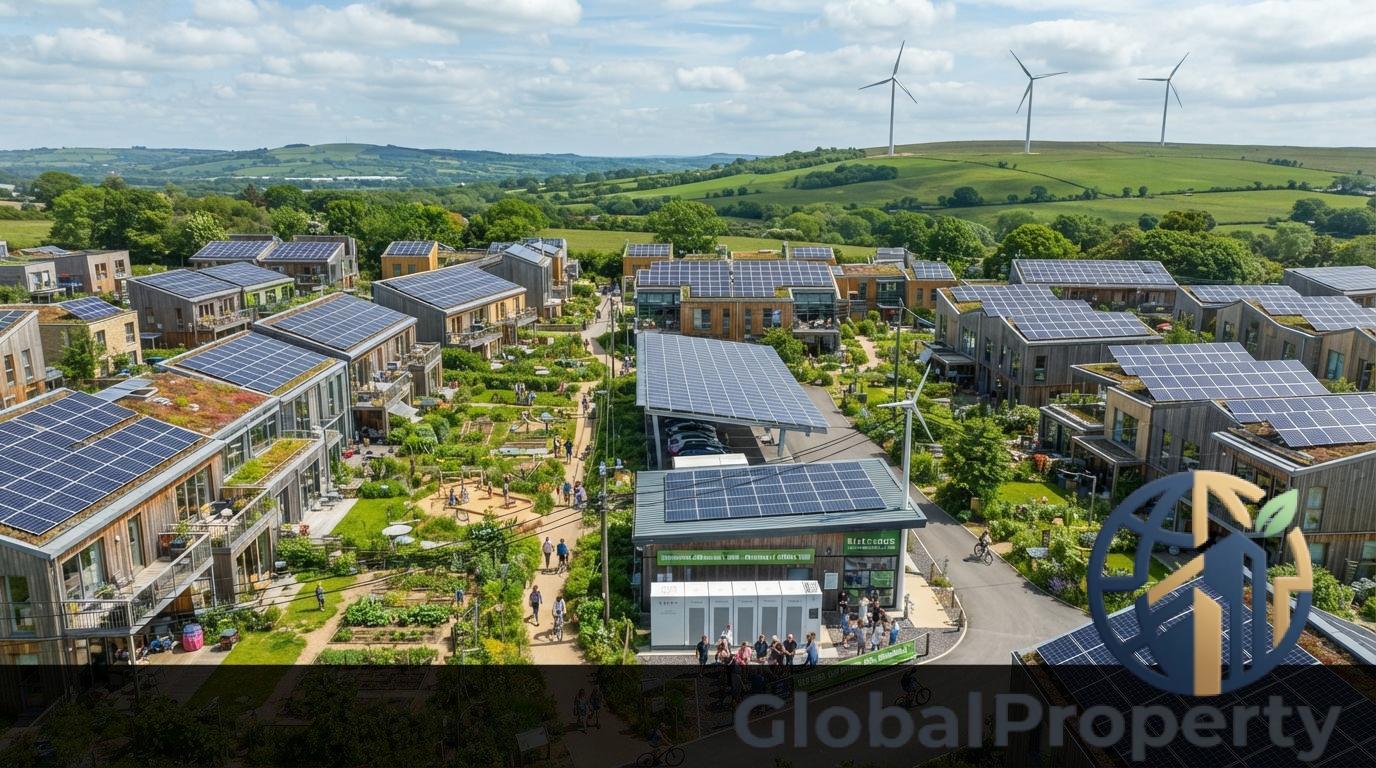
Ever wondered why our modern housing projects still heavily rely on traditional energy grids, despite the advancements in renewable energy technology? The core problem lies in the lack of community-led initiatives to implement sustainable solutions. Picture this: rising energy costs, environmental degradation, and a growing sense of disconnection from the natural world. These are just a few consequences of our current energy consumption patterns that need urgent attention.
Now, imagine a scenario where communities take charge of their energy future. The frustration of not embracing renewable energy grids in modern housing projects only amplifies as we witness the escalating impacts of climate change. From extreme weather events to dwindling natural resources, the repercussions of inaction are becoming more pronounced by the day. It’s time we shift our perspective and explore innovative ways to power our homes sustainably.
Introducing community-led renewable energy grids in modern housing projects – a transformative solution that not only reduces carbon emissions but also fosters a sense of unity and resilience among residents. By harnessing the power of solar, wind, and other renewable sources, communities can pave the way towards a greener and more sustainable future. Join us on this journey as we delve into the possibilities of decentralized energy systems and how they can revolutionize the way we power our homes. Let’s empower communities to become the drivers of change in the transition towards a cleaner and brighter tomorrow.
Importance of Renewable Energy Grids
Renewable energy grids play a crucial role in reducing carbon emissions and combating climate change. By harnessing energy from sources such as solar, wind, and hydroelectric power, these grids provide a sustainable alternative to traditional fossil fuels. They help in diversifying the energy mix, increasing energy security, and promoting environmental sustainability. Additionally, renewable energy grids contribute to creating a more resilient energy system that is less vulnerable to disruptions and price fluctuations.
Benefits and Challenges of Community-Led Grids
Community-led grids offer numerous benefits, including increased local energy resilience, lower energy costs, and empowerment of local communities. By involving residents in the decision-making process and ownership of energy projects, these grids foster a sense of ownership and pride. However, challenges such as initial investment costs, regulatory barriers, and technical complexities can pose obstacles to the successful implementation of community-led grids. Overcoming these challenges requires collaboration between stakeholders, innovative financing mechanisms, and supportive policies that incentivize community participation in renewable energy initiatives.
Community Involvement in Energy Projects
Community involvement in energy projects plays a crucial role in fostering sustainability and driving positive change within localities. By actively engaging with residents, businesses, and stakeholders, energy projects can gain valuable insights, build trust, and ensure that the needs and concerns of the community are taken into consideration. This collaborative approach not only enhances the overall success of renewable energy initiatives but also promotes social cohesion and environmental awareness.
Empowering communities to participate in decision-making processes related to energy projects can lead to more innovative and tailored solutions that align with the specific requirements and preferences of the local population. Through education, outreach programs, and transparent communication channels, communities can become active partners in driving the transition towards cleaner and more sustainable energy systems.

Community Involvement in Energy Projects
Community involvement in energy projects plays a crucial role in fostering sustainability and ensuring the success of renewable energy initiatives. When communities actively participate in decision-making processes related to energy projects, they feel a sense of ownership and responsibility, leading to greater support and engagement. This involvement can range from community consultations and feedback sessions to collaborative planning and implementation efforts.
By involving local residents, businesses, and organizations in energy projects, communities can benefit from diverse perspectives, innovative ideas, and increased awareness about the importance of sustainable energy practices. This collaborative approach not only strengthens community bonds but also helps in creating a more inclusive and resilient energy infrastructure that meets the specific needs and priorities of the community.
Case Studies of Modern Housing Projects
Case studies of modern housing projects showcase the successful integration of renewable energy solutions in residential settings. These projects demonstrate how innovative design, technology, and community engagement can transform traditional housing structures into sustainable, energy-efficient homes. By incorporating features like solar panels, geothermal heating systems, and smart energy management tools, modern housing projects are able to reduce energy consumption, lower utility costs, and minimize environmental impact.
Through these case studies, communities can learn from real-world examples of how sustainable practices can be implemented in housing developments, inspiring them to adopt similar approaches in their own projects. By highlighting the benefits and challenges faced in these case studies, stakeholders can make informed decisions and work towards creating a more sustainable and resilient future for housing communities.
Benefits and Challenges of Community-Led Grids
Community-led grids offer numerous benefits, such as increased energy independence, reduced carbon footprint, and lower energy costs for participants. By allowing communities to generate and manage their own renewable energy, these grids promote sustainability and resilience. Additionally, community involvement fosters a sense of ownership and responsibility, leading to greater awareness and appreciation for environmental issues.
However, challenges exist in implementing community-led grids, including initial setup costs, regulatory hurdles, and technical complexities. Coordinating diverse stakeholders and ensuring equitable participation can also be challenging. Despite these obstacles, the long-term benefits of community-led grids far outweigh the challenges, making them a promising model for sustainable energy development.
6. Sustainable Practices in Renewable Energy
Sustainable practices in renewable energy play a crucial role in ensuring the long-term viability of energy projects. Implementing sustainable practices involves utilizing technologies and strategies that minimize environmental impact and promote resource efficiency. This can include the use of energy-efficient technologies, such as solar panels and wind turbines, as well as incorporating energy storage solutions to optimize energy usage.
Furthermore, sustainable practices also involve adopting a holistic approach that considers the social, economic, and environmental aspects of renewable energy projects. This may include promoting the use of clean energy sources, reducing carbon emissions, and fostering community engagement. By integrating sustainable practices into renewable energy initiatives, we can create a more resilient and environmentally friendly energy grid for future generations.
Conclusion
Renewable energy grids are paving the way towards a sustainable future by providing clean and efficient energy sources. As we continue to witness the importance of transitioning to renewable energy, it is crucial for communities to actively participate in energy projects. By involving local residents and stakeholders in decision-making processes, we can ensure that these projects are not only environmentally friendly but also socially inclusive and economically beneficial.
Through case studies of modern housing projects, we have seen the positive impact of community-led grids on reducing carbon footprints and promoting energy independence. Despite the challenges that come with implementing these grids, the benefits far outweigh the obstacles. By embracing sustainable practices in renewable energy, we can create a greener and more resilient energy infrastructure for generations to come.