
Are you torn between the allure of the long-term rental market and the stability of homeownership? The decision to rent or buy a home is one of the most significant financial choices individuals face. As you navigate through the maze of real estate options, it’s crucial to understand the ever-evolving trends in the rental market and homeownership rates. This blog post delves deep into the complexities of evaluating these trends to help you make informed decisions that align with your long-term goals.
Imagine the frustration of investing in a property only to find out that the rental market in your area is booming, making it more lucrative to rent out your home instead of living in it. On the flip side, picture the regret of committing to a long-term rental agreement, only to witness a surge in homeownership rates and missing out on potential equity growth and tax benefits. The consequences of not being well-informed about these trends can have a lasting impact on your financial well-being and future prospects.
Fear not, as we unravel the intricate web of long-term rental market trends versus homeownership rates. By analyzing data, understanding market dynamics, and exploring the pros and cons of each option, you will gain valuable insights to guide your real estate decisions. Whether you are a first-time homebuyer, a seasoned investor, or someone contemplating a housing change, this post will equip you with the knowledge and tools needed to navigate the housing market landscape with confidence. Get ready to embark on a journey of discovery and empowerment as we decode the complexities of real estate trends and chart a course towards financial security and success.
Methodology
SEO Copywriting Methodology: Our approach to SEO copywriting involves in-depth research, strategic keyword placement, and engaging content creation. We start by analyzing market trends and identifying relevant keywords to target. Next, we craft compelling copy that not only appeals to search engines but also resonates with the target audience. Our methodology focuses on creating valuable, informative content that drives organic traffic and boosts search engine rankings. By combining data-driven insights with creative storytelling, we ensure that our copy is both optimized for search engines and compelling for readers.
Long-Term Rental Market Trends
Long-Term Rental Market Trends: The long-term rental market is experiencing significant growth, driven by changing demographics and economic factors. Urbanization, rising housing costs, and a shift towards flexible living arrangements have contributed to the increasing demand for long-term rentals. Landlords and property managers need to stay abreast of these trends to effectively market their rental properties and attract tenants. Understanding the dynamics of the long-term rental market, including rental rates, vacancy rates, and popular amenities, is crucial for maximizing rental income and ensuring long-term success in the rental property business.
Long-Term Rental Market Trends
The long-term rental market trends are constantly evolving, influenced by various factors such as economic conditions, demographic shifts, and changing preferences among renters. In recent years, there has been a notable increase in demand for long-term rental properties, driven by factors like flexibility, affordability, and urbanization. Millennials, in particular, are increasingly choosing to rent over buying a home, contributing to the growth of the rental market. Additionally, the rise of remote work and the gig economy have also impacted the rental market, with more individuals seeking rental properties that offer amenities like home offices and flexible lease terms.
Homeownership Rates
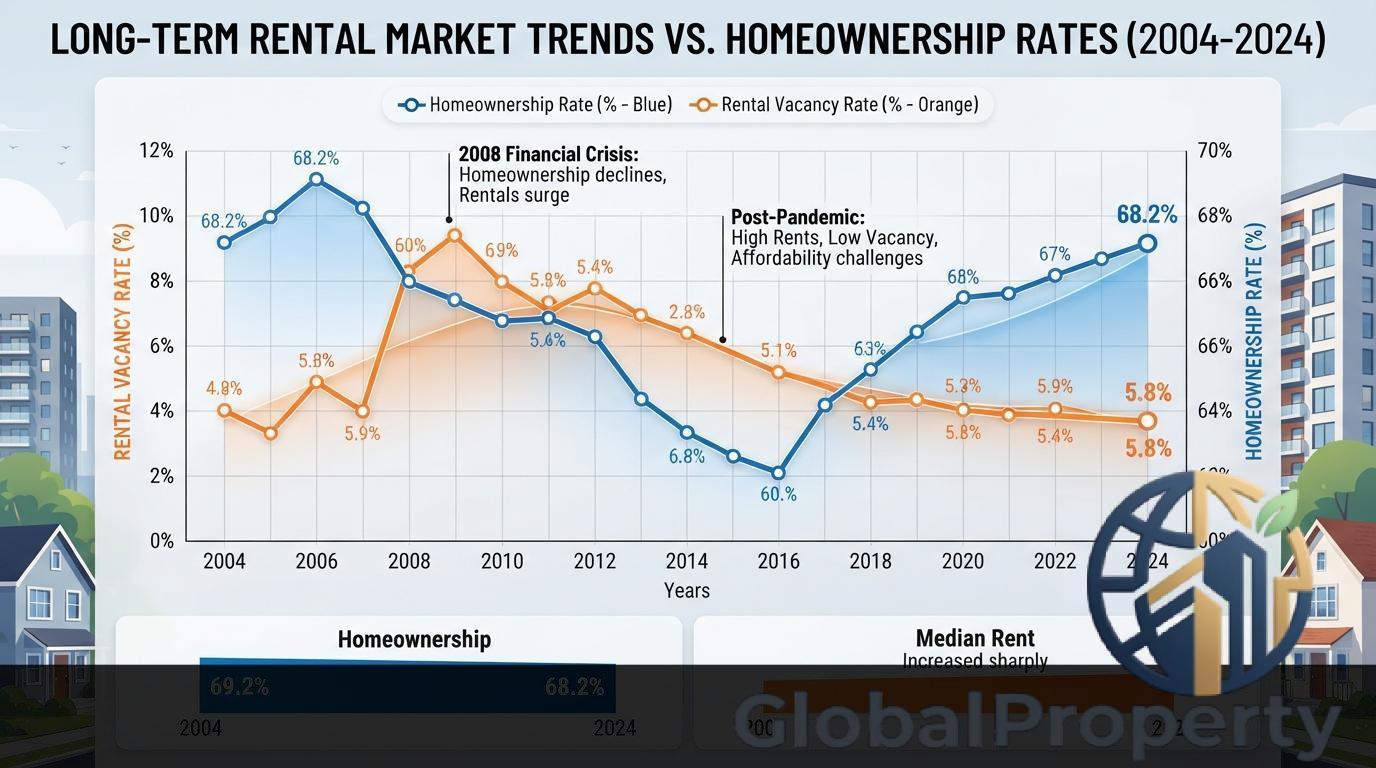
Homeownership rates have seen fluctuations over the years, influenced by economic factors, government policies, and cultural norms. While homeownership has traditionally been seen as a key milestone in achieving the American Dream, younger generations are delaying or forgoing homeownership for various reasons. Factors such as high housing prices, student loan debt, and a preference for urban living have all contributed to a decline in homeownership rates among certain demographics. However, homeownership continues to be a goal for many individuals and families, with initiatives like first-time homebuyer programs and low mortgage rates helping to make homeownership more accessible.

Long-Term Rental Market Trends
Long-term rental market trends are a crucial aspect of the real estate landscape, reflecting shifts in demographics, economic conditions, and housing preferences. In recent years, there has been a noticeable increase in demand for long-term rental properties due to factors such as lifestyle choices, financial considerations, and flexibility in housing options. This trend is particularly evident among millennials and young professionals who prioritize mobility and prefer renting over buying homes.
Additionally, the rise of the gig economy and remote work culture has also contributed to the growth of the long-term rental market, with more individuals seeking rental properties that offer amenities, convenience, and proximity to urban centers. Understanding these trends is essential for landlords, property managers, and investors looking to capitalize on the evolving demands of the rental market and adapt their strategies to meet the changing needs of tenants.
Homeownership Rates
Homeownership rates play a significant role in shaping the housing market and overall economic landscape. The decision to buy a home is influenced by various factors, including market conditions, interest rates, government policies, and individual financial situations. Historically, homeownership has been seen as a symbol of stability and wealth accumulation, with many aspiring to own their own homes as a long-term investment.
However, homeownership rates have fluctuated over the years, affected by economic downturns, changing demographics, and cultural shifts. In recent times, factors such as student loan debt, rising housing costs, and preference for urban living have led to a decline in homeownership rates among certain demographic groups. It is essential for policymakers, real estate professionals, and industry stakeholders to monitor these trends closely to understand the dynamics of the housing market and develop strategies that promote sustainable homeownership and address the evolving needs of potential homebuyers.
Factors Influencing Long-Term Rental Market Trends
Location: One of the primary factors influencing long-term rental market trends is the location of the property. Urban areas with high demand for rental housing tend to have higher rental prices compared to rural areas. Proximity to amenities, public transportation, and job opportunities also play a significant role in determining rental market trends.
Economic Conditions: Economic factors such as job growth, income levels, and overall economic stability in a region can impact the demand for rental properties. During economic downturns, individuals may opt for renting over homeownership, leading to an increase in rental market demand. Conversely, during economic upswings, some renters may transition to homeownership, affecting rental market trends.
Factors Influencing Homeownership Rates
Interest Rates: Fluctuations in interest rates can significantly influence homeownership rates. Lower interest rates usually make mortgages more affordable, encouraging more individuals to buy homes rather than rent. Conversely, higher interest rates may deter potential homebuyers, leading to a decrease in homeownership rates.
Government Policies: Government policies, such as tax incentives for homeownership, lending regulations, and housing assistance programs, can impact homeownership rates. Policies that make it easier for individuals to qualify for mortgages or provide financial incentives for buying homes can increase homeownership rates, while policies that restrict lending or reduce incentives may have the opposite effect.
Factors Influencing Homeownership Rates
Interest Rates: Homeownership rates are significantly influenced by interest rates on mortgages. When interest rates are low, more people are encouraged to buy homes, increasing the homeownership rate. Conversely, high interest rates can deter potential buyers, leading to a decrease in homeownership rates.
Economic Conditions: The overall economic conditions of a country play a crucial role in homeownership rates. Factors such as employment rates, wage growth, and economic stability can impact people’s ability to afford a home. During periods of economic prosperity, homeownership rates tend to rise as people feel more financially secure.
Factors Influencing Long-Term Rental Market Trends
Demographic Shifts: Changes in demographics, such as an increase in young adults entering the rental market or a rise in single-person households, can significantly impact long-term rental market trends. Understanding these demographic shifts is crucial for landlords and property investors to tailor their offerings to meet the evolving demand.
Housing Supply: The availability of rental properties in a particular area can influence rental market trends. In areas with limited housing supply, rental prices tend to increase, attracting more investors to the market. On the other hand, oversupply can lead to lower rental prices and higher vacancy rates, affecting the overall market dynamics.
Conclusion
The long-term rental market trends and homeownership rates are intricately linked, reflecting the evolving preferences and financial circumstances of individuals and families. As the rental market continues to expand, driven by various factors such as changing lifestyles, economic conditions, and demographic shifts, it is crucial for real estate professionals to stay informed about the latest trends and dynamics in order to make informed investment decisions. On the other hand, homeownership rates are influenced by factors like interest rates, housing affordability, and government policies, which shape the overall housing market landscape.
In conclusion, understanding the interplay between long-term rental market trends and homeownership rates is essential for navigating the complex real estate market successfully. By keeping a close eye on these factors and adapting strategies accordingly, investors, developers, and policymakers can position themselves effectively in the ever-changing housing market.