
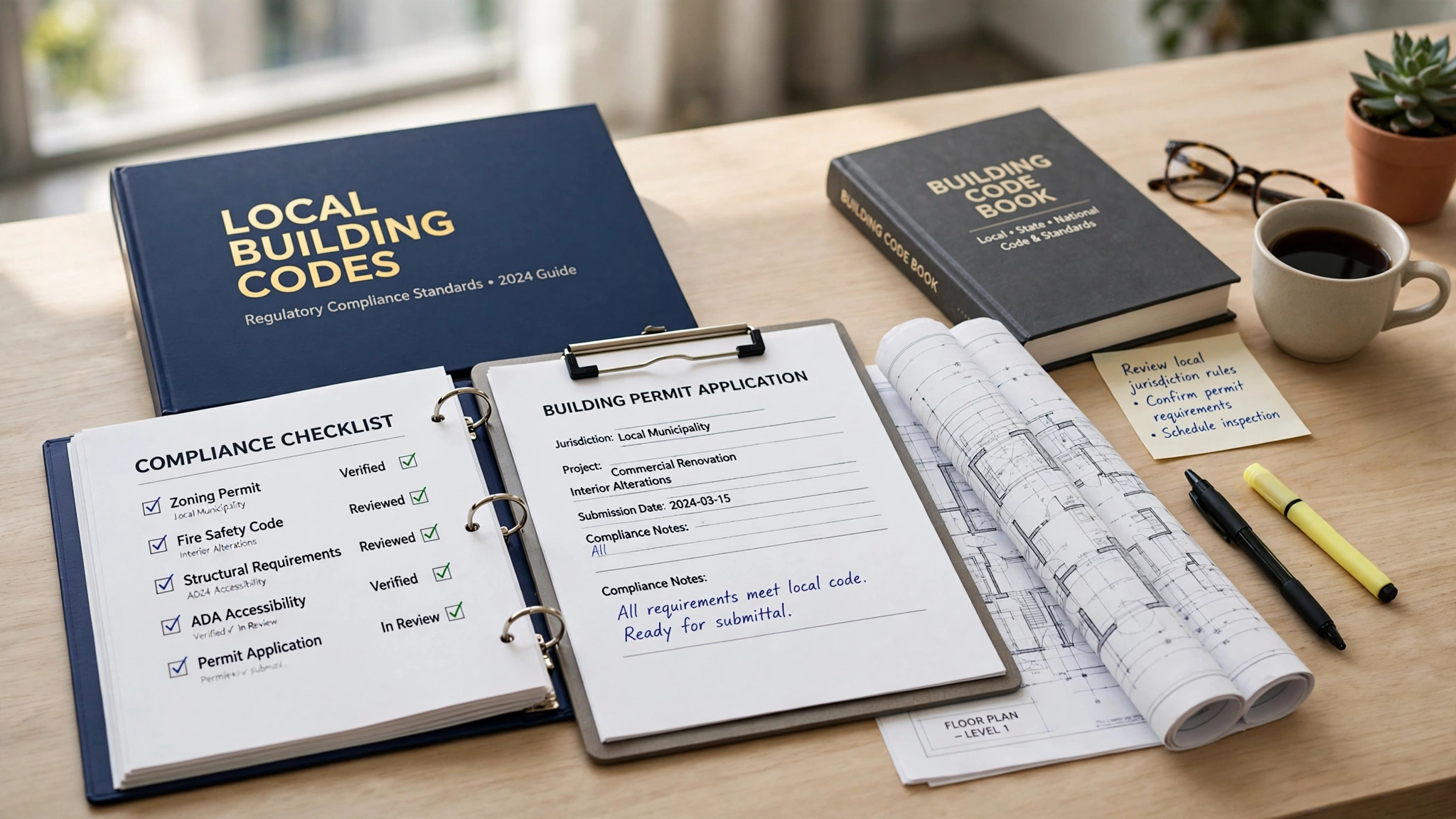
Have you ever found yourself tangled in the intricate web of local building codes and regulatory compliance standards? The labyrinth of rules and regulations can often leave even the most seasoned professionals scratching their heads in frustration. Whether you’re a homeowner embarking on a renovation project or a contractor overseeing a new construction, navigating these complex requirements can be a daunting task. The problem lies not only in understanding the regulations but also in ensuring full compliance to avoid costly delays and penalties.
Picture this: you’re in the middle of a construction project, deadlines looming, and suddenly you realize that you’ve overlooked a crucial building code requirement. The project comes to a screeching halt, your budget balloons as you rush to rectify the error, and your reputation takes a hit. The frustration and stress that come with non-compliance can be overwhelming, not to mention the financial implications it can have on your bottom line. The consequences of cutting corners or misinterpreting regulations can be dire, leading to legal disputes, project setbacks, and a tarnished professional reputation.
But fear not, there is a beacon of hope amidst the chaos of regulatory compliance. By arming yourself with the right knowledge, tools, and resources, you can confidently navigate the intricate landscape of local building codes and regulatory standards. Imagine being able to seamlessly plan and execute your projects without the fear of regulatory roadblocks. In the upcoming blog post, we will delve into practical strategies, expert tips, and resources to help you not only understand but also master the art of compliance. Get ready to unlock the secrets to smooth-sailing projects and ensure your success in the ever-evolving world of construction regulations.
Understanding Regulatory Compliance Standards
Regulatory compliance standards refer to the rules and regulations set forth by local, state, and federal governments that dictate how construction projects must be carried out. These standards are in place to ensure the safety of buildings, protect the environment, and uphold the overall quality of construction work. Understanding these standards is crucial for any construction professional to avoid legal issues, fines, or project delays.
Compliance standards cover a wide range of areas, including zoning regulations, structural requirements, fire safety codes, and accessibility guidelines. By familiarizing yourself with these standards, you can navigate the complex landscape of regulatory requirements and ensure that your construction projects meet all necessary legal and safety standards.
Importance of Compliance in Construction Projects
Compliance in construction projects is vital for maintaining the integrity of the built environment and protecting the well-being of occupants. Failure to comply with regulatory standards can result in costly consequences, such as structural failures, legal liabilities, and reputational damage. By prioritizing compliance, construction professionals can demonstrate their commitment to safety, quality, and ethical practices.
Furthermore, adherence to regulatory standards can streamline the construction process by reducing the likelihood of delays, rework, and disputes. Building trust with regulatory authorities, clients, and stakeholders is essential for the long-term success of construction projects. Embracing a culture of compliance not only ensures legal conformity but also fosters a positive reputation in the industry.
Understanding Regulatory Compliance Standards
Regulatory compliance standards play a crucial role in ensuring that construction projects adhere to local building codes and regulations. Understanding these standards is essential for construction professionals to avoid costly penalties and delays in project completion. Compliance standards typically cover a wide range of aspects, including safety requirements, environmental impact assessments, zoning regulations, and permit procedures. By familiarizing themselves with these standards, construction teams can effectively plan and execute projects in accordance with legal requirements.
Key Factors in Navigating Building Codes
Successfully navigating building codes requires a comprehensive understanding of the local regulations and requirements. Key factors to consider include identifying the specific codes applicable to the project, conducting regular inspections to ensure compliance, and maintaining accurate documentation throughout the construction process. Additionally, staying informed about any updates or changes to building codes is crucial to avoid violations. By prioritizing compliance and staying proactive in addressing regulatory challenges, construction professionals can navigate building codes effectively and mitigate potential risks.

Importance of Compliance in Construction Projects
Compliance with local building codes is a fundamental aspect of any construction project. These regulations are put in place to ensure the safety, integrity, and quality of structures being built. Failure to comply with these codes can result in costly delays, fines, and even legal consequences. Additionally, non-compliance can pose serious risks to the occupants of the building, as well as the surrounding community.
Strategies for Handling Regulatory Challenges
When faced with regulatory challenges in construction projects, it is essential to have a proactive approach. This includes staying informed about the latest codes and regulations, maintaining open communication with local authorities, and seeking expert advice when needed. Implementing a robust compliance management system can also help streamline the process and ensure that all requirements are met in a timely manner.
Strategies for Handling Regulatory Challenges
When it comes to handling regulatory challenges in construction projects, it is essential to have a proactive approach. One strategy is to establish clear communication channels with local authorities to ensure you are up-to-date with any changes in building codes. Additionally, investing in training and education for your team on regulatory compliance can help prevent costly mistakes. Utilizing technology such as building information modeling (BIM) software can also streamline the compliance process by identifying potential issues before they arise.
Case Studies on Successful Compliance Approaches
Examining case studies of successful compliance approaches in construction projects can provide valuable insights for navigating regulatory requirements. By studying how other companies have effectively managed compliance challenges, you can adapt proven strategies to your own projects. Case studies can highlight best practices, innovative solutions, and lessons learned from real-world experiences, helping you implement more efficient and effective compliance processes in your own construction projects.
6. Case Studies on Successful Compliance Approaches
Explore real-world examples of successful compliance approaches in the construction industry. These case studies highlight specific projects where adherence to local building codes and regulatory compliance standards led to positive outcomes. By examining these cases, industry professionals can gain valuable insights into effective strategies for navigating complex regulatory requirements.
Each case study delves into the challenges faced by the project team, the compliance solutions implemented, and the resulting benefits. These examples serve as practical illustrations of how proactive compliance measures can contribute to project success, enhance safety standards, and foster positive relationships with regulatory authorities. By learning from these successful compliance approaches, construction professionals can better prepare for future projects and mitigate risks associated with non-compliance.
Conclusion: Best Practices for Regulatory Compliance
Regulatory compliance is a critical aspect of any construction project, ensuring that all local building codes and standards are met to guarantee the safety and quality of the structure. To achieve successful compliance, it is essential for construction professionals to stay updated on the latest regulations and requirements in their area. By maintaining clear communication between stakeholders, conducting regular inspections, and implementing best practices in project management, companies can navigate the complex landscape of regulatory compliance more effectively.
Furthermore, investing in training programs for employees and utilizing technology solutions can streamline the compliance process, reducing the risk of costly delays or penalties. By prioritizing compliance from the early stages of a project and fostering a culture of accountability and transparency, construction firms can build a reputation for reliability and quality while minimizing the potential for legal issues or regulatory fines.