
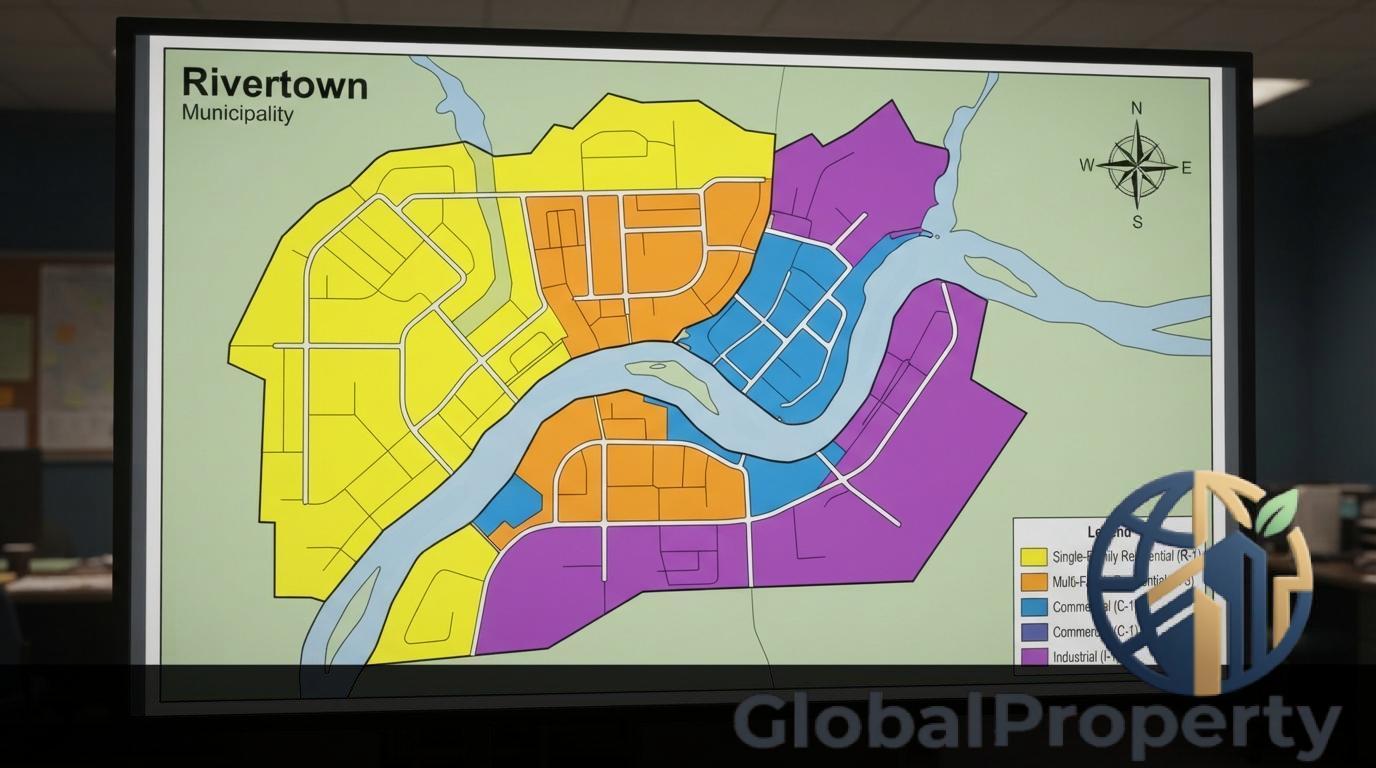
Imagine you’ve found the perfect piece of land to develop your dream property, only to realize that you’re restricted by mysterious regulations that seem to stifle your creative vision. This scenario is all too common for individuals navigating the complex world of real estate development. The culprit behind these restrictions? Zoning laws. These laws, often overlooked or misunderstood, hold immense power in shaping the potential of a property and can either be a developer’s greatest ally or their biggest roadblock.
Now, picture the frustration of investing time, money, and energy into a property, only to be blindsided by zoning restrictions that limit your options. From setbacks to land use restrictions, the consequences of not understanding zoning laws can be costly and demoralizing. It’s like trying to solve a puzzle without knowing all the pieces – a recipe for disappointment and setbacks that can derail even the most well-thought-out development plans.
But fear not, for there is a beacon of hope in the murky waters of zoning regulations. By gaining a comprehensive understanding of zoning laws and how they dictate property development potential, you can unlock a world of possibilities for your real estate projects. Armed with knowledge and strategic planning, you can navigate the intricacies of zoning regulations with confidence, turning potential obstacles into opportunities for innovation and success. Join us on a journey to demystify zoning laws and empower yourself to shape the future of your property developments with clarity and purpose.
Types of Zoning Regulations
Zoning regulations play a crucial role in urban planning by dividing land into different zones based on specific permitted land uses, such as residential, commercial, industrial, or mixed-use. Within these broad categories, there are various types of zoning regulations that further define how land can be utilized. Some common types include residential zoning, which dictates the types of homes that can be built in an area, commercial zoning that designates areas for businesses, industrial zoning for manufacturing and industrial activities, agricultural zoning for farming purposes, and mixed-use zoning that allows for a combination of residential, commercial, and other land uses within a single zone.
Impact of Zoning Laws on Property Development
Zoning laws have a profound impact on property development as they determine what can be built where, influencing the design, density, and overall land use of a given area. By regulating the type of structures, building heights, setbacks, lot sizes, and allowable land uses, zoning laws shape the physical environment of a community. These regulations aim to promote orderly growth, protect property values, ensure compatibility between land uses, and safeguard public health and safety. However, zoning laws can also pose challenges for property developers, requiring them to navigate a complex regulatory framework and obtain necessary permits to comply with zoning requirements.
Impact of Zoning Laws on Property Development
Zoning laws play a crucial role in shaping the landscape of property development. These regulations dictate how land can be used, determining the type of structures that can be built in specific areas. By designating zones for residential, commercial, industrial, or mixed-use purposes, zoning laws aim to promote orderly and sustainable development while safeguarding the interests of the community.
Property developers must navigate through zoning restrictions to ensure compliance with regulations. Failure to adhere to zoning laws can result in costly delays, fines, or even the halting of construction projects. Understanding the impact of zoning laws on property development is essential for developers to make informed decisions and successfully execute their projects within legal boundaries.
Challenges Faced by Property Developers Due to Zoning Laws
Property developers often encounter various challenges when dealing with zoning laws. One common issue is the complexity and ambiguity of zoning regulations, which can be difficult to interpret and apply to real-world projects. Meeting the requirements of multiple zoning ordinances, overlays, and restrictions can create hurdles and slow down the development process.
Furthermore, conflicts may arise between developers, local authorities, and community stakeholders regarding zoning decisions. Balancing economic interests, environmental concerns, and community needs can lead to disputes and lengthy approval processes. Overcoming these challenges requires proactive engagement with zoning authorities, thorough research, and strategic planning to navigate the intricacies of zoning laws effectively.

4. Zoning Variance Process
What is a Zoning Variance?
A zoning variance is a process that allows property owners to request an exemption or deviation from specific zoning regulations for their property. This can be necessary when a property owner wants to use their land in a way that does not conform to the existing zoning laws. The variance process typically involves submitting an application to the local zoning board, explaining the reasons for the variance request, and attending a public hearing where the board will review the case.
Key Steps in the Zoning Variance Process
The zoning variance process can vary depending on the location and specific regulations, but generally involves submitting a formal application, paying a fee, attending a public hearing to present the case, and receiving a decision from the zoning board. It is important for property owners to provide strong justifications for the variance request, such as hardship or unique circumstances, in order to increase the chances of approval. Working with experienced professionals familiar with the local zoning regulations can also help navigate the variance process more effectively.
Importance of Zoning Compliance
Zoning compliance is crucial for property owners and developers to ensure that their projects align with the regulations set by local authorities. By adhering to zoning laws, individuals can avoid legal issues, fines, and delays in their development projects. Zoning compliance also helps maintain the overall aesthetics and functionality of a community, promoting orderly growth and development.
Challenges Faced by Property Developers Due to Zoning Laws
Property developers often encounter challenges when navigating the complexities of zoning laws. These challenges can include restrictions on land use, building heights, setbacks, and parking requirements. Developers must carefully study and understand the zoning regulations in place to ensure their projects comply with all necessary guidelines. Failure to address these challenges effectively can result in costly delays and modifications to development plans.
Challenges Faced by Property Developers Due to Zoning Laws
Property developers often encounter various challenges when navigating the complex landscape of zoning laws. One significant issue is the restrictions imposed by zoning regulations, which can limit the type of structures that can be built on a particular piece of land. This can hinder developers’ creativity and flexibility in designing projects that maximize the potential of a property. Additionally, zoning laws may require developers to adhere to specific guidelines regarding building height, setbacks, land use, and other factors, adding layers of complexity to the development process.
Another challenge faced by property developers is the lengthy and sometimes unpredictable approval process required to obtain zoning permits. Delays in securing necessary approvals can significantly impact project timelines and budgets, leading to increased costs and potential setbacks. Moreover, conflicting zoning requirements at the local, state, and federal levels can create confusion and uncertainty for developers, requiring them to carefully navigate the regulatory environment to ensure compliance and avoid legal issues.
Future Trends in Zoning Regulations
The future of zoning regulations is likely to be shaped by evolving urban planning concepts and emerging technologies. One key trend is the increasing focus on sustainable development practices, with zoning laws incorporating provisions for green building standards, energy efficiency, and environmental conservation. As cities continue to grow and urbanize, there is a growing emphasis on mixed-use developments, transit-oriented design, and smart city initiatives, all of which are expected to influence zoning regulations in the coming years.
Advancements in technology, such as the use of data analytics and geospatial mapping, are also expected to play a significant role in modernizing zoning regulations. These tools can provide valuable insights into land use patterns, infrastructure needs, and community demographics, allowing policymakers to make more informed decisions when drafting zoning laws. Additionally, virtual reality and 3D modeling technologies may revolutionize the planning and design process, offering stakeholders a more immersive and interactive way to visualize proposed developments and assess their impact on the surrounding area.
Future Trends in Zoning Regulations
Zoning regulations are constantly evolving to adapt to changing societal needs and technological advancements. One of the key future trends in zoning regulations is the promotion of sustainable development practices. This includes encouraging green building initiatives, promoting renewable energy sources, and incorporating eco-friendly design elements into construction projects. Additionally, there is a growing emphasis on mixed-use zoning, which aims to create more walkable and vibrant communities by allowing for a blend of residential, commercial, and recreational spaces within close proximity. Smart zoning regulations are also on the rise, leveraging technology to optimize land use efficiency, traffic flow, and environmental impact.
Challenges Faced by Property Developers Due to Zoning Laws
Heightened Complexity
Property developers often encounter challenges due to the complex and sometimes conflicting nature of zoning laws. Navigating through various zoning regulations, restrictions, and requirements can be a daunting task, requiring significant time and resources. Developers may face delays in project timelines, increased costs, and potential legal issues if zoning compliance is not meticulously followed. Furthermore, the need to balance economic interests with community concerns adds another layer of complexity to the development process.