
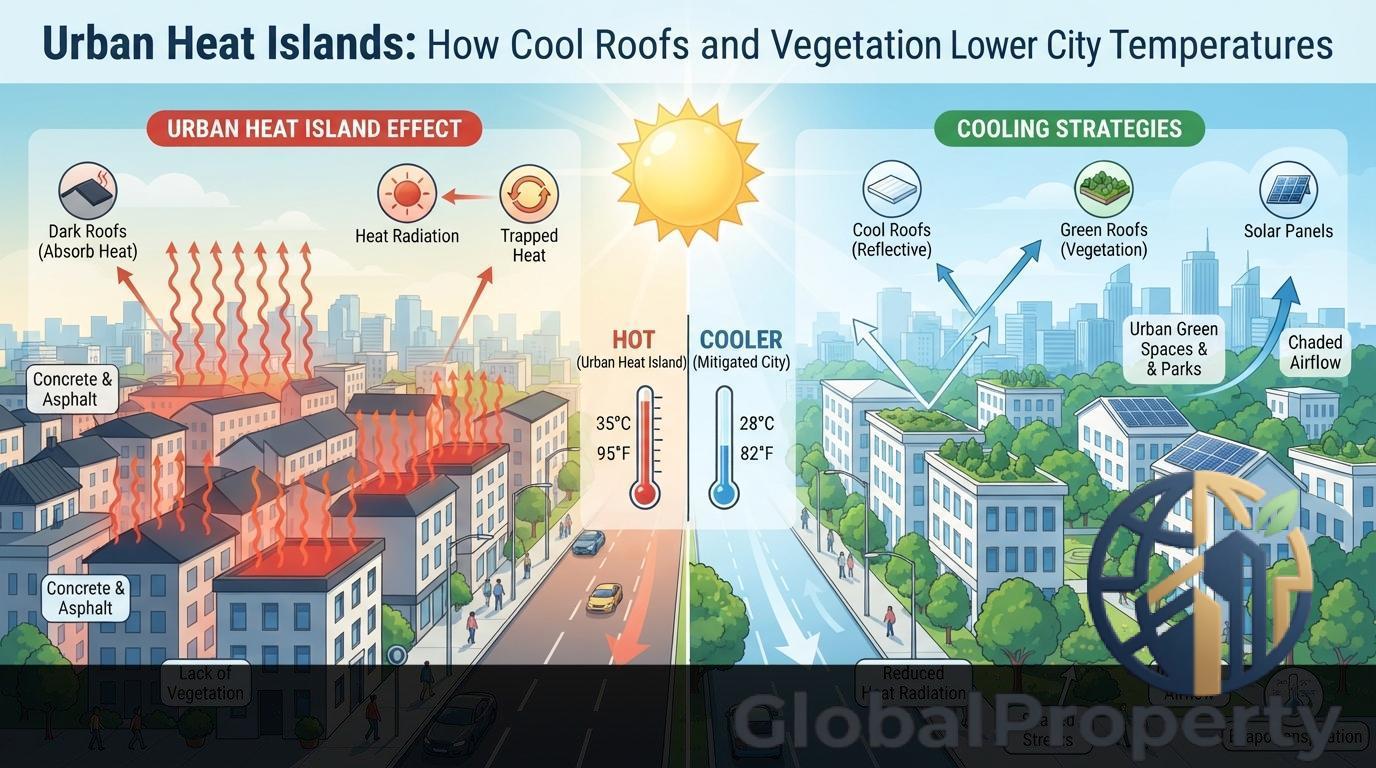
Do you ever find yourself sweltering in the oppressive heat of the city, with no relief in sight? Urban Heat Islands are a real and pressing problem that many urban dwellers face. These areas experience significantly higher temperatures than their rural surroundings due to human activities, infrastructure, and limited green spaces. As concrete jungles absorb and retain heat, the lack of vegetation exacerbates the situation, creating a literal hotbed of discomfort for city residents.
Imagine the scorching summers becoming even more unbearable as the heat radiates off the concrete pavements, buildings, and roads, making it feel like there’s no escape from the relentless sun. The consequences of Urban Heat Islands extend beyond mere discomfort; they contribute to increased energy consumption for air conditioning, higher pollution levels, and even health risks for vulnerable populations. The lack of respite from the heat can lead to heat-related illnesses and exacerbate the effects of climate change in urban areas.
But fear not, for there are solutions at hand that can help combat the urban heat menace. Cool roofs and increased vegetation offer a ray of hope in lowering city temperatures and creating more liveable urban environments. By implementing reflective roofing materials and planting trees and greenery strategically, we can mitigate the effects of Urban Heat Islands, reduce energy costs, improve air quality, and enhance the overall well-being of city residents. Join us on this journey to explore how cool roofs and vegetation can transform our cities into cooler, greener, and more sustainable spaces for all to enjoy.
What are Urban Heat Islands?
Urban Heat Islands are areas within cities that experience significantly higher temperatures than their surrounding rural areas. This phenomenon is primarily caused by human activities such as the construction of buildings, roads, and other infrastructure that absorb and retain heat. The lack of vegetation and green spaces in urban areas also contributes to the heat island effect.
As cities grow and develop, the urban heat island effect becomes more pronounced, leading to increased energy consumption, higher air pollution levels, and potential health risks for residents. Understanding the factors that contribute to urban heat islands is crucial for implementing effective mitigation strategies to reduce their impact on city temperatures.
Cool Roofs: Definition and Benefits
Cool roofs are designed to reflect more sunlight and absorb less heat compared to traditional roofs. They are typically made of materials that have high solar reflectance and thermal emittance properties, helping to reduce the surface temperature of buildings and mitigate the urban heat island effect.
By installing cool roofs on buildings, cities can lower indoor temperatures, reduce energy consumption for cooling, and improve overall comfort for residents. Additionally, cool roofs can extend the lifespan of roofing materials and contribute to lower greenhouse gas emissions, making them a sustainable solution for combating urban heat islands.
What are Urban Heat Islands?
Urban Heat Islands are areas within cities that experience significantly higher temperatures than their rural surroundings due to human activities and urbanization. The built environment in cities, such as concrete structures, asphalt roads, and lack of green spaces, absorbs and retains heat, creating pockets of elevated temperatures. This phenomenon can lead to various environmental and health issues, including increased energy consumption for cooling, air pollution, and heat-related illnesses.
Impact on City Temperatures
The impact of Urban Heat Islands on city temperatures can be substantial, with temperatures in urban areas often several degrees higher than in rural areas. This temperature differential, known as the urban heat island effect, can exacerbate heat waves, worsen air quality, and increase energy demand for cooling buildings. Vulnerable populations, such as the elderly and low-income communities, are particularly at risk from heat-related illnesses during extreme heat events in urban areas.
4. Cool Roofs: Definition and Benefits
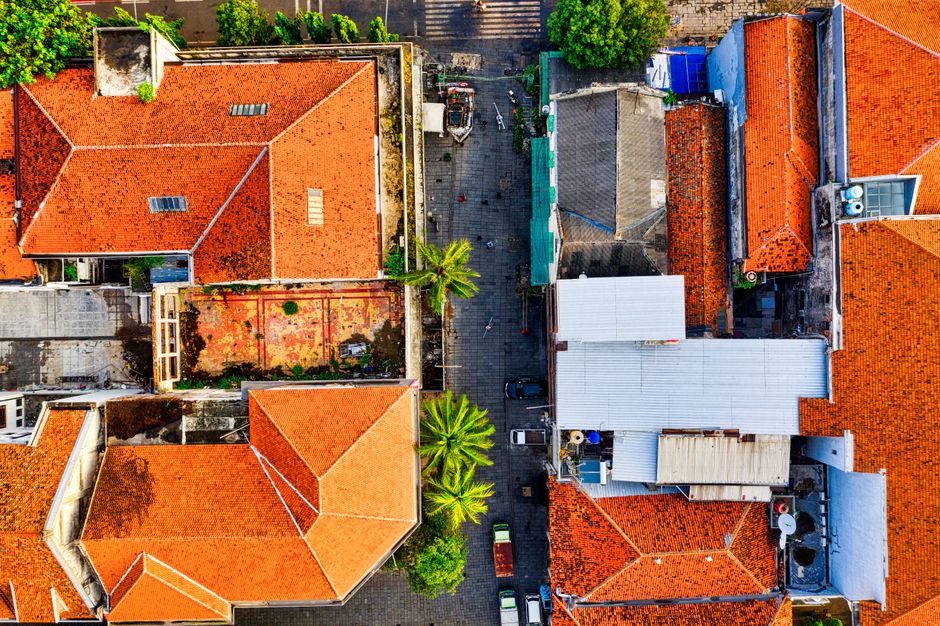
Cool roofs are roofing systems designed to reflect more sunlight and absorb less heat compared to traditional dark-colored roofs. By incorporating materials that have high solar reflectance and thermal emittance, cool roofs help reduce the amount of heat transferred to the building below, thereby lowering indoor temperatures. This simple yet effective solution can significantly contribute to mitigating urban heat island effects in densely populated areas.
The benefits of cool roofs extend beyond individual buildings to the overall urban environment. By reducing the heat absorbed by structures, cool roofs help lower energy consumption for air conditioning, leading to cost savings for building owners and reducing greenhouse gas emissions. Additionally, cooler roofs contribute to improved air quality and overall comfort in urban areas, making them a sustainable and practical solution for combating the heat island effect.
Vegetation Solutions for Urban Heat Islands
Vegetation solutions for urban heat islands play a crucial role in mitigating the adverse effects of heat accumulation in cities. Green spaces such as parks, green roofs, and urban forests help reduce the urban heat island effect by providing shade, lowering surface temperatures, and promoting evapotranspiration. Trees, in particular, offer natural cooling through shade and the release of water vapor through their leaves, creating a more comfortable microclimate.
Strategic planting of trees and vegetation not only helps cool down urban areas but also improves air quality, reduces energy consumption for cooling, and enhances the overall aesthetics of the cityscape. Cities worldwide are increasingly implementing green infrastructure projects to combat urban heat islands and create more sustainable and livable urban environments for their residents.
Case Studies
Case studies provide real-world examples of how urban heat islands have been addressed in different cities. These studies offer insights into the effectiveness of various strategies in reducing the urban heat island effect. By analyzing these cases, urban planners and policymakers can learn from successful initiatives and tailor solutions to the specific needs of their own cities.
Example 1: Cool Roof Implementation in Los Angeles
In Los Angeles, the city implemented a widespread cool roof program to combat rising temperatures in urban areas. By coating roofs with reflective materials, buildings were able to reduce heat absorption and lower indoor temperatures. The initiative not only helped decrease energy consumption for cooling but also contributed to a more comfortable urban environment for residents.
Example 2: Green Space Expansion in Singapore
Singapore has prioritized the creation of green spaces throughout the city to counteract the urban heat island effect. By increasing vegetation cover, the city has improved air quality, reduced surface temperatures, and enhanced overall livability. The incorporation of parks, green roofs, and vertical gardens has transformed Singapore into a model for sustainable urban planning in combating heat-related challenges.
Conclusion
Urban Heat Islands are a pressing issue in cities worldwide, leading to increased temperatures and various environmental and health impacts. Strategies like cool roofs and vegetation solutions offer promising ways to mitigate the effects of UHIs and create healthier urban environments.
In conclusion, addressing Urban Heat Islands requires a multifaceted approach that involves city planning, policy changes, and community involvement. By implementing sustainable solutions and raising awareness about the impacts of UHIs, cities can work towards creating cooler and more resilient urban spaces for current and future generations.