
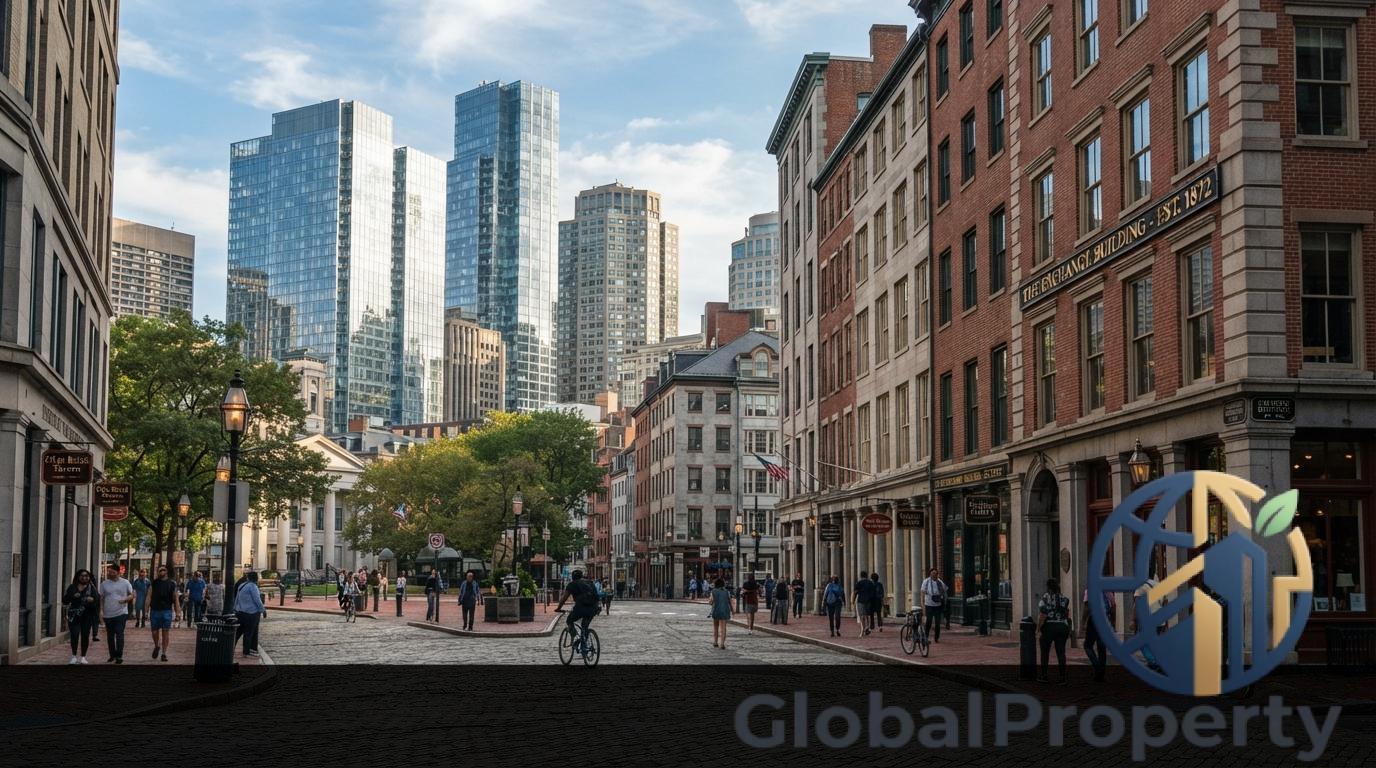
Have you ever walked through a city and marveled at the juxtaposition of historic buildings standing tall amidst modern skyscrapers? It’s a sight that ignites a sense of wonder and curiosity, but beneath the surface lies a complex and often contentious debate: historic preservation versus modern urban growth. This clash of values and priorities poses a significant challenge for urban planners, policymakers, and communities worldwide as they strive to strike a delicate balance between honoring the past and embracing the future.
Imagine a city where every old building, every cobblestone street, every historic landmark is bulldozed to make way for gleaming glass towers and cookie-cutter developments. The rich tapestry of history, culture, and identity woven into the urban fabric is erased, replaced by a sterile landscape devoid of character and soul. The consequences of unchecked modern urban growth are far-reaching, leading to the loss of heritage, community displacement, and the erosion of social cohesion. The very essence of what makes a city unique and vibrant is at risk of being sacrificed on the altar of progress.
Finding the elusive equilibrium between historic preservation and modern urban growth is not an insurmountable challenge – it is an opportunity for creativity, innovation, and collaboration. By embracing adaptive reuse, sustainable development practices, and community engagement, cities can honor their past while embracing the future. Through thoughtful planning, respectful restoration, and visionary design, we can create urban environments that seamlessly blend history with modernity, ensuring that future generations inherit a legacy worth cherishing. Join us on a journey to explore how we can navigate this intricate dance between the old and the new, preserving the essence of our past while building a sustainable and vibrant future for all.
Importance of Historic Preservation
Historic preservation plays a crucial role in maintaining the cultural identity and heritage of a community. By preserving historic buildings, landmarks, and sites, we are able to connect with the past, understand our roots, and appreciate the craftsmanship and architectural styles of bygone eras. These historic structures serve as tangible links to our history, telling stories of our ancestors and the events that shaped our present.
Furthermore, historic preservation contributes to the economic development of a region by attracting tourists, creating jobs, and revitalizing neighborhoods. Preserving historic sites not only adds to the charm and character of a place but also enhances property values and fosters a sense of pride and belonging among residents. It is essential to recognize the value of our heritage and protect it for future generations to enjoy.
Impact of Modern Urban Growth
Modern urban growth poses a significant threat to historic preservation efforts as cities expand and develop at a rapid pace. The pressure to accommodate growing populations often leads to the demolition or neglect of historic buildings in favor of new construction projects. This relentless pursuit of modernization can erode the unique character and identity of a community, resulting in the loss of irreplaceable cultural assets.
Moreover, modern urban growth can disrupt the social fabric of neighborhoods, displace long-time residents, and contribute to environmental degradation. Balancing the need for urban development with the preservation of historic sites is a complex challenge that requires careful planning, thoughtful design, and community engagement. Finding sustainable solutions that prioritize both growth and preservation is essential to creating vibrant and resilient cities for the future.
Importance of Historic Preservation
Historic preservation plays a crucial role in maintaining the cultural identity and heritage of a community. By safeguarding buildings, sites, and artifacts of historical significance, we are preserving the stories and memories of the past for future generations. These preserved landmarks serve as tangible links to our history, providing insights into our ancestors’ way of life, architectural achievements, and societal values.
Impact of Modern Urban Growth
The rapid pace of modern urban growth often poses a threat to historic preservation efforts. As cities expand and develop, older structures are frequently demolished or altered to make way for new construction projects. This unchecked growth can erode the character and charm of historic neighborhoods, leading to the loss of valuable historical assets. Balancing the need for development with the preservation of our heritage is a challenging task that requires careful planning and collaboration between various stakeholders.

Challenges in Finding the Balance
Historic preservation and modern urban growth often find themselves in a delicate dance of balance and tension. While the importance of preserving historical sites and buildings is evident, the rapid expansion of urban areas poses significant challenges. One of the primary hurdles is reconciling the need for development with the preservation of cultural heritage. Striking a balance between progress and conservation requires thoughtful planning, collaboration between stakeholders, and a deep understanding of the value of both historical and modern elements in urban landscapes.
Strategies for Successful Coexistence
To achieve successful coexistence between historic preservation and modern urban growth, strategic approaches must be implemented. Adopting adaptive reuse techniques, such as repurposing old buildings for new functions, can breathe new life into historical structures while accommodating modern needs. Encouraging community involvement and promoting awareness of the importance of heritage conservation are also crucial strategies. Furthermore, implementing zoning regulations that respect the historical significance of certain areas can help maintain the unique character of a city while allowing for controlled development.
Importance of Historic Preservation
Historic preservation plays a crucial role in maintaining the cultural identity and heritage of a community. By preserving historic buildings, sites, and monuments, we are able to connect with our past and appreciate the architectural and cultural significance of our predecessors. These historic landmarks serve as tangible reminders of our history and provide a sense of continuity and belonging to future generations.
Impact of Modern Urban Growth
Modern urban growth often poses a significant threat to historic preservation efforts. As cities expand and develop, historic buildings and neighborhoods are at risk of being demolished or altered beyond recognition. The rapid pace of urbanization can lead to the loss of valuable historical resources and diminish the unique character of a city. It is essential to strike a balance between growth and preservation to ensure the sustainable development of urban areas.
Challenges in Finding the Balance
One of the major challenges in finding the balance between modern development and historic preservation is the conflicting interests of various stakeholders. Developers may prioritize economic growth and efficiency, while preservationists advocate for the protection of historical sites. Additionally, limited resources and lack of public awareness can hinder preservation efforts. Overcoming these challenges requires collaboration, compromise, and a shared commitment to preserving our cultural heritage.
Strategies for Successful Coexistence
Successful coexistence between modern urban growth and historic preservation can be achieved through careful planning, community engagement, and adaptive reuse of historic buildings. Implementing zoning regulations, incentives for preservation, and public education programs can help protect historical sites while promoting sustainable development. By fostering a culture of appreciation for our heritage and innovation, cities can thrive while preserving their unique identity.
Case Studies of Historic Preservation
Case Study 1: The High Line, New York City
The High Line is a prime example of successful historic preservation and adaptive reuse. This former elevated railway line was transformed into a public park, revitalizing the surrounding neighborhood while preserving its industrial heritage. The project seamlessly integrated green spaces, art installations, and walking paths, attracting locals and tourists alike.
Case Study 2: The Acropolis, Athens
The preservation of the Acropolis in Athens serves as a global model for protecting ancient landmarks. Through meticulous restoration and ongoing maintenance efforts, this iconic site continues to stand as a testament to the rich history of Greece. Strict regulations and innovative conservation techniques ensure the longevity of this cultural treasure for future generations.
Conclusion
Historic preservation plays a crucial role in maintaining the cultural identity and heritage of a community. It serves as a link to the past, providing a sense of continuity and connection to previous generations. As cities continue to grow and evolve, it is essential to recognize the value of preserving historic buildings and sites for future generations to appreciate and learn from.
In conclusion, finding a balance between modern urban development and historic preservation is a complex but necessary endeavor. By implementing strategies that promote successful coexistence between the old and the new, cities can create a vibrant and unique urban environment that honors the past while embracing the future.