Are you constantly worried about the amount of water being wasted in your household? Do you find yourself cringing every time you watch gallons of perfectly usable water go down the drain? If so, you’re not alone. Water scarcity is a pressing global issue, and every drop counts, especially in residential buildings where water consumption is at its peak. The core problem here is clear: how can we reduce water wastage and make a positive impact on our environment?
Imagine the frustration of knowing that the water from your showers, sinks, and laundry could be put to good use but instead ends up polluting our waterways. The consequences of not addressing this issue are dire – increased strain on already dwindling water resources, higher water bills, and a negative impact on the ecosystem. The guilt of contributing to this wastage can be overwhelming, leaving us feeling helpless in the face of such a critical problem.
But fear not, there is a solution that can help alleviate these concerns and make a real difference – greywater recycling systems. By implementing these systems in residential buildings, we can harness and treat greywater for reuse in flushing toilets, watering gardens, and other non-potable uses. Not only does this help conserve water and reduce your environmental footprint, but it also provides a practical and sustainable way to address the issue of water wastage in our daily lives. Join the movement towards a more water-conscious future – let’s explore the wonders of greywater recycling together!
Importance of Water Conservation
Water conservation is crucial for preserving our planet’s freshwater resources and ensuring sustainable access to clean water for future generations. By reducing water wastage through efficient practices and technologies, we can help alleviate water scarcity issues, protect aquatic ecosystems, and minimize energy consumption associated with water treatment and distribution.
Conserving water also plays a significant role in mitigating the impacts of climate change, as water-intensive activities contribute to greenhouse gas emissions. By promoting awareness about the importance of water conservation and implementing water-saving measures in our daily lives, we can contribute to a more sustainable and resilient water future for all.
Benefits of Greywater Recycling
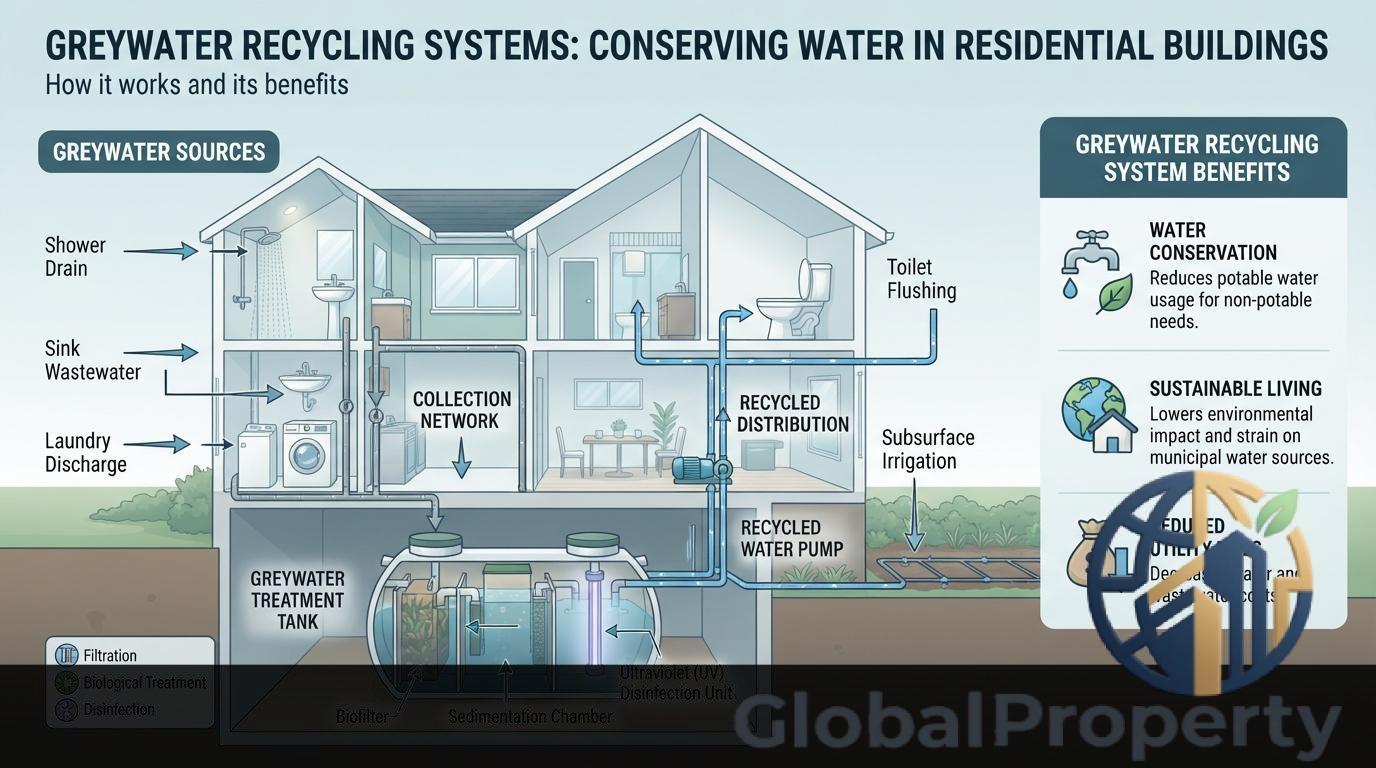
Greywater recycling offers a sustainable solution for reducing freshwater consumption in residential and commercial settings. By capturing and treating greywater from sinks, showers, and laundry, this practice allows for the reuse of water in non-potable applications such as irrigation, toilet flushing, and outdoor cleaning.
Not only does greywater recycling help conserve valuable freshwater resources, but it also provides cost savings on water bills and reduces the strain on municipal water supplies. Additionally, by diverting greywater from the sewer system, this practice helps alleviate the burden on wastewater treatment plants and promotes a more efficient use of water resources within communities.
Greywater Recycling Systems Overview
Greywater recycling systems are innovative solutions that help conserve water by reusing wastewater from activities like laundry, dishwashing, and bathing. These systems treat greywater to remove impurities and contaminants, making it safe for non-potable uses such as irrigation, flushing toilets, and outdoor cleaning. By implementing greywater recycling systems, households and businesses can significantly reduce their water consumption and environmental impact.
Benefits of Greywater Recycling
Greywater recycling offers numerous benefits both environmentally and economically. By reusing greywater, users can lower their water bills, reduce the strain on freshwater resources, and decrease the amount of wastewater entering treatment facilities. Additionally, greywater recycling promotes sustainable practices, helps conserve energy used in water treatment, and contributes to overall water conservation efforts. Investing in greywater recycling systems is a proactive step towards creating a more sustainable and efficient water management system.
Benefits of Greywater Recycling
Greywater recycling systems offer numerous benefits for both the environment and homeowners. By reusing water from sources such as sinks, showers, and laundry machines, households can significantly reduce their water consumption. This not only conserves a precious resource but also lowers utility bills. Additionally, greywater recycling systems help in reducing the strain on municipal water treatment facilities and lessen the overall demand for freshwater sources. This sustainable practice contributes to a greener lifestyle and promotes water conservation efforts on a larger scale.
Types of Greywater Recycling Systems
There are various types of greywater recycling systems available for residential and commercial use. Common systems include simple systems that divert greywater for outdoor irrigation, as well as more complex systems that filter and treat greywater for indoor non-potable uses. Some systems utilize gravity for distribution, while others may require pumps for efficient water movement. Understanding the different types of greywater recycling systems can help individuals choose the most suitable option based on their water usage patterns and property requirements.
Types of Greywater Recycling Systems
Greywater recycling systems come in various types to suit different needs and budgets. One common type is the laundry-to-landscape system, which redirects water from the washing machine to irrigate plants. Another popular option is the branched drain system, where greywater is filtered and distributed to multiple locations for irrigation. Additionally, pumped systems are available, which use pumps to move greywater to desired areas when gravity flow is not sufficient.
For those looking for a more advanced solution, treatment systems are available that filter and disinfect greywater for reuse in toilets or for outdoor irrigation. These systems typically involve multiple stages of filtration and may include UV sterilization or chemical treatments to ensure water quality. When choosing a greywater recycling system, it’s important to consider factors such as water usage patterns, space availability, and desired level of water treatment.
Installation and Maintenance
Installing a greywater recycling system in your home can be a practical and eco-friendly way to reduce water usage and contribute to environmental conservation efforts. Proper installation is crucial to ensure the system functions efficiently and effectively. It is recommended to consult with professionals or follow detailed step-by-step guides to set up the system correctly.
Maintenance of a greywater recycling system is relatively simple but requires regular attention to ensure optimal performance. This includes routine checks for leaks, blockages, and proper filtration. Additionally, periodic cleaning of filters and components may be necessary to prevent clogs and maintain water quality. By following recommended maintenance practices, you can prolong the lifespan of the system and continue to benefit from water conservation efforts.
Conclusion
Water conservation is crucial for the sustainable management of our planet’s resources. Implementing greywater recycling systems can significantly contribute to reducing water consumption in households and businesses. By reusing wastewater from sinks, showers, and laundry, we can lessen the strain on freshwater sources and decrease wastewater disposal. It is essential for individuals and communities to proactively adopt these eco-friendly practices to ensure a more water-efficient future.