
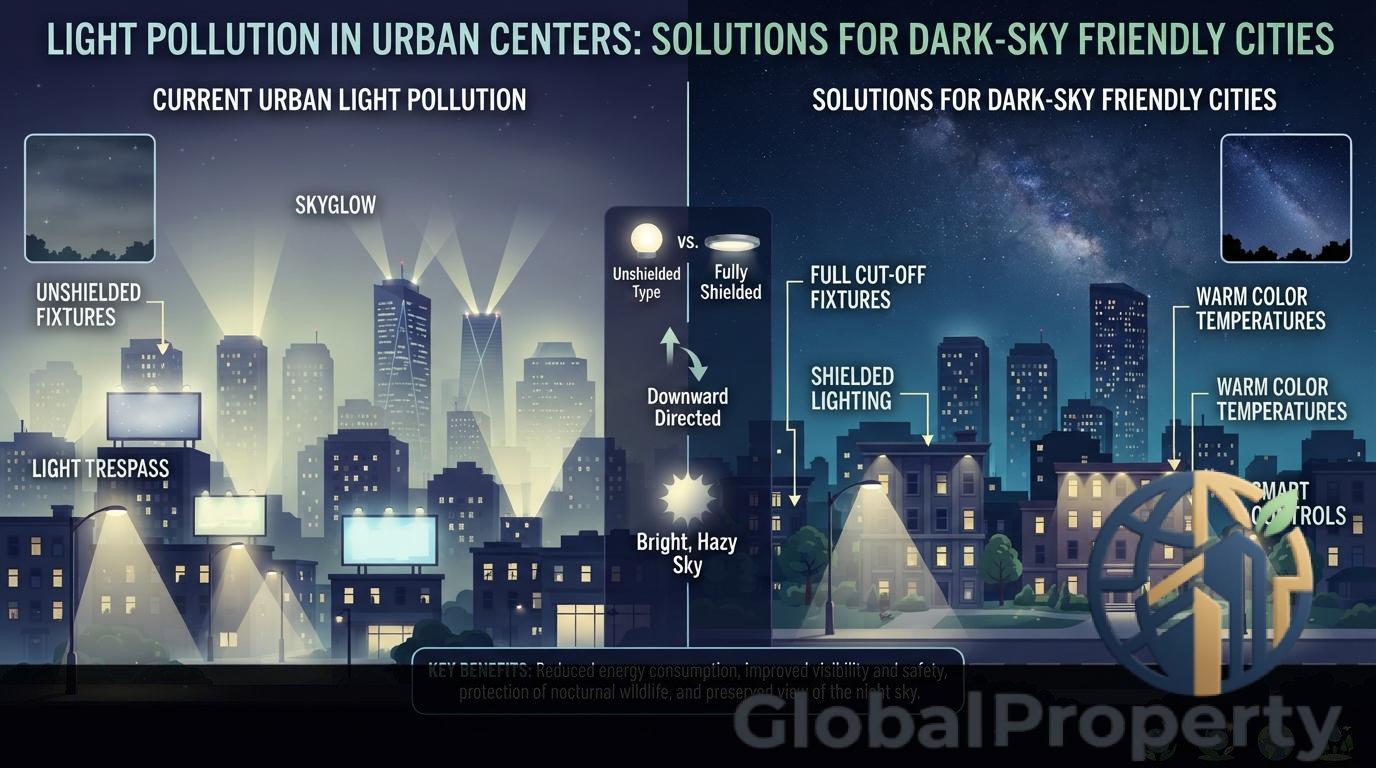
Do you ever look up at the night sky in the city, hoping to catch a glimpse of the stars, only to be met with a hazy glow that drowns out the natural beauty of the cosmos? This is the unfortunate reality of light pollution in urban centers. The excessive and misdirected artificial light not only obstructs our view of the stars but also disrupts ecosystems, affects human health, and wastes energy. As our cities grow brighter, the problem of light pollution becomes more pressing, highlighting the urgent need for solutions to create dark-sky friendly cities.
Imagine a world where the stars above us are no longer visible, where nocturnal animals struggle to navigate, and where our own circadian rhythms are thrown off balance due to constant exposure to artificial light. The consequences of unchecked light pollution are far-reaching and often underestimated. Not only does it obscure our view of the night sky, but it also interferes with wildlife behavior, disturbs sleep patterns, and contributes to global energy consumption and carbon emissions. The impact of light pollution extends beyond aesthetics, posing a significant threat to both the environment and human well-being.
Fortunately, there are practical solutions available to combat light pollution and transform our urban centers into dark-sky friendly cities. By implementing responsible lighting practices, such as shielding lights, using energy-efficient bulbs, and implementing smart lighting technologies, we can reduce light pollution while still ensuring safety and visibility in our cities. Through collective awareness, advocacy, and action, we have the power to reclaim our connection to the night sky and create a more sustainable and harmonious environment for all. Join us on this journey to explore the solutions for light pollution and pave the way towards a brighter, star-filled future.
Impact of Light Pollution on Urban Centers
Light pollution in urban centers has a multitude of negative effects on both the environment and human health. The excessive artificial light disrupts natural ecosystems, affecting nocturnal animals’ behavior and migration patterns. Additionally, the glare from bright lights at night can interfere with the natural circadian rhythms of humans, leading to sleep disturbances and other health issues. In urban areas, the overabundance of light can also obscure views of the night sky, limiting access to astronomical observations and impacting cultural connections to the cosmos.
Dark-Sky Friendly Lighting Solutions
Implementing dark-sky friendly lighting solutions in urban centers is crucial to mitigate the harmful effects of light pollution. This involves using shielded fixtures to direct light downwards, reducing glare and light spillage. Choosing warm-colored LED lights with lower color temperatures can also help minimize the disruptive impact on wildlife and human health. Additionally, incorporating smart lighting technologies that dim or turn off lights when not needed can further reduce energy consumption and light pollution levels in urban areas.
Dark-Sky Friendly Lighting Solutions
Dark-sky friendly lighting solutions are crucial in combatting light pollution and preserving our natural environment. By implementing technologies such as shielded fixtures, lower-intensity bulbs, and motion sensors, cities can significantly reduce light spillage and glare. Shielded fixtures direct light downwards, minimizing upward light dispersion and preserving the night sky’s darkness. Lower-intensity bulbs, such as LEDs with warmer color temperatures, not only reduce energy consumption but also contribute to a more natural and less intrusive nighttime ambiance. Additionally, motion sensors can be used to activate lighting only when necessary, further minimizing unnecessary light pollution. Embracing these dark-sky friendly lighting solutions can help create a more sustainable and environmentally conscious urban landscape.
Urban Planning Strategies to Reduce Light Pollution
Urban planning strategies play a vital role in mitigating light pollution and promoting a healthier nighttime environment. Zoning regulations that limit excessive outdoor lighting, encourage the use of dark-sky compliant fixtures, and mandate lighting curfews can help reduce light pollution in urban centers. Incorporating green spaces and natural buffer zones between residential and commercial areas can also help shield communities from excessive light intrusion. Additionally, promoting the use of public transportation, pedestrian-friendly infrastructure, and mixed-use development can help decrease the overall demand for artificial lighting in urban areas. By integrating these urban planning strategies, cities can create more sustainable and night-friendly environments for their residents and wildlife.

Urban Planning Strategies to Reduce Light Pollution
Urban planning plays a crucial role in mitigating light pollution in cities. By implementing smart design principles and regulations, cities can minimize unnecessary artificial light that contributes to sky glow and disrupts ecosystems. One effective strategy is the use of zoning ordinances to control outdoor lighting, ensuring that fixtures are shielded and directed downwards to reduce light spillage. Additionally, incorporating lighting design guidelines into urban planning processes can help promote energy-efficient and dark-sky friendly lighting solutions.
Benefits of Dark-Sky Friendly Cities
Dark-sky friendly cities offer a host of benefits to residents, wildlife, and the environment. By reducing light pollution, these cities not only improve the visibility of stars and celestial bodies but also create a more tranquil and natural nighttime environment. This can lead to improved sleep quality for residents, reduced energy consumption, and enhanced biodiversity. Furthermore, dark-sky friendly cities attract astrotourism, boosting local economies and promoting awareness of sustainable lighting practices.
Benefits of Dark-Sky Friendly Cities
Dark-sky friendly cities offer a range of benefits that extend beyond simply reducing light pollution. By implementing responsible lighting practices, these cities can create a more sustainable and eco-friendly environment. One of the key advantages is the preservation of natural habitats and wildlife. Excessive artificial light disrupts ecosystems and can negatively impact nocturnal animals. Dark-sky friendly cities also promote energy efficiency by using lighting technologies that minimize light spillage and waste. This not only reduces energy consumption but also lowers costs for municipalities and residents.
Case Studies of Successful Dark-Sky Friendly Cities
Several cities around the world have successfully implemented dark-sky friendly initiatives to combat light pollution. For example, Flagstaff, Arizona, is renowned for its strict lighting ordinances and efforts to protect the night sky. The city of Tucson, Arizona, has also made significant progress in reducing light pollution through comprehensive lighting regulations and community engagement. Internationally, cities like Tucson, Spain, have implemented innovative lighting designs that prioritize dark-sky preservation. These case studies serve as inspirations for other urban centers looking to create a more sustainable and star-friendly environment for their residents.
Benefits of Dark-Sky Friendly Cities
Dark-sky friendly cities offer a range of benefits that go beyond reducing light pollution. By implementing smart lighting solutions that prioritize darkness at night, these cities can enhance public health by improving sleep patterns and reducing disruptions to the natural circadian rhythms of residents. Additionally, dark-sky friendly cities can save energy and reduce costs by using efficient lighting systems that minimize light spillage and unnecessary illumination.
Moreover, these cities create opportunities for stargazing and appreciation of the night sky, which can boost tourism and local economies. By fostering a connection to the natural environment and promoting sustainable practices, dark-sky friendly cities enhance quality of life for residents and contribute to a more harmonious urban environment.
Case Studies of Successful Dark-Sky Friendly Cities
1. Tucson, Arizona
Tucson, Arizona, has been a pioneer in implementing dark-sky friendly practices. Through lighting ordinances and community engagement, the city has successfully reduced light pollution while maintaining safety and security for residents. Tucson’s efforts have not only preserved the astronomical research conducted in the nearby mountains but also enhanced the quality of life for its residents by promoting a more natural night environment.
2. Flagstaff, Arizona
Flagstaff, Arizona, is another prime example of a dark-sky friendly city. Known for its commitment to preserving the night sky, Flagstaff has implemented strict lighting regulations and public awareness campaigns to reduce light pollution. This has not only benefited the local community but also attracted astronomy enthusiasts and tourists seeking clear views of the stars. By prioritizing dark-sky practices, Flagstaff has become a shining example of sustainable and responsible urban lighting.
Conclusion: Promoting Sustainable Lighting Practices
Sustainable lighting practices are crucial for preserving the night sky and reducing light pollution. By implementing dark-sky friendly lighting solutions and urban planning strategies, cities can significantly minimize light pollution and create a more environmentally sustainable and energy-efficient urban environment.
It is essential for policymakers, urban planners, and citizens to collaborate and promote awareness about the impact of light pollution on our health, wildlife, and the overall quality of life. Through education and advocacy, we can work towards creating dark-sky friendly cities that prioritize smart lighting design and environmental conservation.