
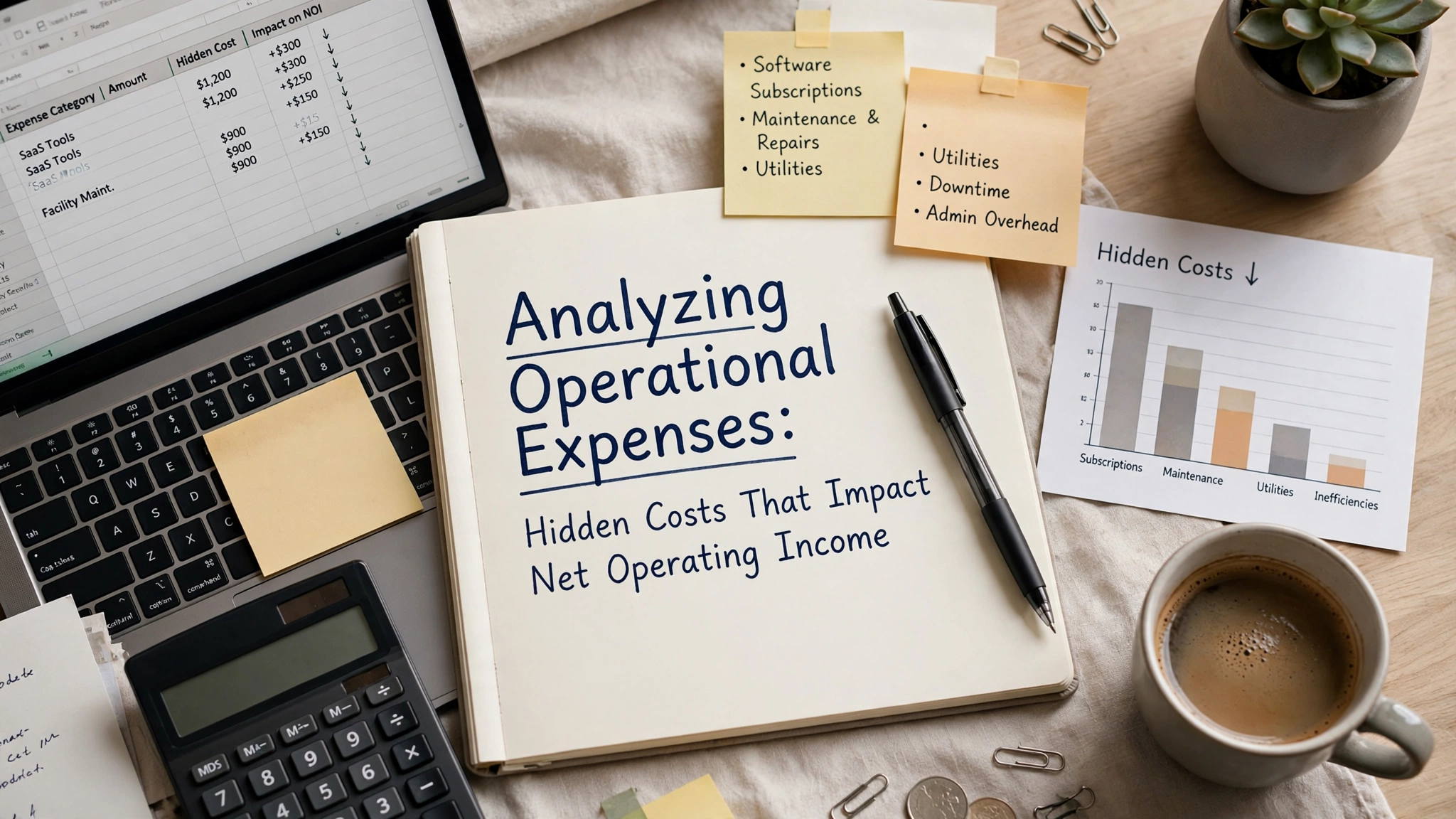
Are you struggling to make sense of your company’s financial performance, particularly when it comes to operational expenses? If so, you’re not alone. Many business owners and managers find it challenging to accurately analyze their operational costs, leading to a significant impact on their net operating income. Understanding the hidden costs buried within your operational expenses is crucial for optimizing your financial performance and ensuring long-term business success.
Imagine the frustration of realizing that your net operating income is not as healthy as you initially thought due to unidentified hidden costs eating away at your profitability. These hidden costs can lurk beneath the surface, impacting your bottom line without you even realizing it. From inefficient processes to overlooked expenses, these hidden costs can derail your financial goals and hinder your business growth. The longer these costs go unnoticed, the more they can accumulate, ultimately jeopardizing your company’s financial health.
But fear not, there is a solution to uncover and address these hidden costs that are impacting your net operating income. By conducting a thorough analysis of your operational expenses, you can shine a light on these hidden costs and take proactive steps to mitigate their impact on your bottom line. Armed with this knowledge, you can make informed decisions, streamline your operations, and boost your net operating income. It’s time to delve deeper into your financial data, identify the hidden costs, and pave the way for a more profitable future. Let’s embark on this journey together towards financial clarity and success!
2. Understanding Operational Expenses
Operational expenses are the day-to-day costs incurred by a business to keep it running. These expenses encompass a wide range of items such as rent, utilities, salaries, supplies, and maintenance. Understanding operational expenses is crucial for businesses as it directly impacts their bottom line. By analyzing and categorizing these expenses, a company can identify areas where costs can be optimized or reduced to improve profitability. Monitoring operational expenses regularly allows businesses to make informed decisions and allocate resources efficiently.
3. Types of Hidden Costs
Hidden costs are expenses that are not immediately apparent but can significantly impact a company’s finances. These costs can include inefficiencies in processes, underutilized resources, unexpected maintenance expenses, or penalties for non-compliance. Identifying and addressing hidden costs is essential to avoid financial surprises and maintain a healthy bottom line. By conducting thorough audits and analysis, businesses can uncover these hidden costs and implement strategies to mitigate them effectively.
Types of Hidden Costs
Hidden costs are expenses that are not immediately apparent but can significantly impact a business’s bottom line. These costs often go unnoticed because they are not included in the regular operational expenses. One type of hidden cost is maintenance expenses that arise unexpectedly, such as equipment breakdowns or repairs. These costs can disrupt operations and lead to additional expenses that were not budgeted for.
Another common type of hidden cost is employee turnover. When employees leave a company, there are costs associated with recruiting, training, and onboarding new staff. These costs can add up quickly and impact the overall profitability of a business. It is crucial for businesses to identify and address these hidden costs to maintain a healthy financial outlook.
Impact on Net Operating Income
Hidden costs can have a significant impact on the net operating income of a business. These costs are often overlooked or underestimated, leading to a decrease in profitability. When operational expenses are not accurately accounted for, they can eat into the revenue generated by the business, ultimately affecting the net operating income. It is crucial for businesses to identify and quantify hidden costs to ensure a more accurate reflection of their financial performance.
Strategies to Mitigate Hidden Costs
Businesses can implement various strategies to mitigate hidden costs and improve their net operating income. Conducting regular audits and reviews of operational expenses can help identify areas where hidden costs may be lurking. Negotiating better deals with suppliers, optimizing processes to eliminate waste, and investing in technology to streamline operations are all effective ways to reduce hidden costs. By proactively addressing these hidden expenses, businesses can enhance their financial performance and increase their net operating income.
Strategies to Mitigate Hidden Costs
Identifying and mitigating hidden costs is crucial for maintaining a healthy bottom line in any business. One effective strategy is to conduct regular cost analysis to uncover any hidden expenses that may be impacting the net operating income. This analysis can involve scrutinizing all operational processes and expenses, including overhead costs, inventory management, and employee productivity.
Implementing cost-saving measures such as renegotiating contracts with suppliers, optimizing inventory levels, and streamlining operational processes can help reduce hidden costs significantly. Additionally, investing in technology solutions that automate tasks and provide real-time insights can improve efficiency and reduce the likelihood of hidden costs going unnoticed.
Case Studies
Exploring real-world case studies can provide valuable insights into how businesses have successfully identified and mitigated hidden costs. By examining specific examples of companies that faced hidden cost challenges and implemented effective strategies, businesses can learn from past experiences and apply similar approaches to their own operations.
Case studies can illustrate the impact of hidden costs on net operating income and showcase the positive outcomes that result from proactive cost management. By studying the experiences of others, businesses can gain a deeper understanding of the importance of mitigating hidden costs and the tangible benefits of doing so.
Case Studies
Case Study 1: Retail Business
In this case study, a retail business identified hidden costs in its supply chain that were impacting its net operating income. By conducting a thorough analysis of operational expenses, the business discovered that inefficient inventory management was leading to excess storage costs and frequent stockouts. To mitigate these hidden costs, the business implemented an automated inventory tracking system and optimized its order fulfillment process. As a result, the business saw a significant reduction in storage expenses and an improvement in overall profitability.
Case Study 2: Manufacturing Company
A manufacturing company faced challenges with hidden costs related to equipment maintenance and downtime. By closely examining its operational expenses, the company found that reactive maintenance practices were leading to unexpected repair costs and production delays. To address this issue, the company shifted to a proactive maintenance approach and implemented a predictive maintenance program using advanced analytics and IoT technology. This proactive strategy helped the company reduce equipment downtime, minimize repair expenses, and enhance its net operating income.
Conclusion
In conclusion, understanding and managing hidden costs is crucial for businesses to maintain a healthy net operating income. By identifying and addressing these costs proactively, organizations can improve their bottom line and overall operational efficiency. Implementing strategies such as regular cost audits, vendor negotiations, and process optimization can help mitigate the impact of hidden costs. Learning from real-world case studies can provide valuable insights into how other businesses have successfully managed hidden costs in their operations. Ultimately, by staying vigilant and proactive in managing operational expenses, businesses can enhance their financial performance and competitive edge in the market.