
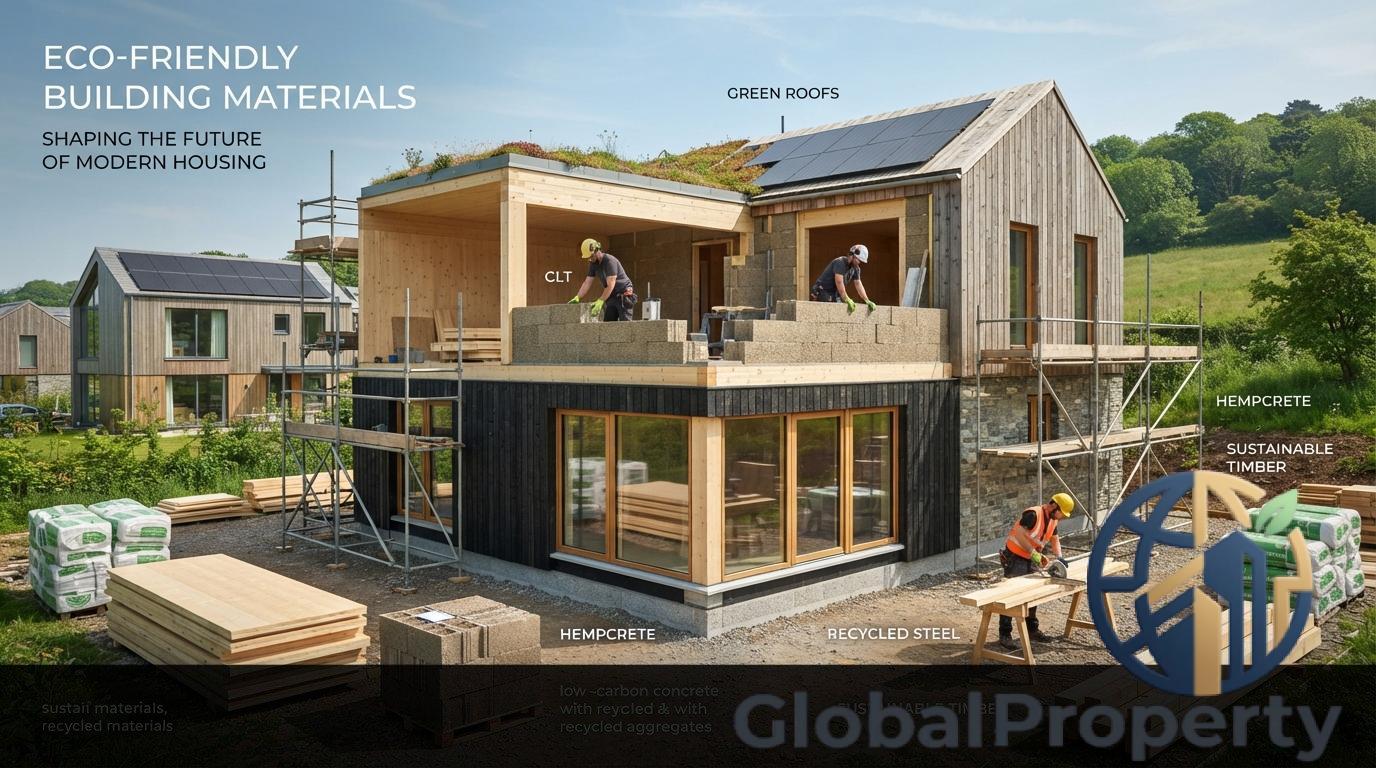
Are you tired of living in spaces that contribute to environmental degradation and compromise your health and well-being? The core problem many of us face today is the lack of sustainable and eco-friendly building materials in modern housing construction. Traditional construction methods often rely on materials that harm the environment, release harmful chemicals, and deplete precious natural resources. This not only impacts the planet but also affects our own health and the well-being of future generations.
Imagine the frustration of knowing that your home is constructed using materials that emit toxic substances, contributing to indoor air pollution and potential health issues for you and your loved ones. The consequences of not addressing this issue are dire – from increased carbon emissions to the depletion of natural resources, the negative impact of conventional building materials on our environment is undeniable. The urgency to find a solution to this pressing problem has never been greater.
Enter eco-friendly building materials, the solution to creating a sustainable and healthy living environment for present and future generations. By incorporating materials such as bamboo, recycled steel, reclaimed wood, and solar panels into modern housing construction, we can reduce our carbon footprint, minimize waste, and create healthier indoor spaces. Embracing these innovative materials not only benefits the environment but also enhances the quality of our lives. Join us on a journey to explore how eco-friendly building materials are shaping the future of modern housing, and discover how you can be a part of this transformative change towards a more sustainable and greener world.
Benefits of Using Sustainable Building Materials
Using sustainable building materials offers numerous benefits for both the environment and the inhabitants of the buildings. One of the primary advantages is the reduction of environmental impact through lower carbon emissions and resource depletion. Sustainable materials are typically sourced and manufactured using eco-friendly processes, leading to a smaller ecological footprint compared to traditional construction materials. Additionally, these materials often have higher energy efficiency, contributing to lower utility costs over the lifespan of the building.
Furthermore, sustainable building materials promote healthier indoor environments by minimizing the use of toxins and chemicals that can be harmful to human health. By choosing materials with low volatile organic compound (VOC) emissions and natural components, occupants can enjoy better air quality and overall well-being. Beyond the immediate benefits, investing in sustainable materials can also increase the value of a property and appeal to environmentally conscious consumers, making it a wise choice for both builders and homeowners.
Top 10 Eco-Friendly Building Materials for Modern Housing
When it comes to constructing modern eco-friendly homes, the choice of building materials plays a crucial role in reducing environmental impact. Here are the top 10 eco-friendly building materials that are gaining popularity in sustainable construction:
1. Bamboo
Bamboo is a fast-growing, renewable resource that is not only durable but also aesthetically pleasing. It is commonly used for flooring, furniture, and even structural elements in eco-friendly buildings.
2. Recycled Steel
Using recycled steel in construction helps reduce the demand for raw materials and minimizes waste. Steel is highly durable, making it an ideal choice for framing and structural components in sustainable buildings.
3. Cork
Cork is a versatile material that is harvested from the bark of cork oak trees without harming them. It is a great insulator, sound absorber, and can be used for flooring, wall coverings, and even roofing in eco-friendly homes.
4. Straw Bales
Straw bales are an excellent natural insulator and can be used to construct walls that are both energy-efficient and environmentally friendly. They are often used in combination with other materials for sustainable building practices.
5. Rammed Earth
Rammed earth construction involves compacting natural soil to create solid walls that offer excellent thermal mass properties. This traditional building technique is making a comeback in modern eco-friendly architecture.
6. Hempcrete
Hempcrete is a mixture of hemp fibers, lime, and water that forms a lightweight, insulating material suitable for walls, floors, and roofs. It is a sustainable alternative to traditional concrete with lower carbon footprint.
7. Reclaimed Wood
Reclaimed wood salvaged from old buildings, barns, or warehouses adds character and warmth to modern eco-friendly homes. Using reclaimed wood helps reduce deforestation and promotes recycling in construction.
8. Solar Panels
Solar panels harness the power of the sun to generate clean electricity for sustainable homes. Installing solar panels not only reduces energy bills but also contributes to a greener environment by reducing reliance on fossil fuels.
Case Studies: Eco-Friendly Buildings Around the World
Exploring real-life examples of eco-friendly buildings can provide valuable insights into the practical application of sustainable construction practices. From the innovative Bosco Verticale in Milan, Italy, to the energy-efficient Pixel Building in Melbourne, Australia, these case studies showcase the possibilities of integrating eco-friendly materials and technologies into modern architecture. By analyzing the design, construction methods, and performance metrics of such buildings, architects and developers can learn from successful projects and apply similar principles to their own designs.
Trends in Sustainable Architecture and Design
The shift towards sustainable architecture and design is increasingly shaping the future of the construction industry. Emerging trends such as passive design strategies, biophilic elements, and the use of recycled materials are gaining momentum as architects and builders prioritize environmental responsibility and energy efficiency. Additionally, advancements in green building certifications and regulations are driving the adoption of sustainable practices on a global scale. Understanding these trends is crucial for staying ahead in the competitive field of sustainable architecture and meeting the growing demand for eco-friendly buildings.
5. Trends in Sustainable Architecture and Design
Sustainable architecture and design are continuously evolving to meet the growing demand for eco-friendly solutions in the construction industry. One of the prominent trends is the integration of biophilic design principles, which focus on incorporating natural elements such as greenery, natural light, and water features into buildings to enhance occupants’ well-being and connection to nature. This trend not only contributes to a healthier indoor environment but also promotes sustainability by reducing energy consumption and improving air quality.
Another emerging trend is the use of recycled and upcycled materials in architectural projects. Designers are exploring innovative ways to repurpose materials like reclaimed wood, recycled glass, and salvaged metal to create unique and environmentally friendly structures. This approach not only reduces waste but also adds a distinctive aesthetic appeal to buildings, showcasing the beauty of sustainable design.
Challenges and Solutions in Implementing Eco-Friendly Materials
Challenges: Implementing eco-friendly building materials presents various challenges to the construction industry. One major hurdle is the higher initial cost associated with sustainable materials compared to traditional options. This cost barrier often deters developers and homeowners from choosing eco-friendly alternatives. Additionally, the limited availability of certain sustainable materials can pose logistical challenges in sourcing and transportation, further complicating the construction process. Furthermore, there may be resistance from traditionalists in the industry who are hesitant to adopt new practices and materials.
Solutions: Despite the challenges, there are innovative solutions that can help overcome the obstacles in implementing eco-friendly materials in construction projects. One effective approach is to educate stakeholders about the long-term benefits and cost savings associated with sustainable materials. By highlighting the durability, energy efficiency, and environmental advantages of these materials, decision-makers can be convinced to prioritize sustainability in their projects. Collaboration with suppliers and manufacturers to increase the availability and affordability of eco-friendly materials is also crucial. Embracing technological advancements, such as 3D printing and modular construction, can streamline the use of sustainable materials and optimize construction processes, making it easier to integrate eco-friendly practices into mainstream building projects.
Conclusion: The Impact of Eco-Friendly Building Materials on the Future of Housing
Eco-friendly building materials are revolutionizing the construction industry and shaping the future of housing. As environmental concerns continue to gain momentum, the demand for sustainable and energy-efficient materials is on the rise. The adoption of eco-friendly building materials not only reduces the carbon footprint of buildings but also improves indoor air quality and overall health for occupants. With advancements in technology and increased awareness of environmental issues, the shift towards sustainable construction practices is inevitable.
As we look ahead, it is clear that eco-friendly building materials will play a crucial role in creating more efficient, healthier, and environmentally responsible structures. From recycled materials to innovative designs, the possibilities for sustainable architecture are endless. By incorporating these materials into construction projects, we can pave the way for a more sustainable future for generations to come. The impact of eco-friendly building materials extends far beyond individual structures, influencing urban planning, construction regulations, and ultimately, the way we live.