
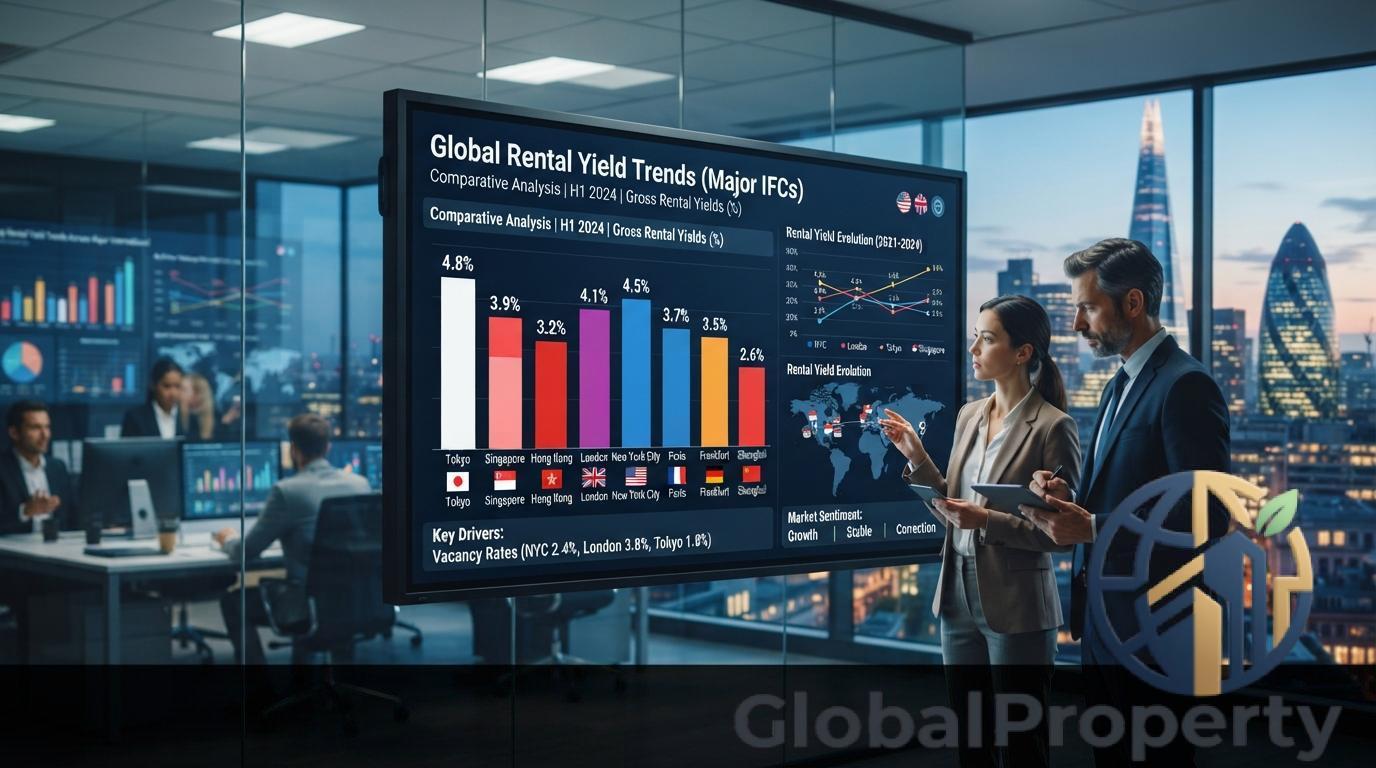
Are you a savvy real estate investor looking to maximize your returns in today’s global market? If so, you’ve likely encountered the challenge of evaluating rental yield trends across major international financial centers. The ability to accurately assess and compare rental yields in cities like New York, London, Hong Kong, and beyond is crucial for making informed investment decisions. However, navigating the complex web of data and variables can be a daunting task, leaving many investors feeling overwhelmed and uncertain about where to allocate their capital.
Imagine the frustration of investing blindly in a property, only to later realize that the rental yield falls far below your expectations. The financial repercussions of such a misstep can be significant, impacting your cash flow, profitability, and overall investment portfolio. Without a clear understanding of rental yield trends in different financial centers, you risk missing out on lucrative opportunities or, worse, making costly mistakes that could set you back years in your investment journey.
But fear not, as we unveil a comprehensive solution to your rental yield evaluation woes. In this blog post, we will delve deep into the rental yield trends across major international financial centers, providing you with valuable insights, analysis, and tools to make well-informed investment decisions. Get ready to unlock the secrets to maximizing your rental yields and take your real estate investment strategy to the next level. It’s time to seize control of your financial future and turn the uncertainty of global real estate markets into a profitable advantage!
Introduction
Real estate investment is a lucrative opportunity for investors seeking long-term returns. In today’s dynamic market, understanding rental yield trends and comparing financial centers is crucial for making informed investment decisions. This report delves into the methodology used to analyze rental yield trends and provides insights into the implications for real estate investors.
Methodology
Our methodology for analyzing rental yield trends involves collecting data from various financial centers and conducting a comprehensive analysis. By examining factors such as property prices, rental income, and market trends, we aim to provide a detailed comparison of rental yield performance across different regions. Our approach includes statistical analysis and trend forecasting to identify key insights for real estate investors looking to capitalize on emerging opportunities.
Introduction
Welcome to our in-depth analysis of rental yield trends and financial centers for real estate investors. Understanding the dynamics of rental yields and the performance of various financial centers is crucial for making informed investment decisions in the real estate market. In this report, we will delve into the methodology used, the data collection process, analysis of rental yield trends, comparison of financial centers, and the implications of these trends for real estate investors.
Methodology
In our methodology section, we outline the approach taken to gather and analyze data for this study. We utilized a combination of primary and secondary research methods to ensure the accuracy and reliability of our findings. Primary research involved collecting data directly from real estate agencies and property management companies, while secondary research included analysis of existing reports, market studies, and industry publications. By combining these methodologies, we aim to provide a comprehensive overview of rental yield trends and financial center performance.
Data Collection
For the data collection phase, we focused on gathering relevant information on rental yields and financial indicators from a variety of sources. This included rental price data, vacancy rates, economic growth metrics, and other key factors that impact real estate investment decisions. By collating data from multiple sources and conducting thorough analysis, we aim to offer valuable insights into the current market trends and opportunities for real estate investors. Our data collection process was designed to ensure accuracy and completeness, providing a solid foundation for our subsequent analysis.

Analysis of Rental Yield Trends
Rental yield trends are a crucial factor for real estate investors to consider when evaluating potential properties. By analyzing rental yield data over time, investors can identify patterns and make informed decisions about where to allocate their resources. Factors such as location, market demand, and property type can all impact rental yields. Understanding these trends can help investors anticipate future market conditions and adjust their strategies accordingly.
Comparison of Financial Centers
When comparing financial centers as potential real estate investment locations, it’s essential to consider various factors such as economic stability, market growth potential, and regulatory environment. Financial centers with strong economic fundamentals and a stable real estate market are often attractive to investors seeking long-term growth and stability. By comparing different financial centers based on these criteria, investors can make strategic decisions that align with their investment goals and risk tolerance.
Comparison of Financial Centers
When comparing financial centers for real estate investment opportunities, it is crucial to consider various factors such as rental yields, market stability, economic growth, and regulatory environment. Financial centers like New York, London, Hong Kong, Singapore, and Tokyo are known for their robust real estate markets and high demand for commercial and residential properties. Each of these cities offers unique advantages and challenges for investors.
Investors need to analyze rental yield trends, property appreciation rates, vacancy rates, and potential risks associated with investing in each financial center. Understanding the local market dynamics, economic indicators, and regulatory frameworks will help investors make informed decisions and maximize their returns on real estate investments.
Implications for Real Estate Investors
Real estate investors should closely monitor the rental yield trends and financial center comparisons to make informed investment decisions. By analyzing the data collected and trends identified, investors can identify opportunities for maximizing their returns. Understanding the implications of these trends can help investors determine which markets are most favorable for investment, whether it be in residential, commercial, or mixed-use properties.
Moreover, investors should consider the competitive landscape within each financial center, including factors such as market demand, rental prices, and regulatory environment. By staying informed and adapting their strategies based on the analysis of rental yield trends and comparisons of financial centers, real estate investors can position themselves for success in the ever-evolving real estate market.
Implications for Real Estate Investors
Real estate investors should pay close attention to the rental yield trends and the comparison of financial centers outlined in this analysis. Understanding these trends can provide valuable insights into where to invest and what to expect in terms of returns. By analyzing the data collected and the implications drawn from it, investors can make more informed decisions on where to allocate their capital.
Moreover, the implications for real estate investors go beyond just identifying potential investment opportunities. It also provides a deeper understanding of the market dynamics and the factors influencing rental yields in different financial centers. This knowledge can help investors navigate the complexities of the real estate market and position themselves strategically for long-term success.
Conclusion
In conclusion, the analysis of rental yield trends and the comparison of financial centers offer valuable insights for real estate investors looking to make informed investment decisions. By examining the data collected and the implications drawn from it, investors can gain a better understanding of market dynamics and trends that can impact their investment strategies. It is essential for investors to stay informed and adapt to changing market conditions to maximize their returns and mitigate risks in the real estate sector.