

Are you feeling the pinch of rising energy costs and wondering how they are impacting the attractiveness of regional housing markets? Well, you’re not alone. The intersection of energy expenses and housing market dynamics is becoming increasingly crucial for both current homeowners and prospective buyers. As energy costs continue to fluctuate, the ripple effects on housing affordability, investment potential, and overall market desirability are undeniable.
Imagine this: you’ve found your dream home in a charming neighborhood, but hidden beneath the surface lies a ticking time bomb of exorbitant energy bills. The frustration of pouring hard-earned money into heating, cooling, and electricity expenses can quickly turn your dream home into a financial nightmare. Moreover, high energy costs can significantly diminish the resale value of properties, making it challenging to recoup your investment when the time comes to sell. The consequences of ignoring the impact of energy costs on housing market attractiveness can be dire, affecting not only your financial well-being but also your overall quality of life.
But fear not, for there is a beacon of hope in this energy-cost labyrinth. By understanding how energy expenses are influencing regional housing market dynamics, you can make informed decisions that not only save you money in the long run but also enhance the desirability and value of your property. From exploring energy-efficient home upgrades to strategically selecting locations with lower utility costs, there are practical solutions to mitigate the negative effects of rising energy expenses on the housing market. So, join us on this enlightening journey as we unravel the intricate relationship between energy costs and regional housing market attractiveness, empowering you to make savvy real estate decisions that truly pay off.
Energy Cost Trends and Housing Market Dynamics
Energy costs play a crucial role in shaping the dynamics of the housing market at the regional level. Fluctuations in energy prices directly impact housing affordability, influencing both demand and supply factors. Higher energy costs can deter potential homebuyers due to increased operational expenses associated with homeownership. On the other hand, energy-efficient homes are becoming more attractive as consumers seek to mitigate rising energy expenditures. Sustainable housing options are gaining popularity in regions where energy costs are a significant concern, driving innovation in the real estate sector.
Energy Price Influence on Regional Housing Market Trends
The influence of energy prices on regional housing market trends is undeniable. As energy costs continue to fluctuate, so do the preferences of homebuyers and renters. Areas with affordable energy rates may experience a surge in housing demand, while regions with high energy costs might witness a slowdown in real estate activity. Real estate developers are increasingly incorporating energy-efficient features into their projects to cater to a market that is becoming more conscious of long-term cost implications. Understanding the relationship between energy prices and housing market trends is essential for stakeholders looking to navigate the complexities of the real estate landscape.
Regional Housing Market Analysis: The Role of Energy Costs
Energy costs play a crucial role in shaping the dynamics of regional housing markets. As energy prices fluctuate, they directly impact the affordability and attractiveness of different housing markets. High energy costs can deter potential buyers or renters from investing in properties in certain regions, leading to a decrease in demand and subsequently affecting property values. On the other hand, regions with lower energy costs may experience increased interest from buyers looking for more affordable living expenses.
Understanding the relationship between energy costs and regional housing markets is essential for both buyers and sellers. Buyers need to consider not only the upfront cost of purchasing a property but also the long-term implications of energy expenses. Sellers, on the other hand, can leverage energy efficiency features to make their properties more attractive to environmentally conscious buyers or those looking to save on utility bills. By analyzing how energy costs influence housing market trends, stakeholders can make more informed decisions in a rapidly evolving real estate landscape.
Regional Housing Market Competitiveness and Energy Cost Considerations
When assessing regional housing market competitiveness, energy cost considerations are becoming increasingly important. Buyers are not only looking for affordable properties but also factoring in ongoing energy expenses when making purchasing decisions. Regions with sustainable energy initiatives or access to renewable energy sources may have a competitive edge in attracting environmentally conscious buyers.
Real estate developers and policymakers are also recognizing the significance of energy costs in driving housing market competitiveness. By investing in energy-efficient infrastructure and promoting sustainable living practices, regions can enhance their appeal to a broader range of buyers. Balancing affordability with energy efficiency is key to maintaining a competitive edge in the regional housing market and ensuring long-term sustainability in the face of evolving energy cost trends.
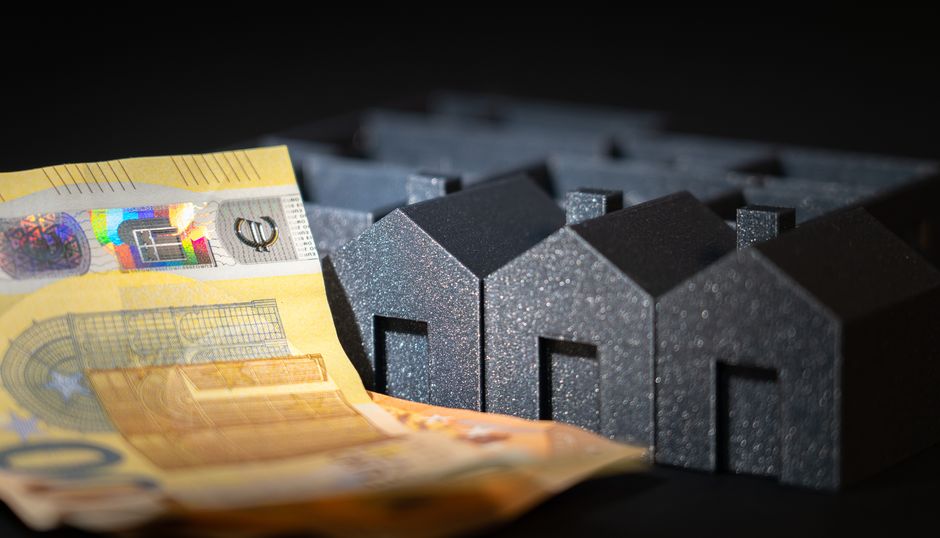
Energy Price Influence on Regional Housing Market Trends
Energy prices play a significant role in shaping regional housing market trends. Fluctuations in energy costs can directly impact the affordability of housing in a particular region. When energy prices rise, homeowners and renters may experience an increase in their overall cost of living, leading to shifts in housing demand and preferences. Additionally, energy-efficient homes become more attractive in high-cost energy environments, as they offer the potential for long-term savings on utility bills.
Exploring the Relationship Between Energy Costs and Housing Market Attractiveness
The relationship between energy costs and housing market attractiveness is multifaceted. Regions with lower energy costs may be more appealing to homebuyers and investors, as they offer the potential for lower ongoing expenses. On the other hand, areas with higher energy costs may see a shift towards sustainable and energy-efficient housing options. Developers and real estate professionals need to consider energy costs as a critical factor in assessing the overall attractiveness of a housing market, as it can impact consumer behavior and market dynamics.
Exploring the Relationship Between Energy Costs and Housing Market Attractiveness
Energy costs play a significant role in shaping the attractiveness of regional housing markets. High energy costs can deter potential homebuyers and renters, impacting the overall demand for properties in a particular region. Conversely, areas with lower energy costs may experience increased interest from individuals looking to save on monthly utility expenses. Understanding this relationship is crucial for real estate professionals, as they need to consider the affordability and sustainability of energy expenses when assessing the overall appeal of a housing market.
Regional Housing Market Competitiveness and Energy Cost Considerations
Energy costs are a key factor that influences the competitiveness of regional housing markets. In highly competitive markets, where multiple buyers are vying for limited properties, the affordability of energy expenses can be a deciding factor for potential homeowners. Additionally, regions that prioritize energy efficiency and sustainability may have a competitive edge over others, attracting environmentally-conscious buyers. Real estate developers and agents should take into account energy cost considerations to effectively position properties in the market and appeal to a broader range of buyers.
6. Regional Housing Market Competitiveness and Energy Cost Considerations
Regional Housing Market Competitiveness: In today’s real estate landscape, the competitiveness of a regional housing market is influenced by a multitude of factors, with energy costs playing a significant role. High energy costs can impact the overall affordability of homeownership, affecting both buyers and sellers. Regions with lower energy costs may attract more potential buyers due to the lower cost of living associated with lower utility bills.
Energy Cost Considerations: When analyzing the regional housing market, it is crucial to take into account the energy costs associated with homeownership. Buyers are increasingly factoring in energy efficiency features when making purchasing decisions, as energy-efficient homes can result in long-term cost savings. Real estate professionals and policymakers need to consider energy cost implications when evaluating the competitiveness of a housing market and implementing strategies to enhance energy efficiency in properties.
6. Regional Housing Market Competitiveness and Energy Cost Considerations
Regional Housing Market Competitiveness is greatly influenced by energy cost considerations. As the cost of energy continues to fluctuate, potential homebuyers are increasingly factoring in energy expenses when evaluating properties. Homes with energy-efficient features such as solar panels, energy-efficient appliances, and proper insulation are becoming more attractive in the market due to their long-term cost savings appeal.
Real estate developers and agents are recognizing the importance of highlighting energy-efficient aspects of properties to enhance their competitiveness. Additionally, regions with affordable energy costs are experiencing a surge in housing market competitiveness, attracting more buyers seeking lower overall expenses. Understanding the interplay between energy costs and housing market competitiveness is crucial for stakeholders to make informed decisions and capitalize on emerging market trends.
7. The Interplay of Energy Costs and Regional Housing Market Appeal
Energy costs play a pivotal role in shaping the appeal of regional housing markets. High energy costs can significantly impact the overall affordability of homeownership, deterring potential buyers from investing in properties in certain regions. Conversely, areas with lower energy costs may experience increased demand and higher property values, as buyers are drawn to the cost-saving benefits associated with lower energy expenses.
Moreover, government policies and initiatives aimed at promoting energy efficiency can further influence the appeal of regional housing markets. Communities that prioritize sustainable and energy-efficient practices are likely to attract environmentally conscious buyers who value properties with lower carbon footprints. Understanding how energy costs influence regional housing market appeal is essential for both buyers and sellers to make informed decisions that align with their financial and environmental goals.