
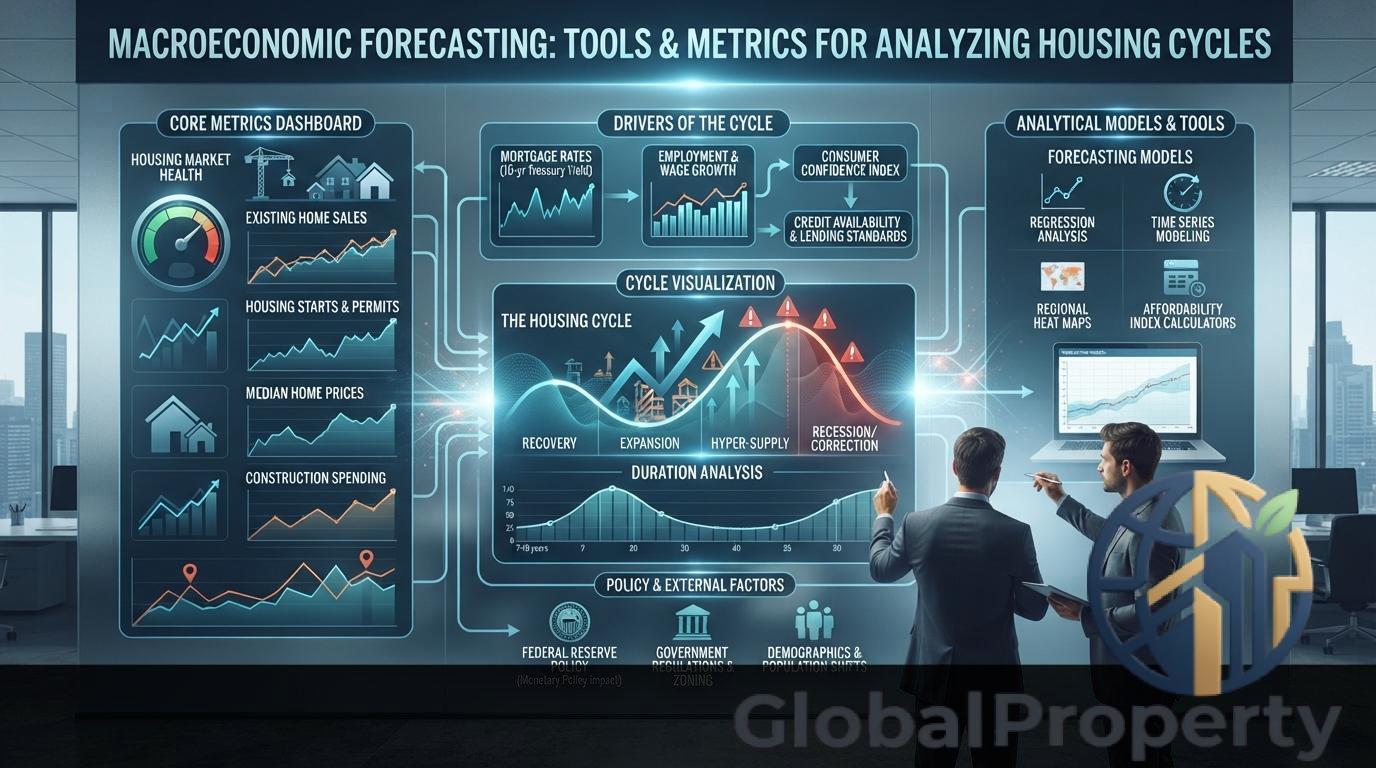
Are you looking to navigate the intricate world of macroeconomic forecasting, specifically when it comes to analyzing housing cycles? Understanding the tools and metrics involved in this process can be a daunting task for many. From economists to real estate professionals, the challenge lies in deciphering the complex interplay of factors that influence housing markets. Without the right insights and strategies, making accurate predictions and informed decisions can seem like trying to solve a puzzle with missing pieces.
Imagine the frustration of being unable to anticipate shifts in the housing market, leading to missed opportunities or unexpected losses. The consequences of not having a solid grasp on macroeconomic forecasting in relation to housing cycles can be significant. From investors who rely on accurate predictions to individuals looking to buy or sell property at the right time, the stakes are high. In a fast-paced and ever-changing market, being ill-prepared can leave you trailing behind, struggling to keep up with those who have a better understanding of the tools and metrics at play.
But fear not, as there is a solution to demystify the complexities of macroeconomic forecasting and empower you to analyze housing cycles with confidence. By delving into the essential tools and metrics used by experts in the field, you can gain a deeper understanding of how economic factors impact the housing market. From GDP trends to interest rates, employment data to housing supply, each piece of the puzzle contributes to a comprehensive picture of the macroeconomic landscape. Get ready to unlock the secrets of forecasting housing cycles and make informed decisions that will set you apart in the market.
Overview of Housing Cycles
Housing cycles are a crucial aspect of the economy, impacting various sectors and influencing macroeconomic forecasting. These cycles are characterized by fluctuations in housing prices, construction activity, and mortgage rates over time. Understanding the patterns and drivers of housing cycles is essential for policymakers, investors, and analysts to make informed decisions.
Historically, housing cycles have been influenced by factors such as interest rates, demographic trends, economic conditions, and government policies. By analyzing past housing cycles, researchers can identify key indicators and metrics that signal the beginning, peak, and end of these cycles. This knowledge can help stakeholders anticipate market trends, mitigate risks, and capitalize on opportunities within the housing sector.
Challenges in Macroeconomic Forecasting
Macroeconomic forecasting faces numerous challenges, especially when predicting housing cycles. The interconnected nature of global economies, the complexity of financial markets, and the unpredictability of external shocks make accurate forecasting a daunting task. Moreover, data limitations, model uncertainties, and behavioral factors further complicate the forecasting process.
To overcome these challenges, economists and analysts employ a combination of statistical models, economic indicators, and qualitative assessments. By continuously refining forecasting techniques and incorporating new data sources, forecasters can enhance the accuracy and reliability of their predictions. Despite the challenges, the ability to anticipate housing cycles and economic trends remains a critical tool for policymakers and businesses seeking to navigate the dynamic landscape of the housing market.
Key Metrics for Analyzing Housing Cycles
Housing cycles are influenced by a variety of key metrics that provide valuable insights into the health of the real estate market. One essential metric is the housing affordability index, which measures the ability of potential buyers to purchase a home based on their income levels and prevailing mortgage rates. Additionally, home price indices play a crucial role in analyzing housing cycles, as they track the changes in home prices over time. Another important metric is the inventory levels of homes on the market, which can indicate supply and demand dynamics in the housing sector. By closely monitoring these key metrics, analysts and policymakers can better understand the trends and fluctuations in housing cycles, enabling them to make informed decisions.
Future Trends in Housing Cycle Analysis
Looking ahead, the field of housing cycle analysis is poised for significant advancements as technology and data analytics continue to evolve. One emerging trend is the use of big data and machine learning algorithms to predict housing market trends with greater accuracy. These tools can process vast amounts of data from various sources, such as social media, economic indicators, and property listings, to provide more nuanced insights into housing cycles. Additionally, the integration of geospatial analysis can offer a spatial perspective on housing market dynamics, helping to identify regional trends and patterns. As the industry embraces these innovative approaches, the future of housing cycle analysis holds promise for more sophisticated forecasting and decision-making capabilities.
Key Metrics for Analyzing Housing Cycles
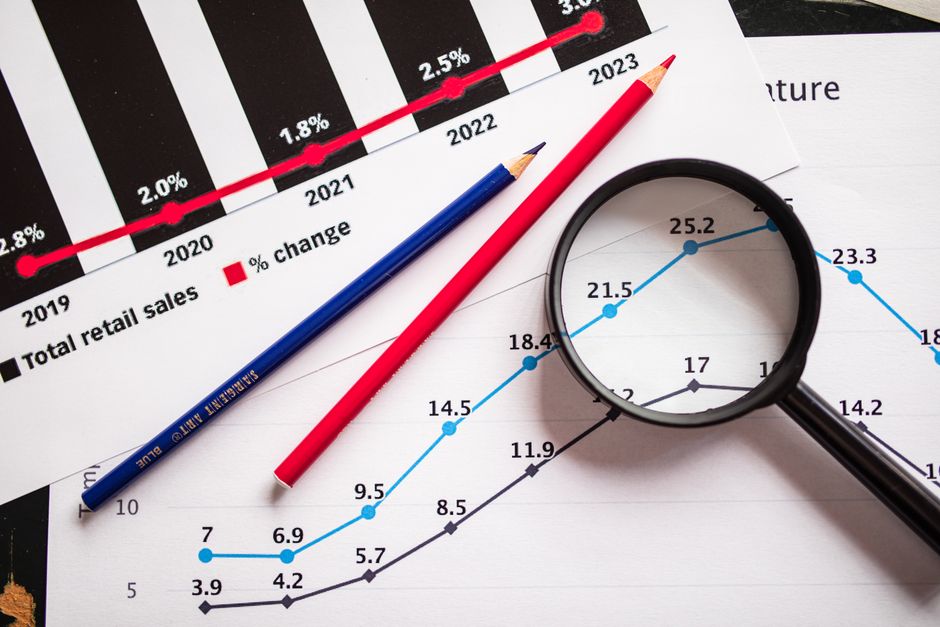
Housing cycles are influenced by a variety of key metrics that provide insights into the health and trends of the real estate market. One crucial metric is the Home Price Index (HPI), which tracks changes in residential property prices over time. Understanding the HPI allows analysts to identify trends, predict future price movements, and assess the overall stability of the housing market. Another important metric is the Home Sales Volume, which measures the number of homes sold within a specific period. This metric helps in gauging the level of demand in the housing market and can indicate shifts in buyer behavior and market sentiment.
Economic Indicators in Macroeconomic Forecasting
Macroeconomic forecasting relies on a range of economic indicators to predict future trends and make informed decisions. One key indicator is the Gross Domestic Product (GDP), which measures the total value of goods and services produced within a country’s borders. Changes in GDP growth rates can signal economic expansions or contractions, impacting housing market dynamics. Additionally, the Unemployment Rate serves as a critical indicator, reflecting the health of the labor market and influencing consumer confidence and spending patterns. By analyzing these and other economic indicators, forecasters can gain valuable insights into the broader economic landscape and make more accurate predictions about housing cycles.
Statistical Models for Housing Cycle Analysis
Statistical models play a crucial role in analyzing housing cycles. These models utilize historical data and various variables to predict future trends in the housing market. One common statistical model used is the time series analysis, which examines patterns over time to forecast changes in housing prices and demand. Another widely used model is regression analysis, which helps identify relationships between different economic indicators and housing market performance. These statistical models provide valuable insights for policymakers, investors, and analysts to make informed decisions related to housing market trends.
Challenges in Macroeconomic Forecasting
Despite the advancements in data analytics and technology, macroeconomic forecasting still faces several challenges. One major challenge is the complexity of global economic interdependencies, making it difficult to accurately predict macroeconomic trends. Additionally, unexpected events such as natural disasters or geopolitical tensions can disrupt forecasting models. Data accuracy and timeliness also pose challenges, as outdated or incomplete data can lead to inaccurate forecasts. Overcoming these challenges requires continuous refinement of forecasting models, incorporation of new data sources, and a deep understanding of the interconnected factors influencing macroeconomic trends.
Challenges in Macroeconomic Forecasting
Macroeconomic forecasting poses several challenges due to the complex nature of global economies. One major challenge is the unpredictability of external factors, such as geopolitical events, natural disasters, and global pandemics, which can significantly impact economic trends. Additionally, the interconnectedness of economies around the world makes it difficult to accurately predict how a change in one country’s economy will affect others. Another challenge is the availability and accuracy of data, as economic indicators and statistical models rely on historical data that may not always be comprehensive or up-to-date.
Future Trends in Housing Cycle Analysis
As technology continues to advance, the future of housing cycle analysis is likely to see a shift towards more sophisticated data analytics and predictive modeling techniques. Machine learning algorithms and artificial intelligence can help analysts identify patterns and trends in housing cycles with greater accuracy and efficiency. Additionally, the integration of big data sources, such as social media and satellite imagery, can provide real-time insights into housing market dynamics. Embracing these technological advancements will be crucial for staying ahead in the field of housing cycle analysis.
Future Trends in Housing Cycle Analysis
The future of housing cycle analysis is increasingly being shaped by advancements in technology and data analytics. With the rise of big data and machine learning algorithms, analysts can now process vast amounts of information to uncover patterns and trends in housing markets. This allows for more accurate predictions and better-informed decision-making.
Additionally, the integration of artificial intelligence into forecasting models is revolutionizing how housing cycles are analyzed. AI can quickly analyze complex data sets, identify correlations, and even predict future trends with a high degree of accuracy. As technology continues to evolve, we can expect housing cycle analysis to become more sophisticated and precise, providing valuable insights for policymakers, investors, and stakeholders in the real estate industry.