
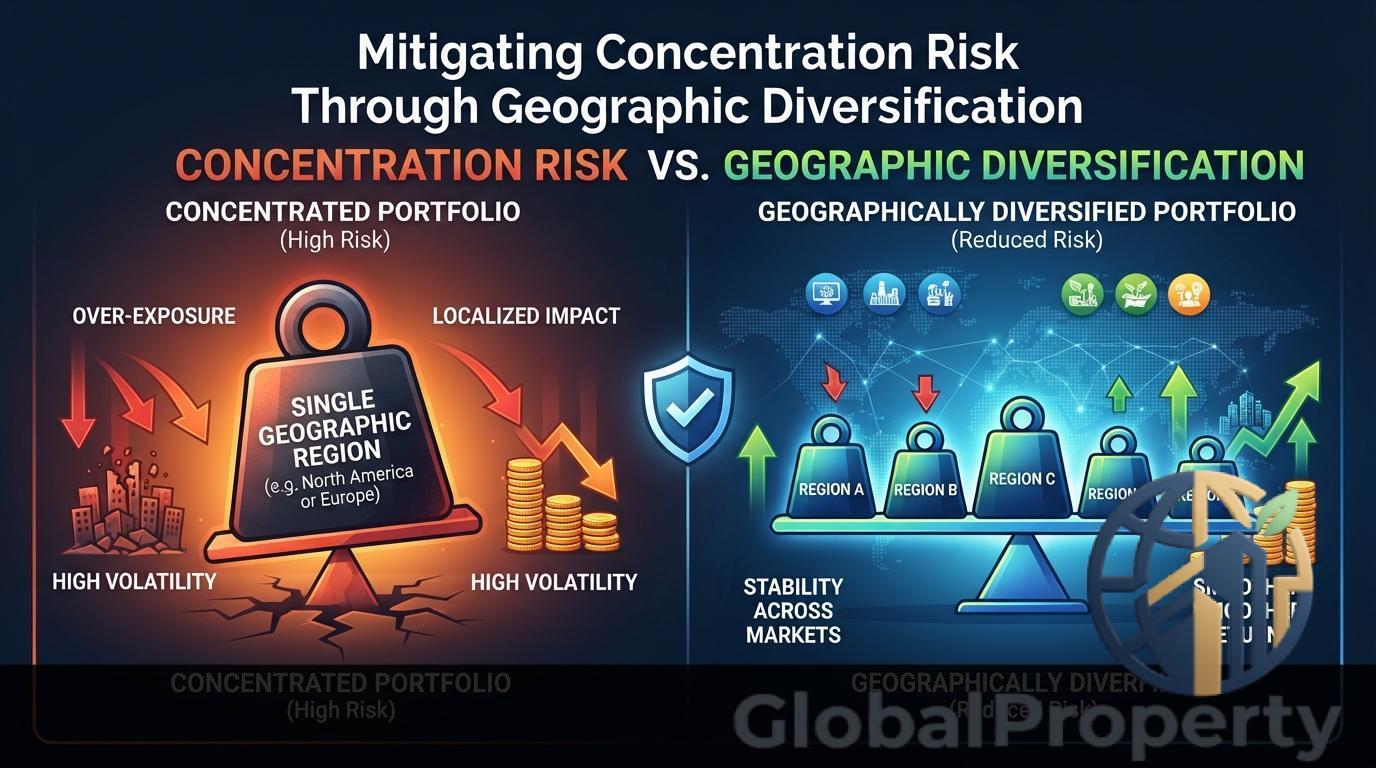
Are you familiar with the old adage “Don’t put all your eggs in one basket”? Well, when it comes to investing, this wisdom rings truer than ever. The core problem many investors face is concentration risk, a scenario where a significant portion of your investment portfolio is tied to a single asset, sector, or market. This lack of diversification leaves you vulnerable to sudden market shifts, geopolitical events, or economic downturns that could potentially wipe out a substantial portion of your wealth in a blink of an eye.
Now, imagine the frustration of seeing your hard-earned savings plummet in value because you didn’t take steps to mitigate concentration risk. The consequences of not diversifying geographically can be dire. A sudden political upheaval, a natural disaster, or a sector-specific crisis in one region could spell disaster for your entire investment portfolio. The sleepless nights, the anxiety, and the feeling of helplessness as you watch your financial security teeter on the edge – it’s a scenario no investor wants to face.
But fear not, there is a solution to this dilemma. By embracing geographic diversification, you can spread your investment across different regions, countries, and markets, reducing the impact of localized risks on your overall portfolio. This strategy not only helps protect your wealth from unforeseen events but also opens up opportunities for growth in diverse economies. So, are you ready to take control of your financial future, safeguard your investments, and set yourself up for long-term success? Let’s dive into the world of mitigating concentration risk through geographic diversification and unlock the keys to a more resilient and prosperous investment journey.
Concentration Risk in Investment Portfolios
Concentration risk in investment portfolios refers to the potential threat posed by having a high exposure to a single asset, sector, or market. When a portfolio is heavily concentrated in a particular investment, it becomes vulnerable to significant losses if that specific asset underperforms or faces unexpected challenges. This risk can arise from various factors such as overexposure to a single stock, industry sector, or geographic region.
Case Studies on Mitigating Concentration Risk
Several case studies highlight effective strategies for mitigating concentration risk in investment portfolios. Diversification is a key approach, spreading investments across different asset classes, industries, and geographies to reduce reliance on any single source of risk. Implementing stop-loss orders, setting strict asset allocation limits, and regularly rebalancing the portfolio are other methods used to manage concentration risk effectively. By learning from these case studies, investors can better protect their portfolios against potential losses resulting from excessive concentration.
Geographic Diversification Strategies
Geographic diversification is a key strategy used by investors to mitigate concentration risk in their portfolios. By spreading investments across different regions and countries, investors can reduce their exposure to the risks associated with a single market or economy. This strategy aims to capture opportunities in various regions while minimizing the impact of negative events that may affect a specific geographic area. Geographic diversification can provide a level of stability and resilience to a portfolio, especially during times of economic uncertainty or geopolitical instability.
Benefits of Geographic Diversification
One of the main benefits of geographic diversification is the potential to enhance risk-adjusted returns. By investing in different regions, investors can access a broader range of investment opportunities, which may lead to improved portfolio performance. Geographic diversification also helps in reducing the correlation between assets, which can further lower overall portfolio risk. Additionally, this strategy can provide a hedge against currency fluctuations and geopolitical events that may impact a single market. However, it is important to note that geographic diversification does not guarantee protection against all risks and may not always lead to positive outcomes in every market condition.

Case Studies on Mitigating Concentration Risk
Case studies provide valuable insights into how different investment portfolios have successfully mitigated concentration risk. By examining real-life examples, investors can learn about effective strategies, tactics, and best practices to diversify their portfolios and reduce the impact of concentration risk. These case studies often highlight specific industries, asset classes, or geographic regions that pose a high level of concentration risk, as well as the actions taken to address these challenges successfully.
Benefits and Challenges of Geographic Diversification
Geographic diversification offers several benefits to investors, including reduced exposure to country-specific risks, enhanced portfolio stability, and access to a broader range of investment opportunities. By spreading investments across different regions, investors can potentially lower overall portfolio risk and improve long-term returns. However, geographic diversification also presents challenges such as currency fluctuations, political instability, and varying levels of market efficiency. It is essential for investors to carefully weigh these benefits and challenges when implementing a geographic diversification strategy.
Benefits and Challenges of Geographic Diversification
Benefits: Geographic diversification in investment portfolios can provide numerous benefits, such as reducing overall risk exposure by spreading investments across different regions. This strategy can help mitigate the impact of economic downturns or geopolitical events that may affect specific countries or regions. Additionally, it can offer opportunities for higher returns by tapping into the growth potential of emerging markets.
Challenges: Despite its advantages, geographic diversification also comes with challenges. One of the main challenges is the complexity of managing investments across multiple regions, each with its own unique market dynamics and regulatory environment. Currency fluctuations can also pose a challenge, as exchange rate movements can impact the value of investments in foreign markets. Furthermore, investors may face higher transaction costs and limited access to certain markets, depending on their investment strategy.
Implementing a Geographic Diversification Strategy
Implementing a geographic diversification strategy involves a careful assessment of various factors to ensure a well-rounded and resilient investment portfolio. One key step is to identify regions with low correlation to each other to minimize risk exposure. This can help in spreading risk across different economies and industries, reducing the impact of regional economic downturns on the overall portfolio. Additionally, investors need to consider factors such as political stability, regulatory environment, currency fluctuations, and market liquidity when diversifying geographically.
Furthermore, implementing a geographic diversification strategy requires selecting appropriate investment vehicles such as international funds, exchange-traded funds (ETFs), or individual stocks from different regions. Regular monitoring and rebalancing of the portfolio are essential to maintain the desired level of diversification. By strategically allocating investments across various geographies, investors can potentially enhance returns while mitigating concentration risk.
Conclusion and Recommendations
Conclusion: Geographic diversification is a crucial strategy for mitigating concentration risk in investment portfolios. By spreading investments across different regions, investors can reduce their exposure to specific economic, political, or market risks that may impact a single geographic area. This helps to enhance portfolio stability and potentially improve overall returns over the long term.
Recommendations: When implementing a geographic diversification strategy, it is important for investors to conduct thorough research on various markets, economies, and industries. They should consider factors such as currency fluctuations, regulatory environments, and geopolitical stability. Additionally, regular monitoring and rebalancing of the portfolio are essential to ensure that the desired level of diversification is maintained. Seeking guidance from financial advisors or consultants with expertise in global markets can also be beneficial in making informed investment decisions.