
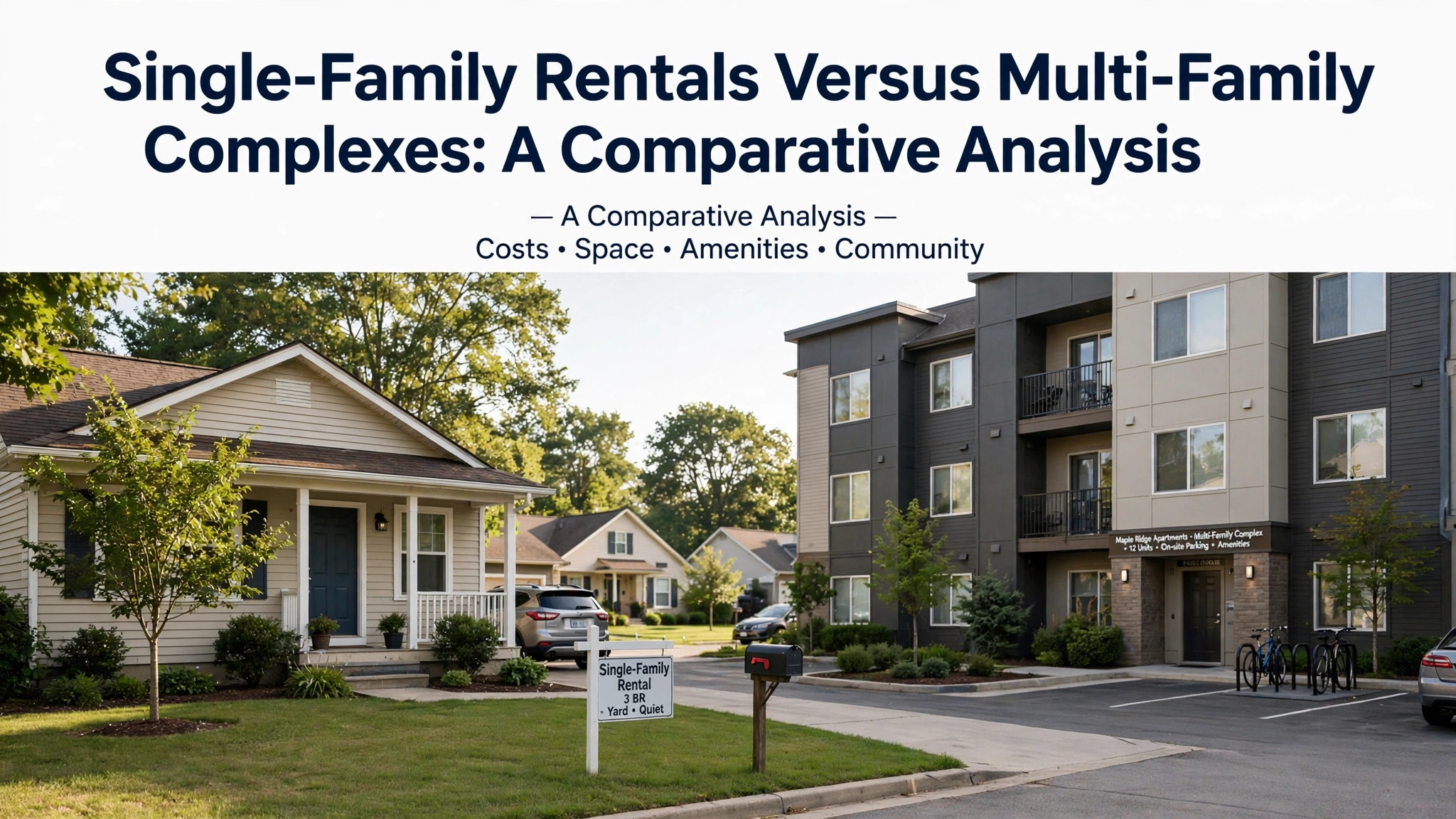
Are you torn between investing in single-family rentals or multi-family complexes? The real estate market presents investors with a crucial decision-making dilemma: which type of property offers the best returns and long-term benefits? This quandary is a common struggle for many individuals looking to enter the real estate investment arena.
Imagine the frustration of pouring your hard-earned money into a single-family rental property, only to face the challenges of high vacancy rates, maintenance costs, and potential cash flow issues. On the other hand, diving into the world of multi-family complexes can be overwhelming with the complexities of managing multiple units, dealing with various tenants, and navigating the intricacies of property management. The consequences of making the wrong choice can be financially draining and emotionally taxing.
Fear not, for in this blog post, we will delve deep into the comparative analysis of single-family rentals versus multi-family complexes. By understanding the unique advantages and disadvantages of each property type, you will be equipped with the knowledge and insights to make an informed decision that aligns with your investment goals. Get ready to unlock the secrets to successful real estate investing and pave your way to financial freedom!
Single-Family Rentals Overview
Single-family rentals have been a popular choice for real estate investors seeking steady income and long-term appreciation. These properties consist of standalone houses that are rented out to individuals or families. One of the main advantages of single-family rentals is the lower turnover rate compared to multi-family complexes, as tenants tend to stay longer in a house they consider their home. Additionally, single-family rentals offer more privacy and space for tenants, which can be attractive for families or individuals looking for a sense of independence.
Multi-Family Complexes Overview
Multi-family complexes are properties that contain multiple units within the same building or complex. These complexes can range from duplexes and triplexes to larger apartment buildings. One of the key benefits of investing in multi-family complexes is the potential for higher rental income from multiple units, providing diversification and reducing the risk of vacancy. Moreover, economies of scale can be achieved in terms of maintenance and property management, as the costs are spread across multiple units. Multi-family complexes can offer investors a more passive investment approach, as professional property management can handle day-to-day operations and tenant relations.
Multi-Family Complexes Overview
Multi-family complexes offer a unique investment opportunity in the real estate market. These properties consist of multiple units within a single building or complex, providing investors with the potential for higher rental income compared to single-family rentals. One of the key advantages of multi-family complexes is the ability to spread risk across multiple units, reducing the impact of vacancies on overall cash flow. Additionally, economies of scale can be achieved in maintenance and property management, making it a more efficient investment option.
Factors to Consider in Choosing Between Single-Family Rentals and Multi-Family Complexes
Rental Income Potential
Single-family rentals typically offer more stability in rental income, as tenants tend to stay longer. On the other hand, multi-family complexes can generate higher total rental income due to multiple units. Consider your financial goals and risk tolerance when deciding between the two.
Diversification and Risk Management
Multi-family complexes provide diversification by spreading risk across multiple units. However, single-family rentals may offer more flexibility in terms of selling individual properties. Evaluate your investment strategy and long-term goals to determine which option aligns best with your objectives.

Factors to Consider in Choosing Between Single-Family Rentals and Multi-Family Complexes
When deciding between single-family rentals and multi-family complexes as investment properties, several factors come into play. Single-family rentals offer more privacy and independence for tenants, making them appealing to families or individuals who value their own space. On the other hand, multi-family complexes can provide economies of scale and potentially higher rental income due to multiple units within the same property. Investors must consider their target market, preferred level of involvement in property management, and long-term investment goals when choosing between the two options.
Additionally, factors such as location, market demand, maintenance costs, and financing options should be carefully evaluated. Single-family rentals may require more individual attention and maintenance, while multi-family complexes may benefit from shared amenities and centralized management. Analyzing the local real estate market trends and understanding the rental demand in the area can help investors make an informed decision that aligns with their investment strategy and financial objectives.
Financial Considerations
Financial considerations play a crucial role in determining whether to invest in single-family rentals or multi-family complexes. When looking at single-family rentals, investors must factor in the initial purchase price, ongoing maintenance costs, property taxes, insurance, and potential vacancy rates. On the other hand, multi-family complexes offer the advantage of economies of scale, spreading costs over multiple units, potentially resulting in higher overall profitability.
Investors should also consider financing options, such as mortgages, interest rates, and loan terms, to determine the most cost-effective approach. Additionally, analyzing the potential rental income, market trends, and long-term appreciation can help investors make informed decisions about which type of property aligns best with their financial goals and risk tolerance.
Property Management and Maintenance
Property management and maintenance are crucial aspects of owning and operating rental properties effectively. Ensuring that your properties are well-managed and properly maintained can lead to increased tenant satisfaction, lower turnover rates, and ultimately higher returns on your investment. Effective property management involves tasks such as tenant screening, lease enforcement, rent collection, and timely maintenance and repairs. Good communication with tenants and prompt resolution of issues are key to successful property management.
Maintaining the physical condition of your properties is equally important. Regular inspections, preventative maintenance, and timely repairs can help prevent costly damages and prolong the life of your property. Establishing relationships with reliable contractors and service providers can streamline the maintenance process and ensure that issues are addressed promptly. By investing in property management and maintenance, you can create a positive rental experience for your tenants and protect the long-term value of your real estate assets.
Conclusion
Single-family rentals and multi-family complexes each have their own advantages and considerations, depending on various factors such as investment goals, management capacity, and financial resources. It is crucial for investors to carefully evaluate these factors before making a decision. Ultimately, the choice between single-family rentals and multi-family complexes should align with the investor’s long-term objectives and risk tolerance. By weighing the factors discussed in this guide, investors can make informed decisions that will lead to successful real estate investments.