
Are you tired of the traditional office setup that stifles creativity and collaboration? Do you find yourself craving a dynamic work environment that fosters innovation and community? If so, you’re not alone. The modern workforce is undergoing a significant shift, with more professionals opting for co-working spaces as a solution to the limitations of conventional offices.
Imagine the frustration of being confined to a cubicle, isolated from your peers, and lacking the flexibility to choose where and how you work. The consequences of this rigid setup are profound – decreased productivity, disengagement, and a lack of inspiration. The commercial real estate landscape is also feeling the impact, as businesses struggle to attract and retain top talent in an environment that no longer aligns with the needs and preferences of today’s workforce.
Enter the evolution of co-working spaces – a revolutionary solution that is reshaping commercial trends and redefining the way we work. These vibrant and flexible spaces offer a blend of community, collaboration, and convenience, providing professionals with the freedom to work how they want, when they want. Join me as we explore the transformative power of co-working spaces and their profound effect on the future of work. Let’s dive into how this trend is not just a passing fad, but a fundamental shift in how we approach workspaces and business culture.
History of Co-Working Spaces
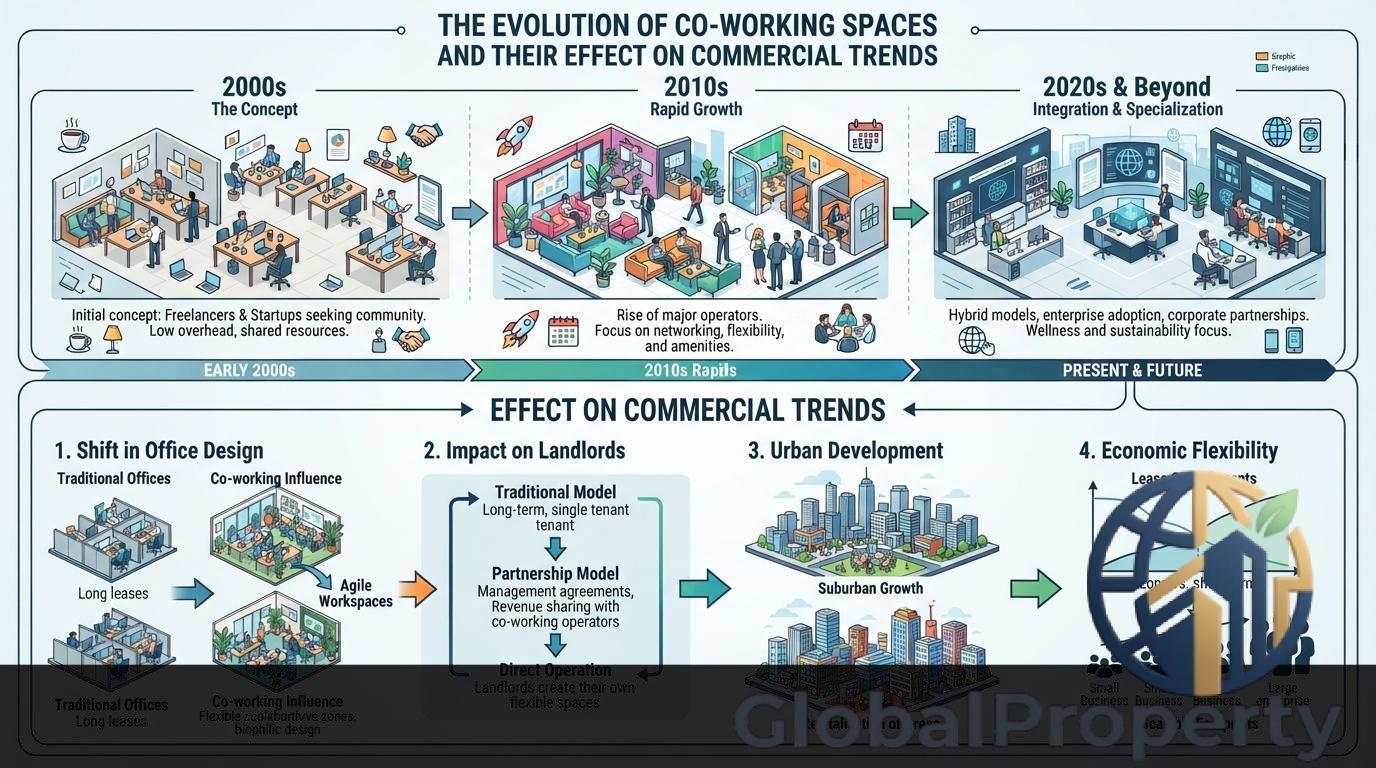
Co-working spaces have a rich history that dates back to the early 2000s when the concept emerged as a solution for freelancers and independent professionals seeking a collaborative work environment. The first official co-working space, Spiral Muse, was established in San Francisco in 2005 by a software engineer and an entrepreneur. This innovative approach to workspaces quickly gained popularity, leading to the founding of other co-working spaces worldwide.
Over the years, the concept of co-working spaces has evolved to accommodate diverse needs and preferences. From shared desks in open-plan layouts to private offices and communal areas, co-working spaces have become synonymous with flexibility, creativity, and community. Today, they cater to a wide range of professionals, including freelancers, startups, remote workers, and established companies looking to foster innovation and collaboration.
Benefits of Co-Working Spaces
Co-working spaces offer a multitude of benefits for individuals and businesses alike. One of the primary advantages is the opportunity to work in a dynamic and inspiring environment that fosters creativity and productivity. By being surrounded by like-minded individuals, co-workers can exchange ideas, collaborate on projects, and network with professionals from various industries.
Additionally, co-working spaces provide cost-effective solutions for individuals and companies looking to access premium amenities, such as high-speed internet, meeting rooms, and communal areas, without the overhead expenses of traditional office leases. This flexibility allows professionals to choose a workspace that aligns with their needs and budget, making co-working spaces a popular choice in today’s ever-changing work landscape.
Benefits of Co-Working Spaces
Co-working spaces offer a wide range of benefits for professionals and businesses alike. One of the key advantages is the flexibility they provide, allowing individuals to work in a collaborative environment while maintaining their independence. These spaces foster creativity, innovation, and networking opportunities, which can lead to new partnerships and business growth. Additionally, co-working spaces often come equipped with modern amenities such as high-speed internet, meeting rooms, and shared resources, creating a productive and professional work environment.
Moreover, co-working spaces promote a sense of community and belonging among members, reducing the isolation that remote workers may experience. By working alongside like-minded individuals from diverse backgrounds, professionals can gain new perspectives, skills, and support. Overall, the benefits of co-working spaces extend beyond just a physical workspace, offering a holistic approach to work-life balance and personal development.
Impact of Co-Working Spaces on Remote Work
Co-working spaces have significantly impacted the landscape of remote work, providing a solution to the challenges of working from home. With the rise of telecommuting and digital nomadism, co-working spaces have emerged as a strategic alternative for remote workers seeking a dedicated workspace outside their homes. These spaces offer a professional setting with essential amenities, fostering productivity and focus.
Furthermore, co-working spaces have facilitated collaboration and knowledge-sharing among remote workers, creating a sense of belonging and community in an otherwise isolated work environment. By bridging the gap between remote work and traditional office settings, co-working spaces have revolutionized how individuals approach work, offering a flexible and dynamic solution to the evolving demands of the modern workforce.

Impact of Co-Working Spaces on Remote Work
Co-working spaces have significantly impacted the landscape of remote work, providing individuals and organizations with flexible and collaborative environments to work in. By offering a physical space that fosters creativity, networking, and productivity, co-working spaces have become instrumental in supporting the remote workforce. These spaces have bridged the gap between traditional office settings and remote work setups, allowing professionals to enjoy the benefits of both worlds.
Moreover, co-working spaces have revolutionized the concept of remote work by creating communities of like-minded individuals who can share knowledge, resources, and experiences. This collaborative environment not only promotes innovation but also helps combat the isolation often associated with remote work. As remote work continues to grow in popularity, the impact of co-working spaces on this trend is expected to become even more pronounced in the coming years.
Future Trends in Co-Working Spaces
The future of co-working spaces is promising as we witness a shift towards more flexible and collaborative work environments. One major trend is the integration of advanced technologies to enhance productivity and streamline operations within these spaces. Virtual reality, AI-powered tools, and smart building solutions are expected to revolutionize the way co-working spaces are managed and utilized.
Another significant trend is the rise of niche co-working spaces catering to specific industries or communities. These specialized spaces provide tailored amenities, networking opportunities, and resources that cater to the unique needs of their target audience. Additionally, sustainability and wellness initiatives are becoming more prevalent, with co-working spaces incorporating eco-friendly designs, green practices, and wellness programs to create healthier work environments for their members.
Case Studies of Successful Co-Working Spaces
WeWork
WeWork is a global leader in the co-working industry, known for its innovative spaces that blend work and lifestyle seamlessly. With a focus on community building, WeWork offers a range of amenities, networking events, and support services to foster collaboration and creativity among its members. The success of WeWork lies in its ability to create vibrant, dynamic environments that inspire productivity and innovation.
Impact Hub
Impact Hub is a network of co-working spaces that prioritize social impact and sustainability. With a strong emphasis on community engagement and social entrepreneurship, Impact Hub provides a platform for changemakers to connect, collaborate, and drive positive change. Through its global network of spaces, Impact Hub has successfully created a supportive ecosystem for social innovators to thrive.
Case Studies of Successful Co-Working Spaces
HubSpot’s Co-Working Space: HubSpot’s co-working space, The Hub, is a prime example of a successful collaborative work environment. Located in the heart of a bustling city, The Hub offers a vibrant and dynamic workspace for freelancers, startups, and established companies alike. With state-of-the-art amenities, flexible workspaces, and a strong sense of community, The Hub has fostered innovation and creativity among its members.
WeWork’s Impactful Spaces: WeWork has revolutionized the concept of co-working spaces with its global network of beautifully designed workspaces. By offering a range of amenities, from coffee bars to networking events, WeWork has created a thriving ecosystem for professionals across industries. The success of WeWork’s co-working spaces lies in their ability to provide not just a place to work, but a community where collaboration and growth are encouraged.
Co-working spaces have revolutionized the way people work, providing a dynamic environment for collaboration, networking, and productivity. As the demand for flexible workspaces continues to rise, co-working spaces are expected to play a significant role in the future of work. By fostering a sense of community and offering diverse amenities, co-working spaces cater to the evolving needs of modern professionals.
As remote work becomes more prevalent, the impact of co-working spaces on the workforce is undeniable. They have reshaped traditional office structures and created new opportunities for individuals and businesses alike. With ongoing innovations and adaptations, the future of co-working spaces looks promising, promising a vibrant ecosystem for innovation and growth.