
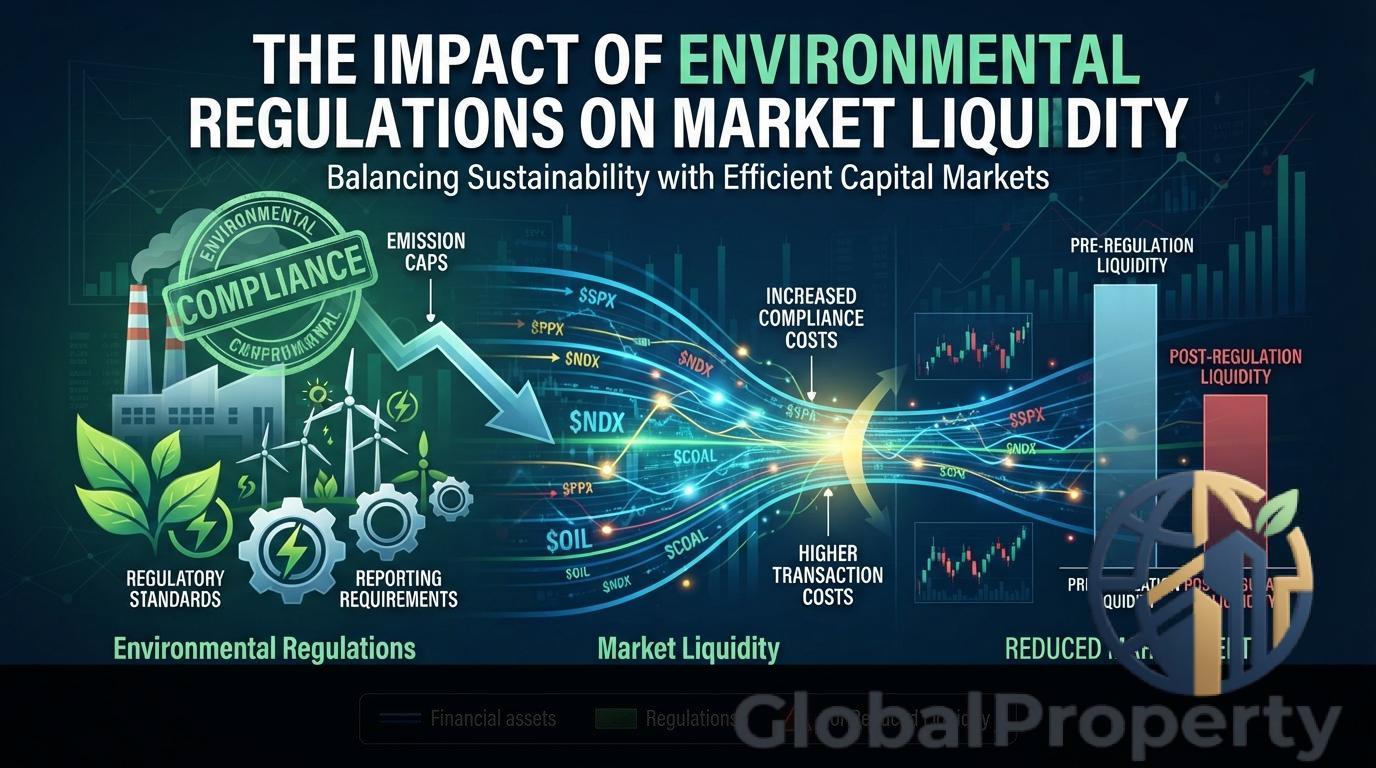
Are you an investor or financial analyst looking to navigate the complex world of market dynamics? One critical aspect often overlooked in the financial realm is the impact of environmental regulations on market liquidity. This seemingly distant issue can have significant implications on your investment strategies and the overall health of the market. Understanding how environmental regulations shape market liquidity is essential for making informed decisions and staying ahead of the curve in today’s ever-changing landscape.
Picture this: you’re diligently analyzing market trends and making strategic investment moves, only to be blindsided by sudden shifts in liquidity due to unforeseen changes in environmental regulations. The frustration of seeing your carefully crafted portfolio affected by external factors beyond your control can be disheartening. Market liquidity is the lifeblood of trading activities, and any disruptions caused by regulatory changes can send ripples of uncertainty throughout the financial markets, affecting prices, trading volumes, and overall market stability.
But fear not, there is a way to proactively address and adapt to the impact of environmental regulations on market liquidity. By gaining a deeper understanding of how regulatory policies interact with market dynamics, you can identify opportunities, mitigate risks, and optimize your investment strategies. Stay tuned as we delve into the intricate relationship between environmental regulations and market liquidity, uncovering insights that will empower you to navigate these complexities with confidence and precision. Get ready to unlock the secrets to mastering market liquidity in the face of regulatory challenges!
Importance of Market Liquidity
Market liquidity refers to the ease with which an asset can be bought or sold in the market without significantly impacting its price. It is a crucial factor in determining the efficiency and stability of financial markets. High market liquidity allows investors to enter and exit positions quickly, reducing the risk of price fluctuations and increasing overall market efficiency. In contrast, low market liquidity can lead to increased volatility, wider bid-ask spreads, and potential market manipulation.
Market liquidity plays a vital role in attracting investors and ensuring a fair and transparent market environment. It provides confidence to market participants, enhances price discovery, and facilitates the smooth functioning of financial markets. Regulators and policymakers closely monitor market liquidity to detect any signs of stress or dysfunction that could pose systemic risks to the broader economy.
Strategies for Compliance with Environmental Regulations
Compliance with environmental regulations is essential for businesses to operate responsibly and sustainably. Companies must adhere to a wide range of laws and regulations governing environmental protection, resource conservation, and emissions control. Implementing effective compliance strategies not only helps businesses avoid legal penalties and reputational damage but also demonstrates a commitment to environmental stewardship.
Businesses can adopt various strategies to ensure compliance with environmental regulations, such as conducting regular environmental audits, implementing pollution control measures, investing in sustainable technologies, and fostering a culture of environmental responsibility among employees. Proactive compliance efforts can not only mitigate regulatory risks but also create opportunities for innovation and competitive advantage in a rapidly evolving marketplace focused on sustainability.
Environmental Regulations and Market Performance
Environmental regulations play a crucial role in shaping market performance by influencing the behavior of businesses and investors. Companies are increasingly under pressure to comply with environmental standards to mitigate risks and maintain a positive reputation. Compliance with regulations can lead to increased operational costs, but it also drives innovation and promotes sustainable practices within industries. Investors are paying closer attention to companies’ environmental performance, as it can impact long-term financial returns and overall market stability.
Regulatory Impact on Market Liquidity
Changes in environmental regulations can have a significant impact on market liquidity by affecting the valuation of assets and influencing investor confidence. Stricter regulations may lead to increased uncertainty in the market, potentially reducing liquidity as investors become more cautious. On the other hand, clear and consistent regulatory frameworks can enhance market liquidity by providing transparency and predictability for market participants. It is essential for businesses and investors to closely monitor regulatory developments and adapt their strategies to maintain liquidity in the face of changing environmental regulations.

Regulatory Impact on Market Liquidity
Market liquidity is significantly affected by regulatory measures put in place to ensure compliance with environmental regulations. These regulations often impose restrictions and requirements on businesses, impacting their operations and financial performance. As a result, market liquidity can be influenced by the level of compliance with these regulations, as non-compliance may lead to penalties and reputational risks.
Regulatory changes can create uncertainties in the market, affecting the ease with which assets can be bought or sold. Investors may become more cautious in trading activities, leading to reduced liquidity in certain markets. Understanding the regulatory impact on market liquidity is crucial for businesses and investors to navigate effectively in a changing regulatory environment.
Strategies for Compliance with Environmental Regulations
Compliance with environmental regulations is essential for businesses to operate sustainably and maintain market credibility. Implementing effective strategies for compliance involves conducting thorough assessments of regulatory requirements, integrating environmental considerations into business processes, and investing in sustainable practices.
Proactive measures such as adopting green technologies, enhancing waste management systems, and engaging in stakeholder consultations can help businesses stay ahead of regulatory changes and demonstrate commitment to environmental sustainability. By prioritizing compliance with environmental regulations, businesses can not only mitigate risks but also seize opportunities for growth and innovation in a rapidly evolving market landscape.
Strategies for Compliance with Environmental Regulations
Compliance with environmental regulations is crucial for businesses looking to operate sustainably in the long term. Implementing effective strategies for compliance involves a proactive approach that goes beyond mere adherence to laws. Companies can start by conducting thorough environmental impact assessments to identify areas that need improvement. Developing internal policies and procedures that align with regulatory requirements can help streamline compliance efforts. Investing in technology and infrastructure upgrades to reduce environmental footprint is another key strategy. Moreover, fostering a culture of environmental responsibility among employees can lead to better compliance outcomes.
Market Liquidity Trends in Response to Regulations
Environmental regulations have a significant impact on market liquidity, influencing investment decisions and market dynamics. As regulations become more stringent, investors are increasingly factoring in environmental risks and opportunities into their decision-making processes. This trend is shaping market liquidity by driving investments towards sustainable and environmentally responsible companies. Market participants are also adapting by incorporating environmental considerations into their trading strategies. Understanding these liquidity trends in response to regulations is essential for businesses to navigate the evolving market landscape successfully.
Market Liquidity Trends in Response to Regulations
Market liquidity trends are significantly influenced by changing regulatory environments. As environmental regulations become more stringent, market liquidity can experience fluctuations due to increased compliance costs and uncertainty. Companies may need to allocate more resources to ensure compliance, impacting their ability to invest in other areas or expand their operations. Additionally, regulatory changes can introduce new complexities and risks, leading to potential disruptions in market liquidity.
Case Studies on Environmental Regulations and Market Liquidity
Case studies provide valuable insights into how environmental regulations impact market liquidity in real-world scenarios. By examining specific examples, stakeholders can better understand the challenges and opportunities that arise when navigating regulatory requirements. Analyzing case studies can help identify successful strategies for managing regulatory impacts on market liquidity, as well as pitfalls to avoid. Furthermore, case studies offer a practical perspective on how companies can adapt and innovate in response to evolving regulatory landscapes to maintain market liquidity.
Case Studies on Environmental Regulations and Market Liquidity
Case Study 1: In a recent study, Company X implemented rigorous environmental regulations to reduce their carbon footprint. Initially, there was concern about the impact on market liquidity due to increased compliance costs. However, over time, investors recognized Company X’s commitment to sustainability, leading to a boost in market liquidity as more socially responsible investors flocked to the company.
Case Study 2: Company Y faced challenges complying with stringent environmental regulations in their industry. As a result, market liquidity took a hit as investors feared the uncertainties surrounding potential fines and penalties. Company Y then adopted a proactive approach by investing in green technologies and transparency initiatives. This move not only improved market liquidity but also enhanced their reputation, attracting a new segment of environmentally conscious investors.