
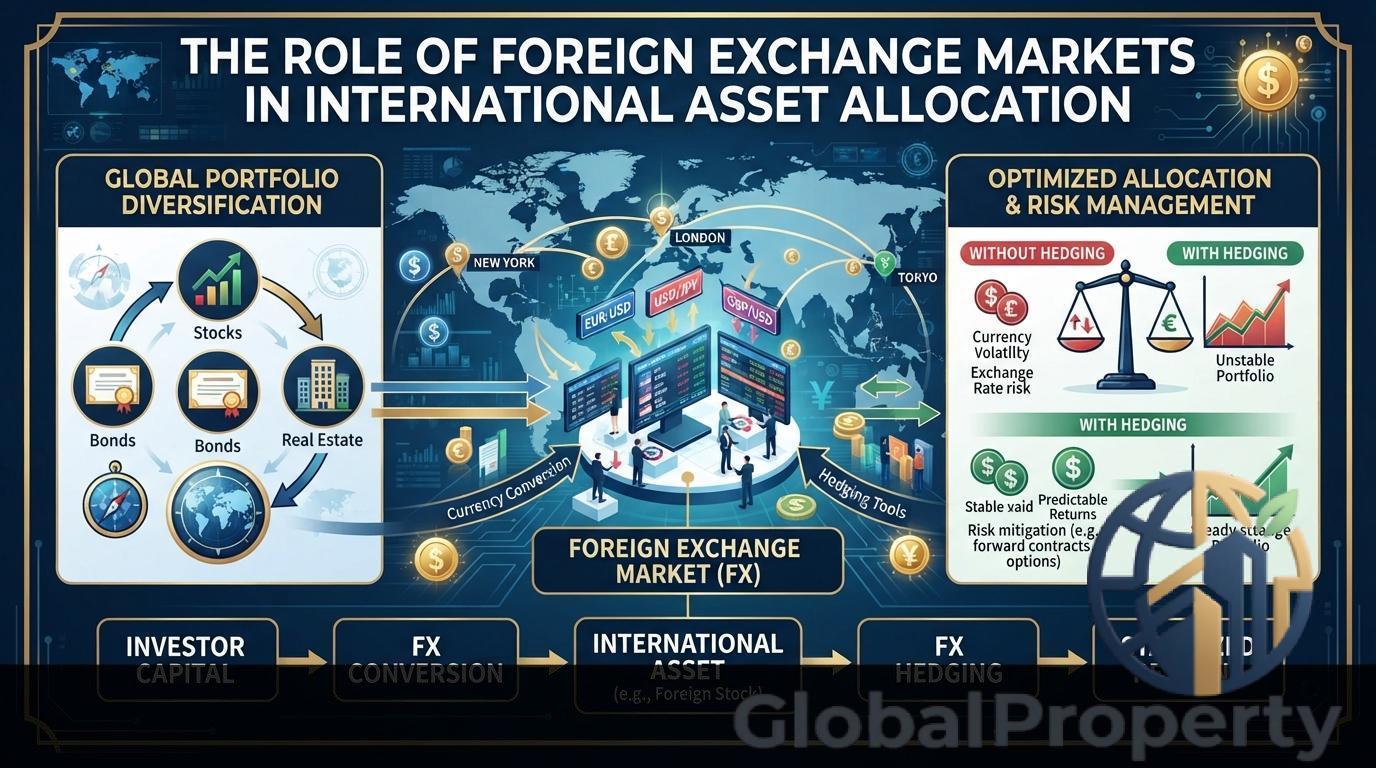
Are you grappling with the complexities of international asset allocation? The intricate dance of foreign exchange markets can often confound even the most seasoned investors, posing a significant challenge when it comes to optimizing portfolio diversification. Understanding the role of foreign exchange markets in this context is crucial for making informed investment decisions that can withstand the volatility of the global economy.
Imagine the frustration of diligently crafting an asset allocation strategy only to see it unravel due to unforeseen currency fluctuations. The impact of these fluctuations on the value of your investments can be substantial, leading to missed opportunities or unexpected losses. Without a solid grasp of how foreign exchange markets operate and influence asset allocation, you may find yourself navigating turbulent financial waters without a compass.
But fear not, for there is a solution to this conundrum. By delving deep into the intricacies of foreign exchange markets and their role in international asset allocation, you can gain the knowledge and insights needed to navigate these challenges effectively. Armed with this understanding, you can not only protect your investments from currency risk but also capitalize on opportunities that arise from international market dynamics. Join us on this enlightening journey as we unravel the mysteries of foreign exchange markets and empower you to optimize your asset allocation strategies with confidence. Get ready to take your investment game to the next level!
Importance of International Asset Allocation
International asset allocation is a critical component of any well-rounded investment strategy. By diversifying investments across different countries and regions, investors can reduce risk and potentially enhance returns. This approach allows investors to tap into a broader range of opportunities and benefit from the growth potential of various markets around the world. Moreover, international asset allocation helps to mitigate the impact of economic downturns or geopolitical events in any single country or region.
Furthermore, international asset allocation provides investors with exposure to different currencies, which can serve as a hedge against currency fluctuations. By spreading investments across multiple currencies, investors can minimize the risk associated with exchange rate movements and preserve the value of their portfolios. Overall, a well-structured international asset allocation strategy can help investors achieve greater diversification, risk management, and potential for long-term growth.
Risk Management in International Asset Allocation
Effective risk management is crucial when it comes to international asset allocation. Investors must carefully assess and mitigate various risks associated with investing in foreign markets, including currency risk, political risk, and market volatility. One common risk management strategy is to diversify across different asset classes, industries, and geographic regions to spread risk and reduce the impact of adverse events.
In addition, employing hedging techniques such as currency forwards or options can help investors protect their portfolios against unfavorable exchange rate movements. It’s also essential for investors to stay informed about global economic trends, geopolitical developments, and market conditions that could impact their international investments. By proactively managing risks and staying diversified, investors can navigate the complexities of international asset allocation more effectively and enhance the resilience of their investment portfolios.
Factors Influencing Foreign Exchange Rates
Foreign exchange rates are influenced by a myriad of factors that are crucial to understand for anyone involved in international business or investment. These include economic indicators such as interest rates, inflation rates, and GDP growth, as well as geopolitical events, government policies, and market speculation. Central bank interventions and market sentiment also play a significant role in determining exchange rates. For example, a country with higher interest rates is likely to attract more foreign investment, increasing demand for its currency and causing its value to appreciate. Understanding these factors and their interplay is essential for predicting and managing foreign exchange rate fluctuations.
Risk Management in International Asset Allocation
Risk management is a critical aspect of international asset allocation to protect investments from potential losses due to currency fluctuations, geopolitical instability, or market volatility. Diversifying investments across different asset classes, regions, and currencies can help mitigate risks and enhance portfolio stability. Hedging strategies, such as using forward contracts or options, can also be employed to minimize exposure to currency risk. Additionally, staying informed about global economic trends, political developments, and market dynamics is essential for effective risk management. By implementing a comprehensive risk management strategy, investors can safeguard their international assets and optimize returns in an ever-changing global market environment.

Strategies for International Asset Diversification
International asset diversification is a crucial component of any well-rounded investment portfolio. By spreading investments across different countries and regions, investors can mitigate risks associated with economic downturns or political instability in any single market. One effective strategy for international asset diversification is to invest in a mix of asset classes such as equities, bonds, real estate, and commodities across various countries. This approach helps balance the overall risk and return profile of the portfolio.
Another key strategy is to consider investing in emerging markets alongside developed markets. Emerging markets often offer higher growth potential, but they also come with higher volatility. By combining investments in both types of markets, investors can benefit from diversification while potentially capturing higher returns. It’s important for investors to regularly review and rebalance their international asset allocation to ensure it aligns with their risk tolerance and investment goals.
Risk Management in International Asset Allocation
Effective risk management is essential when it comes to international asset allocation. Currency risk, geopolitical risk, and economic risk are some of the factors that can impact the performance of international investments. One common risk management technique is to hedge currency exposure using financial instruments such as forward contracts or options.
Diversification across different asset classes and regions also plays a critical role in managing risk in international asset allocation. By spreading investments across a variety of assets and markets, investors can reduce the impact of any single negative event on their overall portfolio. Additionally, staying informed about global economic trends and geopolitical developments can help investors make informed decisions to mitigate risks in their international asset allocation strategy.
Impact of Foreign Exchange Markets on Global Economy
Foreign exchange markets play a crucial role in shaping the global economy. The movement of currencies across borders impacts trade balances, inflation rates, and overall economic stability. Exchange rate fluctuations can influence the competitiveness of countries in international trade, affecting the flow of goods and services between nations. Additionally, foreign exchange markets have a direct impact on investment flows, as investors often consider currency movements when making cross-border investment decisions.
Moreover, changes in exchange rates can affect the purchasing power of consumers and businesses, leading to shifts in consumption patterns and production decisions. Central banks and governments closely monitor foreign exchange markets to manage their currency’s value and ensure economic stability. Understanding the dynamics of foreign exchange markets is essential for policymakers, businesses, and investors to navigate the complexities of the global economy.
6. Risk Management in International Asset Allocation
Risk management is a critical aspect of international asset allocation to safeguard investments against unforeseen market fluctuations. Effective risk management involves identifying and assessing potential risks associated with foreign exchange markets and diversifying assets strategically to mitigate these risks. Techniques such as hedging using derivatives, setting stop-loss orders, and closely monitoring market trends can help investors minimize exposure to currency fluctuations.
Furthermore, having a well-defined risk management strategy in place can provide investors with a sense of security and confidence in their international asset allocation decisions. By understanding and managing risks effectively, investors can protect their investments and optimize returns in the ever-changing global financial landscape.
Future Trends in Foreign Exchange Markets
Artificial Intelligence (AI) Integration: One of the key future trends in foreign exchange markets is the increased integration of artificial intelligence (AI) technologies. AI algorithms are being utilized to analyze vast amounts of data in real-time, providing valuable insights into market trends and helping traders make more informed decisions. This trend is expected to continue evolving, with AI playing a significant role in shaping the future of foreign exchange trading.
Blockchain Technology: Another important future trend in foreign exchange markets is the adoption of blockchain technology. Blockchain offers secure and transparent transactions, reducing the need for intermediaries and potentially lowering transaction costs. As blockchain technology matures, it is likely to revolutionize the way foreign exchange transactions are conducted, bringing greater efficiency and security to the market.