
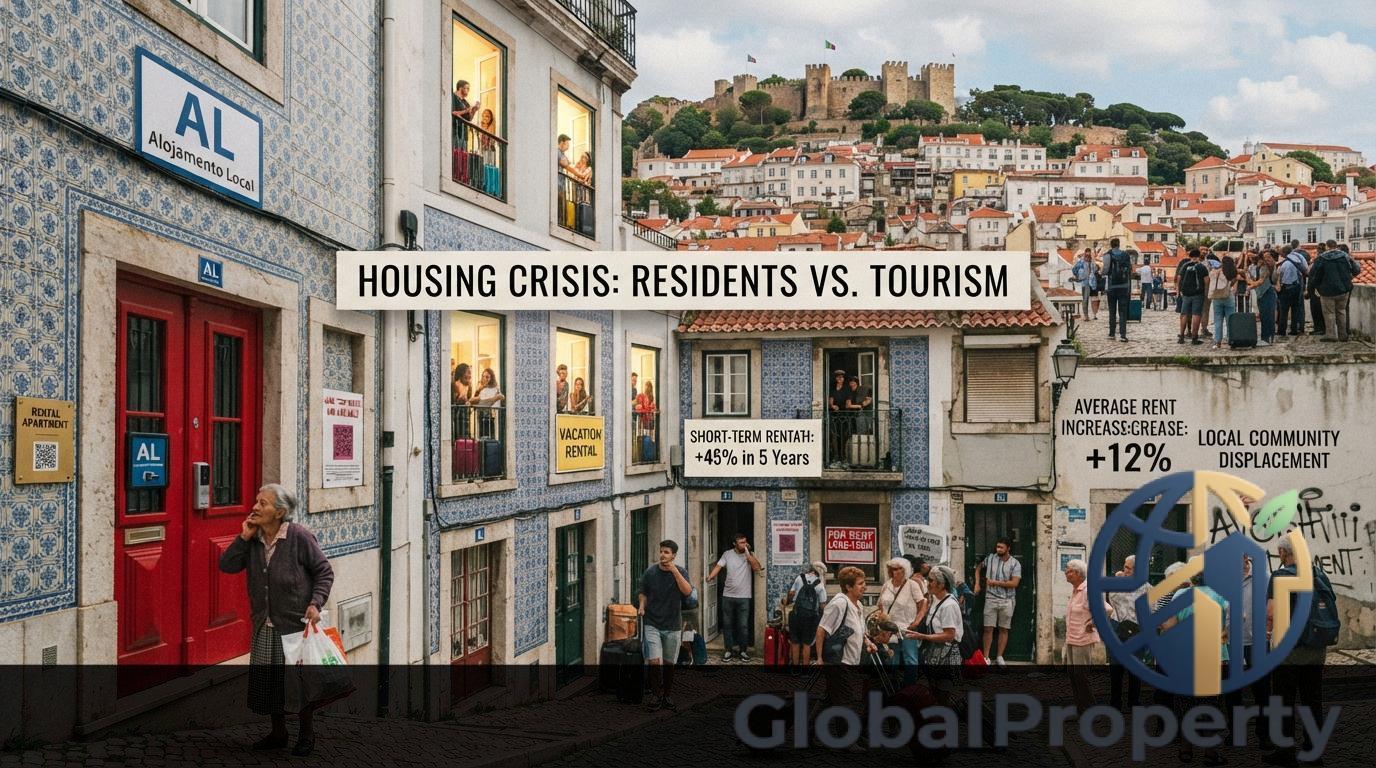
Are you fascinated by the allure of tourism in bustling cities, yet find yourself grappling with the ever-evolving landscape of housing markets? The rise of short-term rentals, fueled by platforms like Airbnb and Vrbo, has sparked a revolution in the way properties are utilized for accommodation. This shift poses a significant challenge for both residents and policymakers, leading to a complex interplay between tourism and housing availability.
Imagine the frustration of trying to secure a long-term rental in a city where short-term rentals dominate the market. The scarcity of affordable housing options, coupled with the rapid proliferation of vacation rentals, has exacerbated the housing crisis in many popular tourist destinations. Residents are being priced out of their own neighborhoods, communities are losing their sense of identity, and local businesses are struggling to survive amidst the transient nature of short-term rentals.
But fear not, for there is a solution on the horizon. In this blog post, we will delve deep into the dynamics of tourism-driven housing markets, analyzing the impact of short-term rentals on local economies and communities. By understanding the nuances of this phenomenon, we can explore innovative strategies to strike a balance between tourism demands and housing needs. Join us on this journey as we unravel the complexities of short-term rentals and pave the way towards sustainable solutions for a harmonious coexistence between tourism and housing markets.
Impact of Tourism on Housing Markets
Tourism can have a significant impact on housing markets in popular destinations. The demand for short-term rentals and accommodation from tourists often drives up property prices, making it challenging for local residents to afford housing. This can lead to a decrease in long-term rental availability and an increase in property speculation, further exacerbating the housing crisis in these areas. Additionally, the conversion of residential properties into short-term rentals can disrupt the social fabric of neighborhoods, as transient tourists replace permanent residents.
Effects on Local Economy
The influx of tourists attracted to a destination can provide a boost to the local economy through increased spending on accommodation, dining, and attractions. However, this economic benefit may not always trickle down to local residents, especially if housing prices skyrocket due to tourism demand. Balancing the economic benefits of tourism with the need for affordable housing for residents is a key challenge that many cities face when managing the impact of tourism on housing markets.
3. Growth of Short-Term Rental Platforms
The growth of short-term rental platforms, such as Airbnb and Vrbo, has significantly impacted the housing market in popular tourist destinations. These platforms have provided homeowners with the opportunity to rent out their properties to travelers for short stays, creating a new source of income. This trend has led to an increase in the number of properties available for short-term rentals, contributing to the overall housing market dynamics.
Impact on Rental Market
Short-term rental platforms have disrupted the traditional rental market by offering alternative accommodation options to tourists. This has resulted in higher demand for short-term rentals, potentially driving up rental prices in certain areas. Additionally, the rise of short-term rental platforms has raised concerns about housing affordability and availability for local residents, as some properties may be converted into short-term rentals instead of being available for long-term leasing.

Regulations and Challenges
As the popularity of short-term rental platforms continues to rise, cities around the world are facing the challenge of regulating and managing this new form of accommodation. One of the main concerns for local governments is the impact of short-term rentals on housing availability and affordability. Many argue that these platforms contribute to rising housing prices and limit the availability of long-term rentals for residents. In response, cities have started implementing regulations to control the growth of short-term rentals and protect their housing markets.
Regulation Strategies
Cities have adopted various approaches to regulate short-term rentals, including setting limits on the number of days a property can be rented out, requiring hosts to obtain permits or licenses, and imposing taxes on short-term rental income. These regulations aim to strike a balance between allowing homeowners to benefit from the sharing economy while preserving the residential character of neighborhoods and ensuring housing affordability for residents. Despite these efforts, challenges remain in enforcing regulations, addressing concerns of noise and disruption, and finding solutions that satisfy both residents and short-term rental hosts.
Case Studies: Cities and Their Approach
Examining various cities around the world can provide valuable insights into the diverse approaches taken to regulate short-term rentals and their impact on housing markets. For instance, cities like Amsterdam and Barcelona have implemented strict regulations limiting the number of days per year that a property can be rented out on platforms like Airbnb. These measures aim to strike a balance between allowing residents to benefit from tourism while preventing housing shortages and rising rents.
In contrast, cities like Tokyo and London have chosen to embrace short-term rentals as a way to boost tourism and the local economy. They have implemented regulations focusing on safety standards and taxation, ensuring that hosts comply with legal requirements. By studying the strategies adopted by different cities, policymakers can learn from both successful and challenging experiences to create effective regulations that promote sustainable growth in the tourism and housing sectors.
Case Studies: Cities and Their Approach
New York City: In response to the rapid growth of short-term rentals impacting the housing market, New York City implemented strict regulations to curb the negative effects. These regulations include limiting the duration of short-term rentals, requiring hosts to register with the city, and imposing fines on illegal operators. The city aims to strike a balance between promoting tourism and preserving affordable housing for residents.
Amsterdam: Amsterdam has taken a unique approach by implementing a one-host, one-listing policy for short-term rentals. This policy aims to prevent commercial operators from dominating the market and driving up housing prices. Additionally, the city requires hosts to obtain a permit before listing their property on short-term rental platforms. Amsterdam’s proactive measures have helped maintain the housing market’s stability while accommodating tourism growth.
Economic Implications and Benefits
Short-term rentals have brought both economic benefits and challenges to cities worldwide. On one hand, they contribute to local economies by attracting tourists, creating job opportunities, and generating additional tax revenue. However, the rapid growth of short-term rentals has also led to concerns about housing affordability, neighborhood disturbances, and the displacement of long-term residents. Balancing these economic implications with the need to protect housing markets is crucial for sustainable urban development.
Conclusion
In conclusion, the impact of tourism on housing markets is undeniable, with short-term rental platforms playing a significant role in shaping the rental landscape of cities worldwide. While these platforms offer economic benefits, they also pose challenges in terms of regulation and housing affordability. Cities are grappling with finding a balance between promoting tourism and protecting the interests of local residents. By examining case studies and understanding the economic implications, it becomes clear that a well-thought-out regulatory framework is essential for sustainable growth in the tourism and housing sectors. Moving forward, collaboration between stakeholders is crucial to address the complex issues arising from the intersection of tourism and housing markets.