
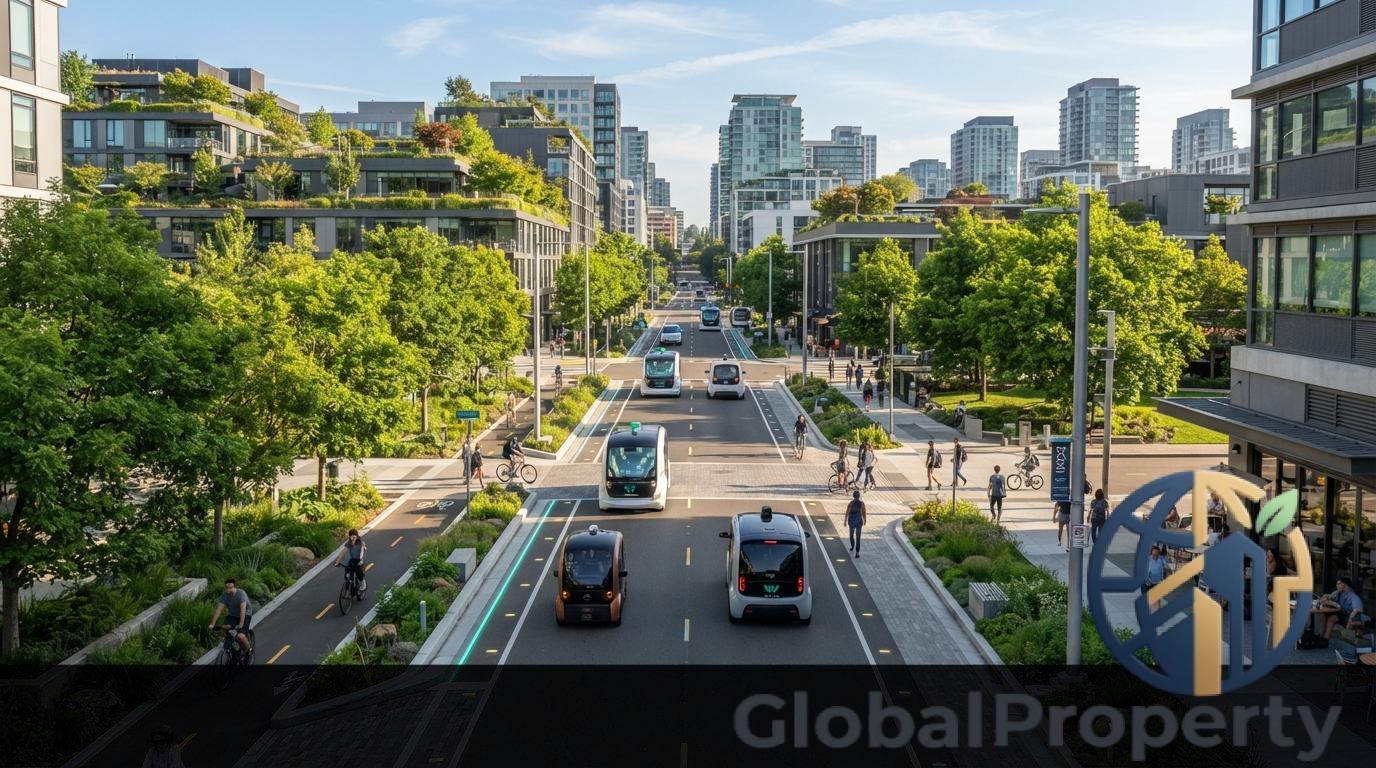
Imagine a future where the streets of our cities are transformed, buzzing with autonomous vehicles seamlessly navigating through once congested roads. The core problem we face today is the outdated urban street design that struggles to accommodate the increasing number of vehicles on the road. As our population grows and urbanization continues, the need for innovative solutions to redesign our streets for the era of autonomous vehicles becomes increasingly urgent. This transformation presents a unique opportunity to reimagine our urban landscapes and create safer, more efficient, and sustainable cities for future generations.
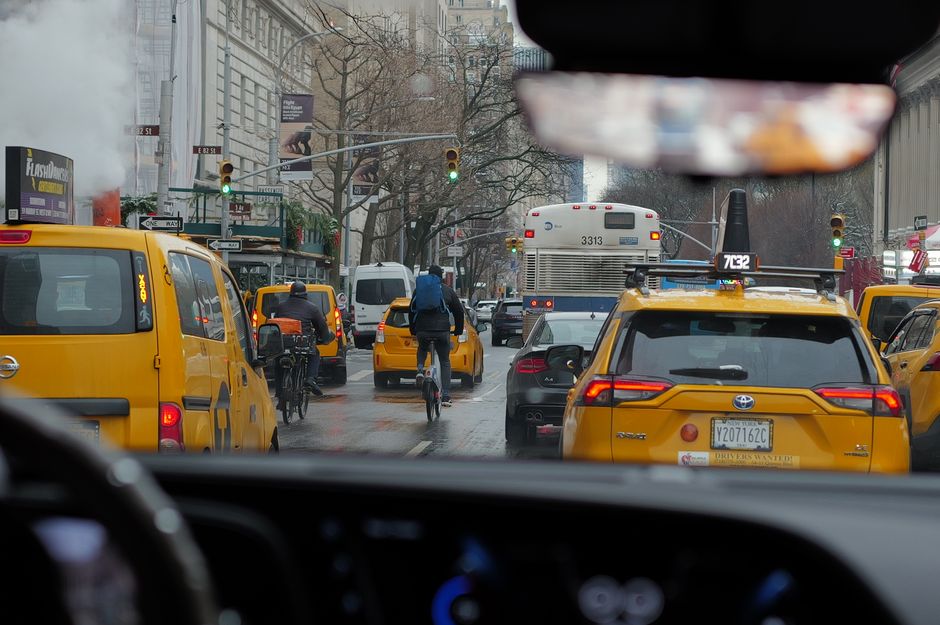
Now, let’s delve deeper into the frustration that arises from not addressing this pressing issue. Picture the chaos of rush hour traffic, the endless search for parking spaces, and the alarming rise in traffic accidents due to human error. Without redesigning our urban street infrastructure to accommodate autonomous vehicles, we risk exacerbating these problems and hindering the potential benefits that this technology can bring. The consequences of inaction are clear – continued congestion, increased pollution, and a lack of safety on our roads.
However, there is a beacon of hope on the horizon. The solution lies in embracing the potential of autonomous vehicles to revolutionize urban street design. By integrating smart technology, implementing dedicated lanes for autonomous vehicles, and redesigning intersections for seamless flow, we can create a future where traffic jams are a thing of the past. Imagine a city where streets are transformed into vibrant, pedestrian-friendly spaces, where transportation is efficient, environmentally friendly, and safe. The future of urban street design with autonomous vehicles is not just a dream – it’s a tangible reality waiting to be embraced. Are you ready to step into this future with us?
Evolution of Autonomous Vehicles
Autonomous vehicles have come a long way since their inception. The concept of self-driving cars dates back to the 1920s, but significant progress has been made in recent years due to advancements in technology such as artificial intelligence, machine learning, and sensors. Companies like Google, Tesla, and Uber have been at the forefront of developing autonomous vehicle technology, conducting extensive testing to improve safety and efficiency.
Benefits of Autonomous Vehicles
The benefits of autonomous vehicles are numerous and far-reaching. They have the potential to significantly reduce traffic accidents and fatalities by eliminating human error, improve traffic flow and reduce congestion, provide greater accessibility to transportation for individuals with disabilities or limited mobility, and enhance the overall efficiency of transportation systems. Autonomous vehicles also have the potential to revolutionize industries such as logistics and delivery services, making operations more cost-effective and environmentally friendly.
Benefits of Autonomous Vehicles
Increased Safety: One of the primary benefits of autonomous vehicles is the potential to significantly reduce traffic accidents. By eliminating human error, such as distracted or impaired driving, AVs have the capability to make roads safer for everyone. This can lead to a decrease in injuries and fatalities, making transportation more secure and reliable.
Enhanced Efficiency: Autonomous vehicles have the ability to optimize traffic flow and reduce congestion on roads. By communicating with each other and the infrastructure, AVs can coordinate movements, leading to smoother traffic patterns and reduced travel times. This increased efficiency not only benefits individual drivers but also has positive impacts on the environment by reducing emissions and fuel consumption.
Challenges and Concerns
Autonomous vehicles have the potential to revolutionize transportation, but they also bring about a unique set of challenges and concerns. One of the primary concerns is the issue of safety. Despite advancements in technology, there are still uncertainties surrounding the ability of autonomous vehicles to navigate complex environments and respond to unexpected situations. Additionally, there are ethical dilemmas to consider, such as how autonomous vehicles should prioritize the safety of occupants versus pedestrians in the event of an unavoidable accident.
Another significant challenge is the regulatory framework surrounding autonomous vehicles. Current laws and regulations may not be equipped to address the unique challenges posed by autonomous vehicles, leading to uncertainty and potential legal disputes. Privacy and cybersecurity are also major concerns, as the collection of vast amounts of data by autonomous vehicles raises questions about data security and potential misuse.
Urban Street Design Considerations for Autonomous Vehicles
Urban Street Design for Autonomous Vehicles requires careful planning to ensure safe and efficient integration of these vehicles into city environments. Key considerations include dedicated lanes for autonomous vehicles, intelligent traffic signals that can communicate with AVs, and infrastructure for electric charging stations. Additionally, urban planners need to think about pedestrian safety, bicycle lanes, and how AVs can coexist with traditional vehicles in a harmonious manner. By designing streets with AVs in mind, cities can create a more sustainable and connected transportation network for the future.
Case Studies of Cities Implementing AV-Friendly Street Designs
Several cities around the world have started implementing street designs that cater to autonomous vehicles. For example, Singapore has been testing autonomous shuttles in designated areas to provide first and last-mile connectivity. Pittsburgh in the United States has partnered with self-driving car companies to pilot AV services on public roads. These case studies offer valuable insights into the challenges and successes of integrating AV-friendly street designs into existing urban landscapes. By learning from these examples, other cities can better prepare for the future of autonomous transportation.
Case Studies of Cities Implementing AV-Friendly Street Designs
San Francisco, California: San Francisco has been at the forefront of implementing AV-friendly street designs to accommodate the growing number of autonomous vehicles on its roads. By redesigning intersections to include dedicated lanes for self-driving cars and implementing smart traffic signals that communicate with AVs, the city has improved traffic flow and reduced congestion.
Singapore: Singapore is known for its innovative urban planning, and it’s no different when it comes to autonomous vehicles. The city-state has created dedicated AV lanes, integrated AV shuttle services into its public transportation system, and developed a comprehensive framework for regulating AVs on its roads. These initiatives have helped Singapore become a leader in AV-friendly street designs.
Conclusion
The future of autonomous vehicles is promising but also presents challenges that need to be addressed. As technology continues to advance, we can expect to see more benefits in terms of safety, efficiency, and convenience. It is crucial for policymakers, urban planners, and technology developers to work together to ensure that autonomous vehicles are integrated seamlessly into our cities. By considering the various design elements and case studies discussed, we can create a more sustainable and efficient transportation system for the future.