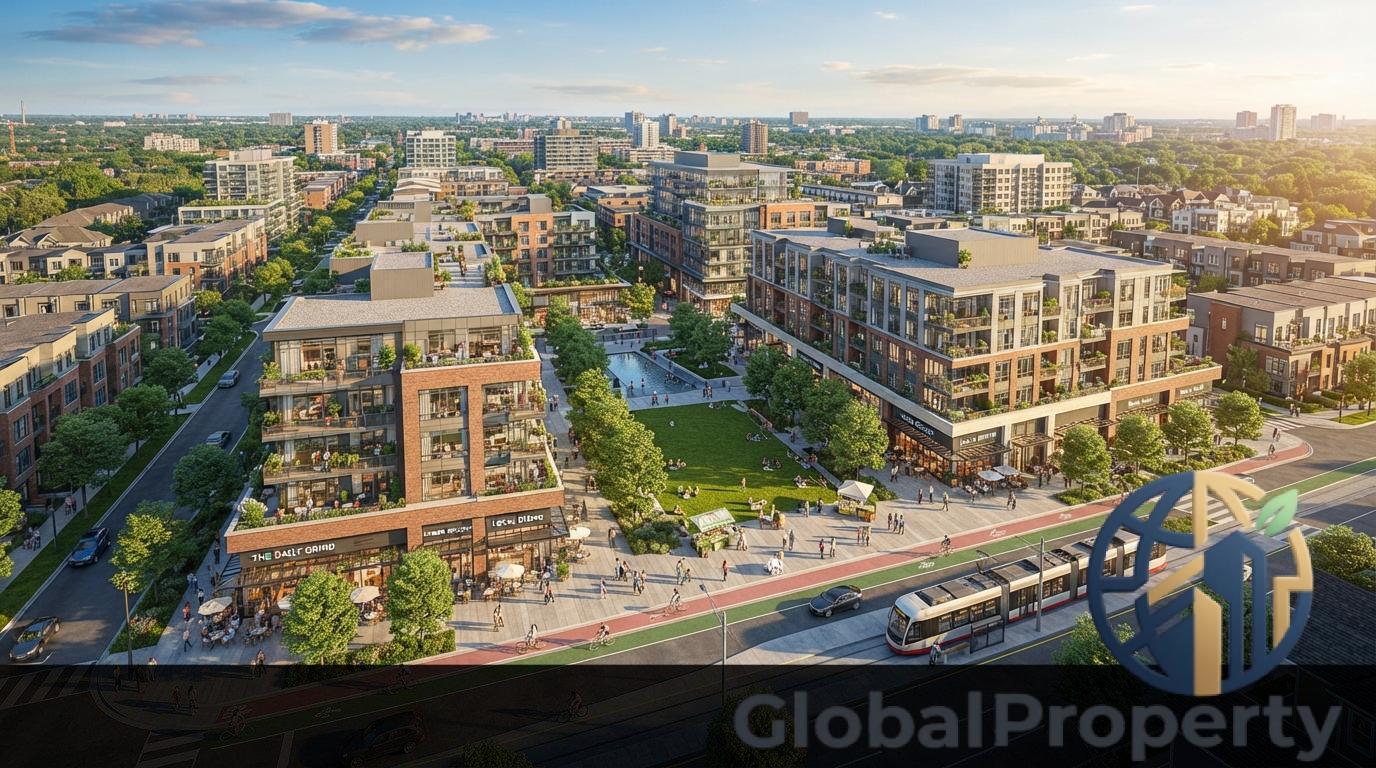
Imagine living in a neighborhood where everything you need is just a stone’s throw away – your office, favorite restaurants, parks, and entertainment options. Sounds like a dream, right? Unfortunately, for many people, this remains just a distant fantasy. The core problem we face today is the lack of self-sustaining neighborhoods, where residents can live, work, and play without having to commute long distances.
Now, let’s delve deeper into the consequences of this issue. Picture yourself spending hours stuck in traffic, rushing from one place to another, missing out on valuable time with your loved ones, all because essential amenities are scattered across the city. The stress, the environmental impact, and the sheer inefficiency of this lifestyle can take a toll on your well-being and quality of life. The frustration of not having a cohesive, mixed-use development where everything is integrated can be overwhelming.
But fear not, there is a solution on the horizon – mixed-use developments. These innovative urban planning projects are transforming the way we live by bringing together residential, commercial, and recreational spaces in one vibrant community. Imagine walking to work, grabbing a coffee at a local cafe, and then unwinding in a nearby park, all within a few minutes’ walk. This holistic approach to neighborhood design not only fosters a sense of community but also promotes sustainability, efficiency, and overall well-being. Join us on this journey as we explore the wonders of mixed-use developments and how they are shaping the future of urban living.
Benefits of Mixed-Use Developments
Mixed-use developments offer a range of benefits that contribute to creating vibrant and sustainable communities. By combining residential, commercial, and recreational spaces within a single area, mixed-use developments promote walkability, reduce the need for long commutes, and foster a sense of community. Residents have access to amenities, shops, and services within walking distance, enhancing convenience and quality of life.
From an economic standpoint, mixed-use developments can increase property values, attract businesses, and stimulate local economies. The diverse mix of uses also provides developers with more flexibility and resilience in adapting to changing market conditions. Additionally, these developments often incorporate green spaces and sustainable design practices, promoting environmental conservation and overall well-being.
Benefits of Mixed-Use Developments
Mixed-use developments offer a myriad of benefits that cater to the modern urban lifestyle. By combining residential, commercial, and recreational spaces within a single project, these developments create vibrant and dynamic communities. Residents can enjoy the convenience of having amenities, shops, and dining options within walking distance, fostering a sense of connectivity and reducing the dependency on cars. From a business perspective, mixed-use developments provide a diverse customer base for retail and dining establishments, leading to increased foot traffic and potential for higher revenues. Additionally, these projects contribute to sustainable urban development by promoting efficient land use and reducing commute times, ultimately improving the overall quality of life for residents.
Planning Considerations
When planning mixed-use developments, several key considerations must be taken into account to ensure the success and sustainability of the project. It is essential to conduct thorough market research to understand the needs and preferences of the target demographic, allowing developers to tailor the mix of residential, commercial, and recreational spaces accordingly. Zoning regulations and land use policies must also be carefully examined to ensure compliance and streamline the approval process. Furthermore, incorporating green spaces, pedestrian-friendly design, and public transportation access can enhance the overall livability and attractiveness of the development. By prioritizing thoughtful planning considerations, developers can create mixed-use projects that not only meet the needs of the community but also contribute positively to the urban landscape.
Design Principles
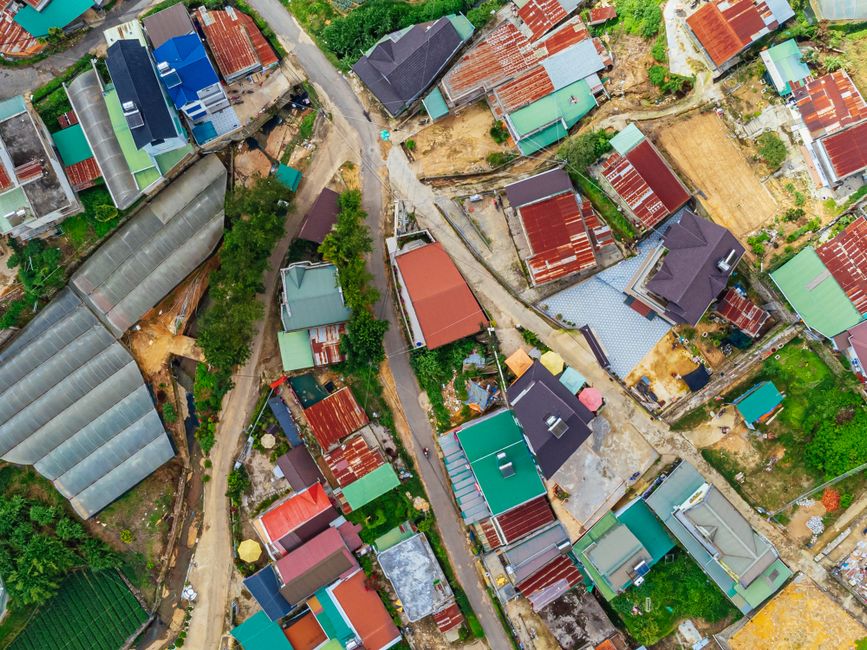
Design principles play a crucial role in the success of mixed-use developments. The design of these spaces should prioritize functionality, aesthetics, and sustainability. Creating a well-thought-out layout that seamlessly integrates commercial, residential, and recreational areas is essential. Architects and urban planners must focus on maximizing natural light, green spaces, and pedestrian-friendly environments to enhance the overall quality of life for residents and visitors. Additionally, incorporating sustainable design practices such as energy-efficient systems, green roofs, and water conservation measures can contribute to the long-term viability of mixed-use developments.
Community Engagement
Community engagement is key to the long-term success of mixed-use developments. Involving local residents, businesses, and stakeholders in the planning and design process fosters a sense of ownership and pride in the development. This can lead to increased support, buy-in, and ultimately, a more vibrant and sustainable community. Hosting community workshops, open houses, and design charrettes can provide valuable feedback and insights that help shape the development in a way that meets the needs and desires of the community. Building strong relationships and partnerships with local organizations and leaders can further strengthen community ties and ensure the success of the mixed-use development in the long run.
Case Studies
Case studies provide real-world examples of successful mixed-use developments, showcasing the benefits and potential challenges that come with such projects. By examining specific cases, stakeholders can gain insights into the design choices, planning considerations, and community engagement strategies that led to positive outcomes. These studies serve as valuable learning tools for developers, planners, and architects looking to create vibrant and sustainable mixed-use spaces.
Community Engagement
Community engagement is a crucial aspect of any mixed-use development project. Involving local residents, businesses, and other stakeholders from the early planning stages fosters a sense of ownership and ensures that the project meets the needs of the community. Effective engagement strategies include public meetings, workshops, surveys, and online platforms for feedback. By actively involving the community in the decision-making process, developers can build trust, address concerns, and create developments that are truly inclusive and responsive to local needs.
Community Engagement
Community engagement is a crucial aspect of any mixed-use development project. By involving the community in the planning and design process, developers can ensure that their project aligns with the needs and preferences of local residents. This can help create a sense of ownership and pride among community members, leading to greater support for the project and long-term success.
Effective community engagement strategies may include hosting public meetings, conducting surveys, and seeking input from key stakeholders. By listening to the concerns and ideas of the community, developers can address potential issues early on and build positive relationships that benefit both the project and the surrounding area.
Conclusion
In conclusion, mixed-use developments offer a dynamic solution to urban planning challenges by combining residential, commercial, and recreational spaces in a single area. The benefits of mixed-use developments are vast, including increased walkability, reduced traffic congestion, and a sense of community. By integrating various amenities within close proximity, these developments create a more sustainable and vibrant environment for residents and visitors alike. As cities continue to grow and evolve, mixed-use developments present a promising model for creating thriving urban spaces that cater to the needs of diverse populations.